
- What was your vision behind your clinic?
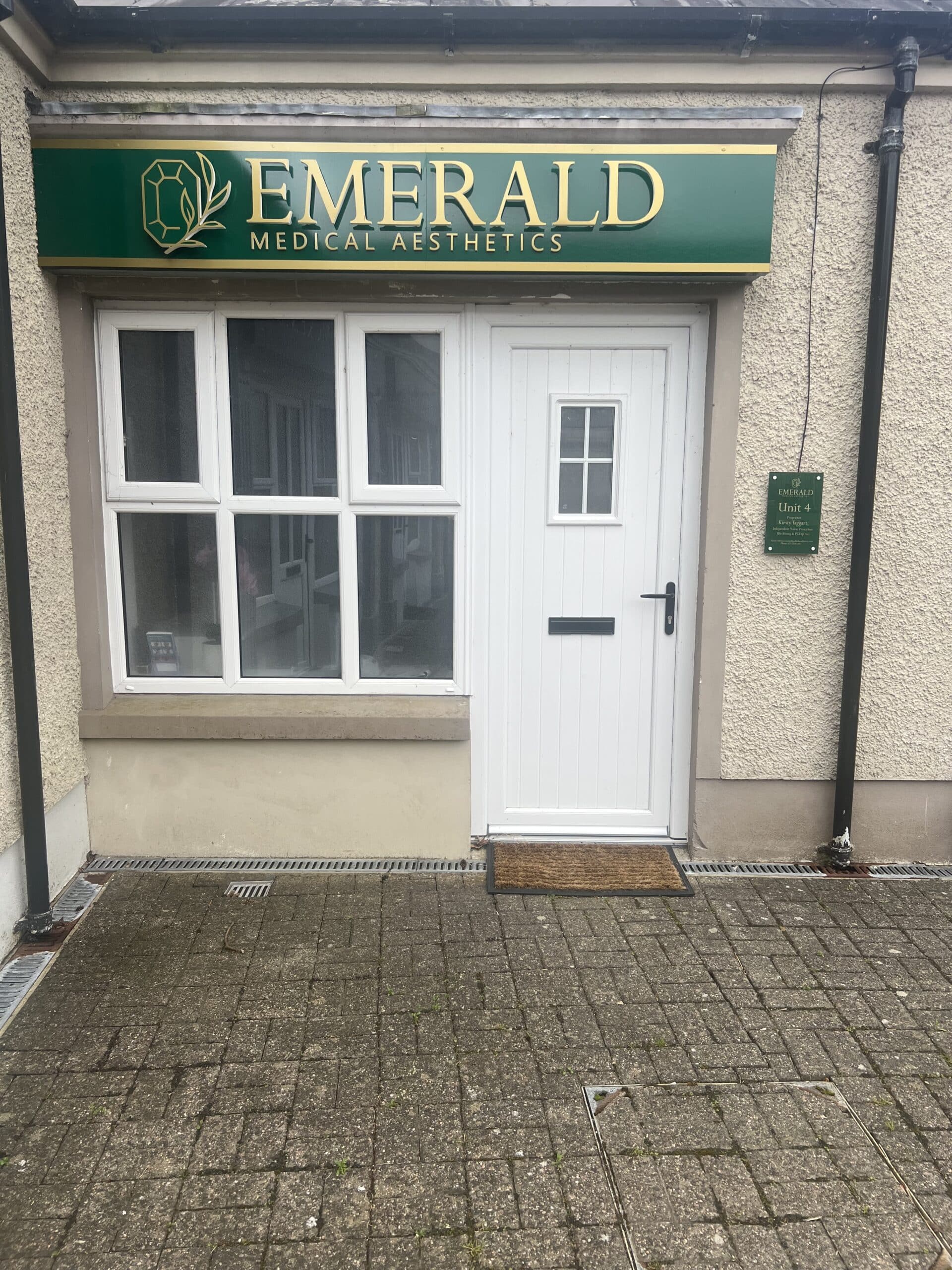
The vision behind my clinic was to create a centre where advanced aesthetic and regenerative medicine
could be delivered to the same standard of care expected in leading London practices, but within the
northwest of Ireland.
Having worked in high-level clinical environments, I recognised a clear gap in access to regulated,
medically led aesthetic services outside of major cities. My aim was to bridge that gap by establishing a
nurse-led clinic grounded in clinical governance, patient safety, and evidence-based practice, while still
offering the level of sophistication typically associated with Harley Street.
Patient safety has always been central to my practice. From the outset, I wanted to build a clinical
environment where patients feel both safe and informed, with robust assessment, appropriate consent
processes, and treatment pathways that prioritise long-term tissue health over trends or over-treatment.
At the same time, I was conscious that aesthetics is also about confidence and wellbeing. My intention
was to create a space where patients could access treatments they genuinely wanted, but within a
medically responsible framework that ensures those treatments are appropriate, ethical, and results-driven.
Ultimately, the clinic was designed to combine high standards of medical care with accessibility, offering
regenerative aesthetics and wellness treatments in a setting that is both clinical and patient-centred.
- What treatments and technologies are you best known for?
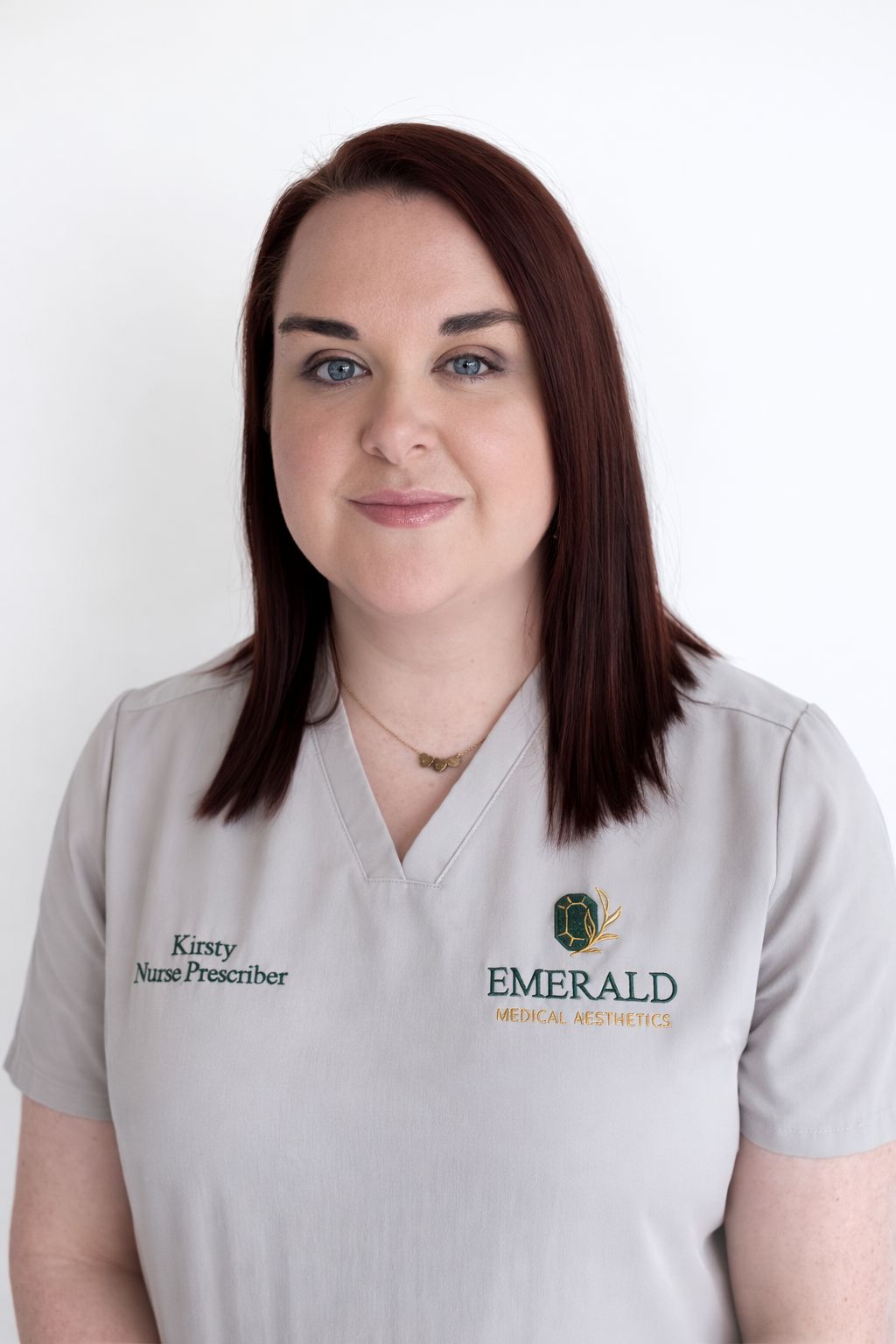
I am best known for being The Princess and the PRP and specialising in platelet-rich plasma (PRP). This
has been a core focus of my clinical practice, academic work, and international teaching for the past 14
years. It is the foundation of my regenerative approach and the area in which I have developed extensive
hands-on clinical experience, alongside continuous refinement of techniques and protocols.
I have developed my own PRP protocols and injection techniques, with specific approaches tailored to
different clinical indications. This includes adapting methodology depending on anatomical region, tissue
response, and desired regenerative outcome, with a strong emphasis on consistency, reproducibility, and
clinical safety.
Alongside my clinical work, I am an international speaker and global key opinion leader in regenerative
aesthetics and orthopaedics. I regularly train medical professionals in PRP delivery, protocol
standardisation, and complication awareness, with a focus on achieving optimal outcomes while
maintaining the highest safety standards.
My academic contribution includes book chapters and peer-reviewed journal publications and monthly
columns, and I remain actively involved in ongoing research within regenerative medicine. A key area of
my work has been the integration of patient safety with regenerative practice, particularly through the
development of structured education around PRP complications. I am also an advisor for Safety in
Aesthetics and have written a framework for nurses. In additon, I have also been part of a JCCP working
group on PRP.
In this regard, I created what is recognised as one of the first dedicated complication-focused courses in
PRP. This programme was designed to ensure practitioners understand not only how to achieve optimal
results, but also how to identify, prevent, and manage rare but clinically significant adverse events. I have
presented this work globally, highlighting that while PRP is a highly effective and generally safe
treatment, complication awareness is essential for best practice and responsible clinical delivery.
PRP remains central to my clinical practice. It is both my speciality and the area in which I have built a
long-standing commitment to advancing technique, safety, and education in regenerative medicine.
- Many people feel nervous before trying aesthetic treatments. What’s the most unusual or heart-warming reaction a patient has had after a session?
Many patients present with understandable anxiety before their first aesthetic or regenerative treatment,
particularly when they have experienced distressing conditions such as hair loss or previous treatment
failure. A large part of my role is creating a calm, structured consultation environment where expectations
are realistic and patients feel fully informed before proceeding.
One of the most memorable responses I have had was from a patient being treated for telogen effluvium
hair loss with PRP. She returned for review after her first treatment and became visibly emotional during
the consultation. She had already begun to notice early regrowth and a reduction in shedding, which for
her represented a significant turning point after a very stressful period.
She became tearful not from discomfort, but from relief. What stood out was not only the clinical
improvement, but the psychological impact of seeing tangible change after a prolonged period of distress
and uncertainty. It reinforced how closely physical and emotional wellbeing are linked in regenerative
medicine, particularly in conditions like hair loss.
Moments like that are a reminder that these treatments are not purely aesthetic in nature. For many
patients, they restore confidence and a sense of control over something that has had a significant impact
on their quality of life. That is often the most meaningful outcome of all.
- What’s the secret to your success?
There is no single “secret,” but rather a consistent clinical discipline that underpins everything I do.
The foundation is patient safety. Every decision is guided by thorough assessment, appropriate indication,
and a clear understanding of risk versus benefit. I have always been deliberate about maintaining high
clinical standards and not being led by trends.
The second factor is specialisation. My focus on PRP and regenerative medicine over many years has
allowed me to refine techniques, develop structured protocols, and build depth of experience in a very
specific area rather than spreading broadly across multiple modalities without mastery.
Education and continuous development are also central. I have invested heavily in advanced training,
international collaboration, academic writing, and teaching, which has kept my practice aligned with
evolving evidence and global best practice.
Finally, it is consistency in outcomes and communication. Patients respond to clarity, honesty, and
realistic expectations. Taking time to educate patients properly, and ensuring they understand both what a treatment can and cannot achieve, has been key to building long-term trust and clinical reputation.
In essence, the success comes from combining rigorous clinical standards with a regenerative philosophy
and a long-term commitment to doing things properly rather than quickly.
- What’s next for your clinic as you look ahead to 2026/2027 and beyond?
Looking ahead to 2026 and 2027, the direction of the clinic is a continued and deliberate expansion into
regenerative and orthobiologic medicine, with a stronger integration of aesthetics, orthopaedics, and
longevity-focused care. This evolution reflects a broader shift in modern medicine towards treating the
patient as a whole, rather than addressing isolated concerns.
The core focus will remain PRP and advanced regenerative therapies, with further refinement of
protocols, indication-specific techniques, and combination treatment pathways. There is a clear movement within the field towards more personalised, biologically driven treatment planning, and the clinic is positioned to actively contribute to that progression through both clinical practice and protocol
development.
A key priority is structured education. I will continue to develop and deliver training programmes for
medical professionals, with a particular emphasis on PRP standardisation, complication recognition and
management, and advanced injection techniques. The aim is to elevate standards across the field by
ensuring practitioners are not only outcome-focused, but also deeply grounded in safety, governance, and reproducibility.
From a clinical perspective, there is a growing emphasis on “inside-out” aesthetic and regenerative
medicine, where skin quality, hormonal status, inflammation, bone health, and musculoskeletal function
are all considered together. The clinic will continue to move in this direction, offering integrated
assessment models and combination therapies that reflect the complexity of ageing and tissue
degeneration.
In parallel, I have transitioned into a multidisciplinary model, working closely with doctors to further
enhance the patient experience and ensure a higher level of clinical depth and continuity of care. A
significant development within this model is the creation of a dedicated orthopaedic and musculoskeletal
clinic to refelct my orthopaedic experience.
This service is designed to be fully integrated and comprehensive, covering all aspects of bone and joint
health, including diagnostic blood testing, ECG assessment where appropriate, osteoporosis screening,
and non-surgical regenerative and interventional treatments. The objective is to provide a complete
pathway from assessment through to management within a single clinical environment, reducing
fragmentation and improving patient outcomes.
Ultimately, the vision is to establish a true one-stop specialist centre for patients in the northwest of
Ireland, Connaught, and beyond. A clinic where advanced diagnostics, regenerative medicine, aesthetics,
and orthopaedics coexist within a structured, medically led framework, and where care is defined by
clinical rigour, collaboration, and continuity.
Alongside this, research remains central to the long-term strategy, particularly in PRP optimisation,
clinical outcomes, and complication awareness, with the aim of contributing to a more structured and
evidence-informed global approach to regenerative medicine.