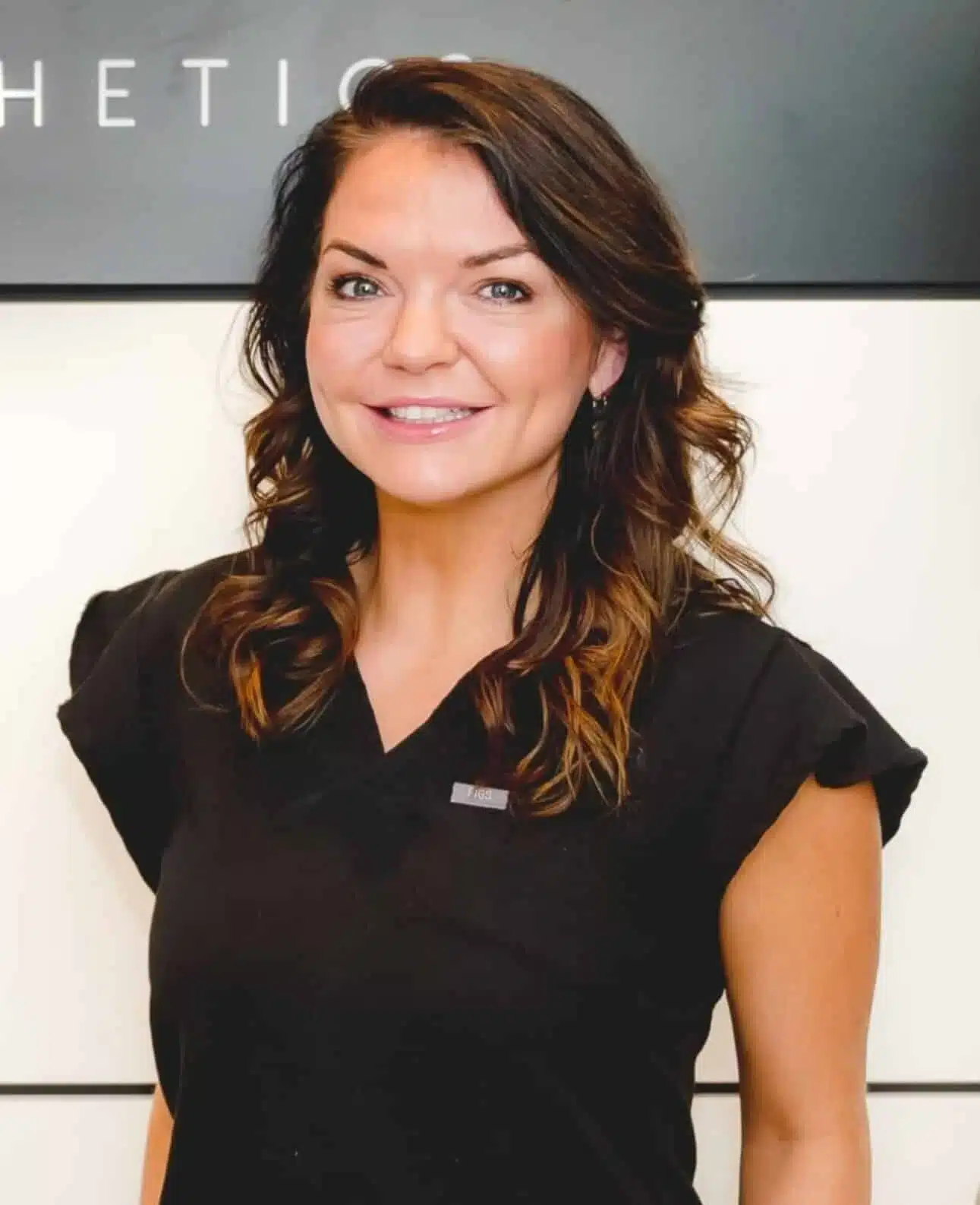
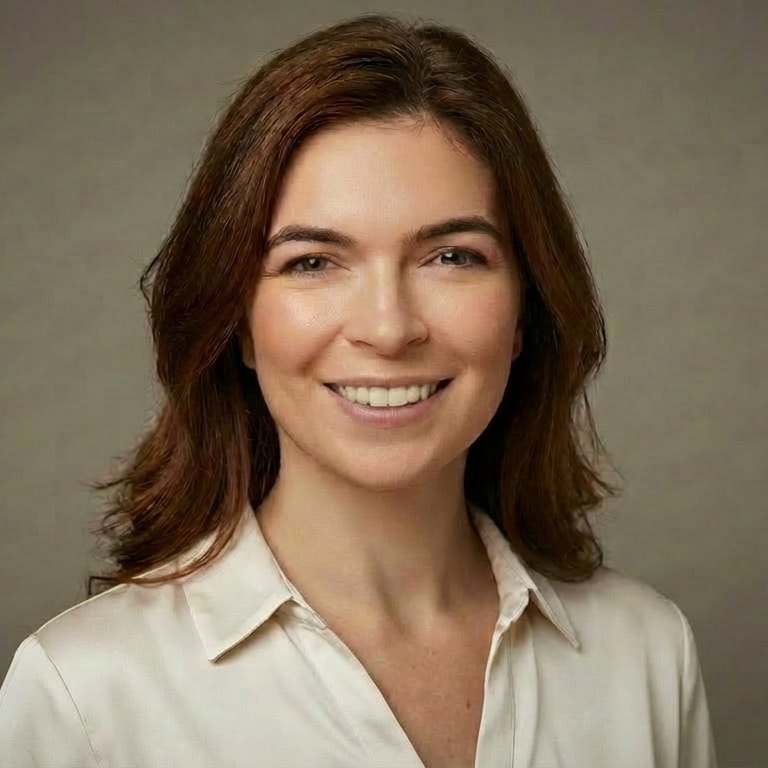

For this month’s Practitioner of the Month, we feature Claudia McGloin, a clinician whose career reflects both resilience and innovation in modern aesthetics. With a background in orthopaedics and over 16 years’ experience, she has built a nurse-led practice that bridges aesthetics and regenerative medicine.
In this Q&A, Claudia shares her journey into the field, her approach to patient care, and her insights into the future of aesthetics.
What inspired you to enter the field of aesthetics? Tell me about your journey as a practitioner.
My journey into aesthetics began during a particularly challenging period in my career. I was working as an Advanced Orthopaedic Nurse Practitioner in London when I underwent a major spinal procedure.
Unfortunately, the outcome was complicated, and I required further surgery due to clinical negligence. I was off work for over 12 months, and despite my experience and commitment, the NHS was unable to make the necessary adaptations to support my return.
At that point, I made a deliberate decision not to step away from nursing. I was not prepared to retire on medical grounds, and instead began exploring alternative pathways where I could continue to practise in a meaningful and clinically focused way. Medical aesthetics provided that opportunity.
Sixteen years ago, I enrolled in a combined botulinum toxin and dermal filler course. That decision marked a turning point, and I have remained in the field ever since. Shortly afterwards, I returned to Ireland and established my own clinic.
Building a nurse-led practice in Sligo was a significant milestone. It gave me the autonomy to develop a service grounded in clinical governance, evidence-based practice, and patient-centred care. Over time, my work evolved beyond traditional aesthetics into regenerative medicine and orthopaedics, reflecting my original clinical background and a broader vision for the field.
Today, my practice sits at the intersection of aesthetics and regenerative medicine. My focus is not solely on appearance, but on restoring function, improving tissue quality, and delivering outcomes that are both clinically robust and sustainable. This philosophy underpins not only my clinical work, but also my roles in education, mentorship, and advancing standards within the profession.
What is the most rewarding part about working in aesthetics?
The most rewarding aspect of working in aesthetics is the diversity it brings to daily practice. No two patients are the same, and no two treatment plans are identical, which keeps the work clinically engaging and continuously evolving.
I also value the fact that, in aesthetics, patients are generally well and are seeking to enhance their overall wellbeing rather than address acute illness. This creates a more proactive and collaborative dynamic, where the focus is on optimisation, prevention, and confidence rather than disease alone.
There is a strong sense of satisfaction in delivering subtle, natural results that improve not just appearance, but how a patient feels about themselves. When combined with a regenerative approach, the work goes beyond aesthetics into improving tissue quality and supporting long-term skin and structural health, which makes the outcomes even more meaningful.
Do you recall any particular client stories that stand out as moving or memorable?
I have many memorable patient experiences over the years, but one that stands out was during my time in London when I was being interviewed for a magazine alongside Dr Daniel Sister, who is both a mentor and a close friend.
Daniel had sustained an elbow fracture a few weeks prior, and during the interview he asked me somewhat spontaneously if I would perform a PRP treatment on his elbow there and then. The
interviewer was delighted to see the treatment being demonstrated in real time, and at one point laughed when I mentioned that I had previously worked as a plumber and that this was, in fact, my first time performing that specific treatment. That comment ended up being included in the published article, which made the moment even more memorable, especially as I had been doing this for years.
Also, we were discussing our co-creation of Rejuvula. A treatment we created for women experiencing sexual dysfunction and those going through menopause, so to see it being used in other ways was good for the interview as we also use this for menopausal frozen shoulder.
What really stood out for me was what happened afterwards. I flew back to Ireland the next day, and that evening I received a call from Daniel saying he had already noticed a significant improvement. He reported improved mobility in an elbow that had previously been stiff and “locked,” which was a very powerful early validation of what PRP can achieve in the right clinical context. Experiences like that reinforced my confidence in regenerative medicine and its potential across both aesthetic and orthopaedic indications. It was a defining moment in my early journey with PRP and remains a strong example of how impactful these treatments can be when applied appropriately.
Which aesthetics trends do you see emerging in 2026/2027, and how are you, as a practitioner planning to stay ahead?
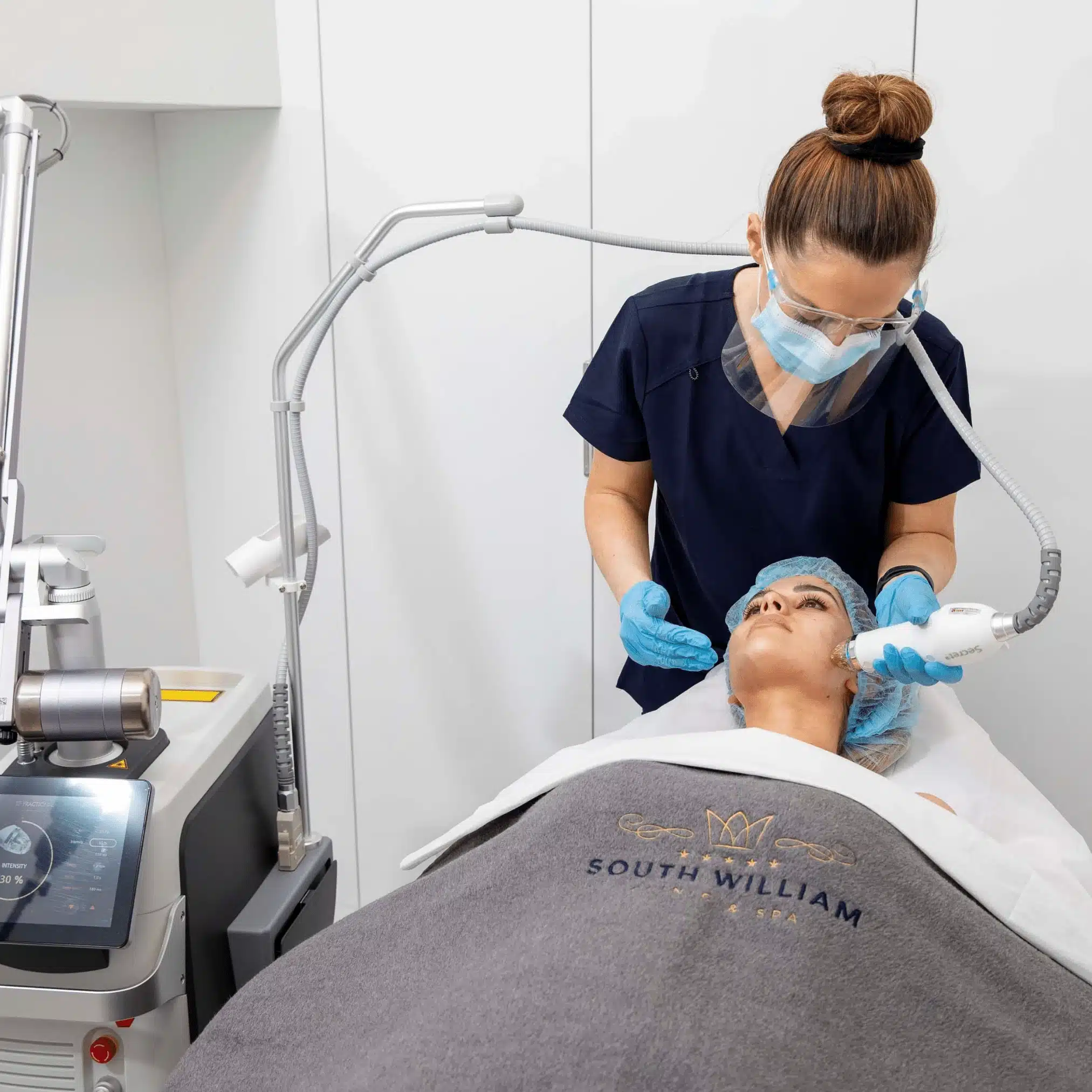
Aesthetic trends for 2026 and 2027 are clearly moving towards regenerative aesthetics and a more holistic concept of wellness. There is a significant shift away from traditional “anti-ageing” approaches towards longevity, skin health, and working with the body’s own biology to achieve results. Treatments such as PRP, polynucleotides, biostimulators and exosome-based therapies are becoming central, as patients increasingly prioritise long-term tissue quality over short-term correction.
At the same time, we are seeing a strong move towards natural, subtle outcomes. The demand for overfilled or over-corrected results has declined significantly, replaced by what is often described as undetectable aesthetics. Patients are seeking refinement rather than transformation, healthier skin, improved texture, and a more rested appearance while maintaining individuality and facial movement.
The majority of my patients are now far more informed and are actively requesting treatments that support skin quality, collagen stimulation, and overall wellness. There is also a growing expectation for personalised treatment plans, often supported by advanced diagnostics or technology, rather than a one-size-fits-all approach.
Looking ahead, aesthetics will continue to integrate more closely with medicine. We are moving towards an “inside-out” model, where factors such as hormonal health, nutrition, and inflammation are considered alongside injectable and device-based treatments. Combination therapies and treatment stacking will become standard practice, delivering more comprehensive and sustainable outcomes.
How do you help clients decide which treatment is right for them?
My approach is fundamentally clinical and consultation-led. I do not start with a treatment; I start with the patient. Every decision is guided by a structured assessment of their concerns, medical history, lifestyle factors, and most importantly, their underlying tissue quality and biological age rather than chronological age alone. I work on a 360 degree approach to health and wellness. Regardless of what thy come in for, we always discuss gut health and nutrition.
During consultation, I take time to understand what the patient is hoping to achieve, but also what is clinically appropriate and safe. I perform a detailed facial or anatomical assessment where relevant, and I look for contributing factors such as inflammation, volume loss, skin integrity, hormonal influences, or evidence of systemic contributors such as nutritional deficiency or stress-related shedding in hair loss cases.
From there, I build a treatment plan based on indication, not trend. Some patients are best suited to regenerative approaches such as PRP or polynucleotides, others may benefit from a combination of regenerative and structural treatments, and in some cases, conservative or no intervention is the most appropriate option.
Education is also central to this process. I ensure patients understand the rationale behind each recommendation, including expected outcomes, timelines, and limitations. This allows for informed consent and realistic expectations, which is essential in achieving good long-term results.
Ultimately, my goal is to create personalised, evidence-informed treatment plans that prioritise safety, natural outcomes, and long-term tissue health rather than short-term correction.