



Global Study Reveals What Really Drives Aesthetic Patients
A study published in the Aesthetic Surgery Journal found that confidence, self-expression and self-care – not simply the…


South Korea has become almost synonymous with advanced skin treatments. It is widely recognised as being around 10 to 12 years ahead of the UK in terms of innovation, ingredients and techniques.
At the 2026 British College of Aesthetic Medicine Conference, Dr Christine Hall offered a compelling perspective on where aesthetic medicine is heading, drawing on South Korea as both a source of inspiration and a cautionary example.
K-beauty is no longer niche. It is moving into mainstream retail, with major stores expanding their offerings and Korean brands entering the market at a pace. The sector is expected to grow significantly over the next decade, reflecting both consumer demand and clinical interest.
Dr Hall highlighted that South Korea’s approach to aesthetics is fundamentally different. It is centred on prevention and regeneration rather than correction. Patients often begin treatments in their 20s, aiming to maintain skin quality over time rather than reverse visible ageing later. While this approach raises questions around long-term impact and societal expectations, it has undeniably shaped a generation of patients who age more gradually and subtly.
At the same time, she acknowledged the pressures that come with this culture. South Korea has one of the highest rates of cosmetic procedures globally, alongside growing social movements that challenge beauty standards. The “Escape the Corset” movement, where women reject makeup and aesthetic treatments altogether, reflects a wider conversation about identity and expectation. It is a reminder that innovation does not exist in isolation.
For UK and Irish practitioners, the opportunity lies in learning from South Korea’s advancements while maintaining a balanced and ethical approach.
Three Treatments Defining the Korean Market
Rather than focusing on brands, Dr Hall emphasised techniques that reflect the broader shift in aesthetic medicine.
Liquid microneedling
An evolution of traditional microneedling, this technique uses microspicules derived from materials such as silica or marine sponge. These microscopic structures deliver active ingredients deeper into the skin while also stimulating collagen through controlled micro-injury.
The result is improved absorption of ingredients and visible changes in pigmentation, texture and tone, often with minimal downtime. The treatment is widely used in clinics across South Korea and is increasingly available in at-home formats.
Microtox
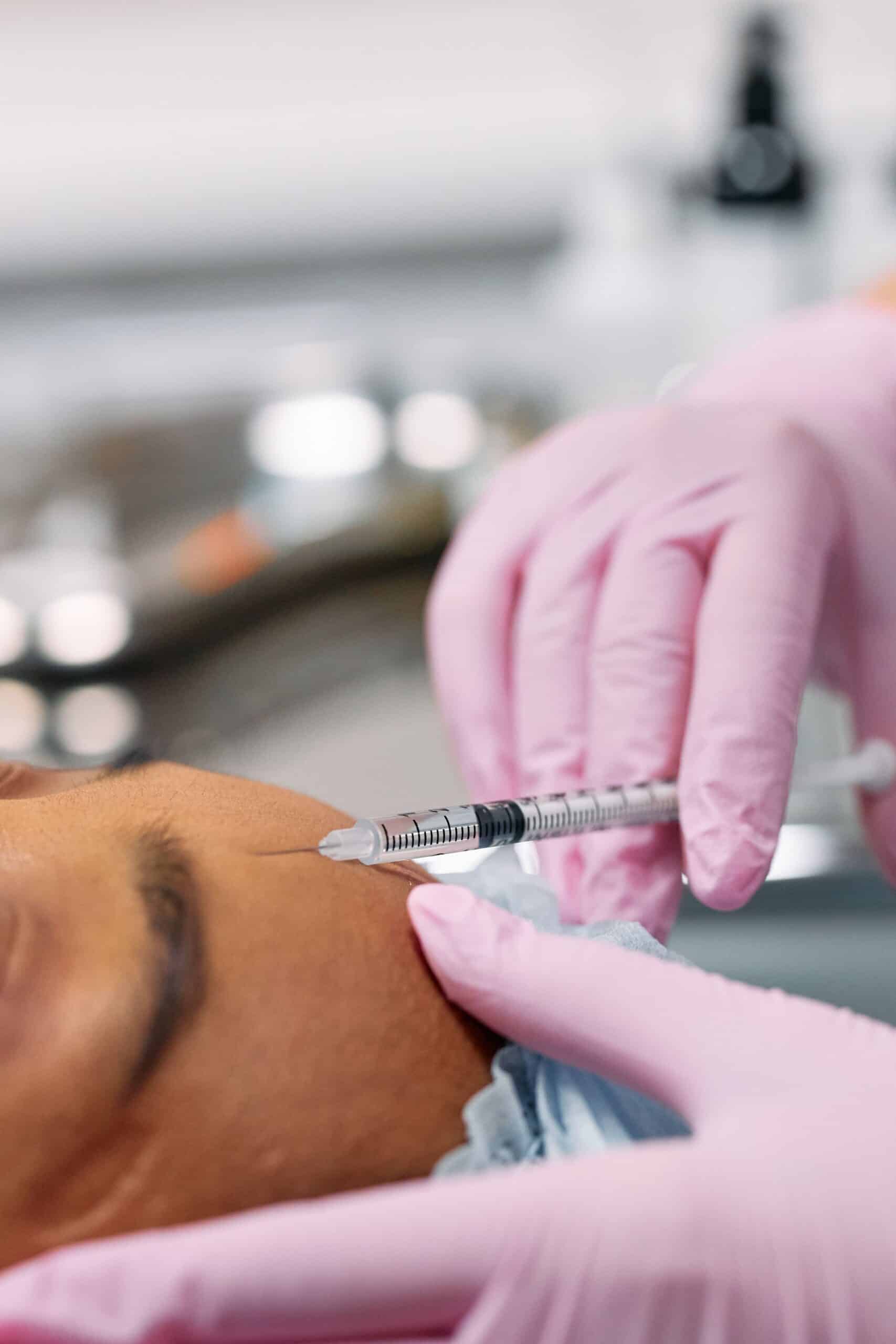
Microtox involves the superficial placement of botulinum toxin within the dermis rather than the muscle. The effect is subtle. Instead of freezing movement, it refines the skin’s surface, creating the smooth, luminous finish often described as “glass skin.”
It also has functional benefits. By acting within the dermal layer, it can reduce oil production, improve acne, minimise pore appearance and help with redness in conditions such as rosacea. It is also being used on areas like the neck and jawline to improve texture and create a mild lifting effect.
Treatments typically need to be repeated every few months, but they are popular for both maintenance and event preparation.
Onda
Onda represents a growing shift towards body-focused aesthetics. Using microwave technology, it targets both fat reduction and skin tightening, two concerns that are often difficult to address simultaneously.
This reflects a broader change in patient priorities. Aesthetic medicine is no longer limited to the face. There is increasing demand for treatments that address the neck, hands and body, with a focus on overall skin quality and contour.
What This Means for the UK and Ireland
Dr Hall’s key message was that this is not a passing trend. The influence of South Korea on global aesthetics is set to continue, supported by strong consumer demand and ongoing innovation.
Several themes are already emerging in UK and Irish practice. These include combining treatments for better outcomes, focusing on biostimulation and regeneration, and prioritising treatments with minimal downtime. There is also a growing emphasis on prevention, although this is being approached more cautiously.
At the same time, the importance of safety, regulation and patient selection remains central. As treatments become more advanced and widely available, maintaining high standards of care is essential.
A Future Shaped by Balance
South Korea offers a glimpse into the future of aesthetics, but it also highlights the need for perspective. The UK is in a position to adopt the most effective elements of this approach while avoiding some of the pressures that have emerged alongside it.
The direction of travel is clear. Aesthetic medicine is moving towards subtle, regenerative treatments that support long-term skin health. The challenge will be to ensure that this progress remains grounded in patient wellbeing.
Dr Hall concluded that the future is not about doing more. It is about doing better, with intention, evidence, and balance at the centre of every decision.
Gain full access to peer-reviewed protocols, our extensive digital archive, and the Tri-annual print edition delivered to your clinic.
£
250
Per Year
Subscribe
Auto-renews annually. Cancel anytime.
Subscribe to our newsletter for the latest insights from the aesthetics industry.
Subscribe NowA study published in the Aesthetic Surgery Journal found that confidence, self-expression and self-care – not simply the…

BTL Ireland has officially opened its new headquarters in Dublin, marking a significant investment in the company’s continued…
A new clinical governance initiative has been developed by ACE Group World to help enhance emergency preparedness in…

The British Association of Medical Aesthetic Nurses (BAMAN) has welcomed the UK Government’s Call for Evidence on proposals…

Skincare brand CellDerma has announced a new distribution partnership with Church Pharmacy, strengthening the brand’s presence across the…

Leading pharmaceutical company Allergan Aesthetics, an AbbVie company, has announced that they have received approval from the European…

Leading Aesthetics distributor, Healthxchange, has been appointed the new UK and Ireland distributor for the Jeisys POTENZA Advanced…
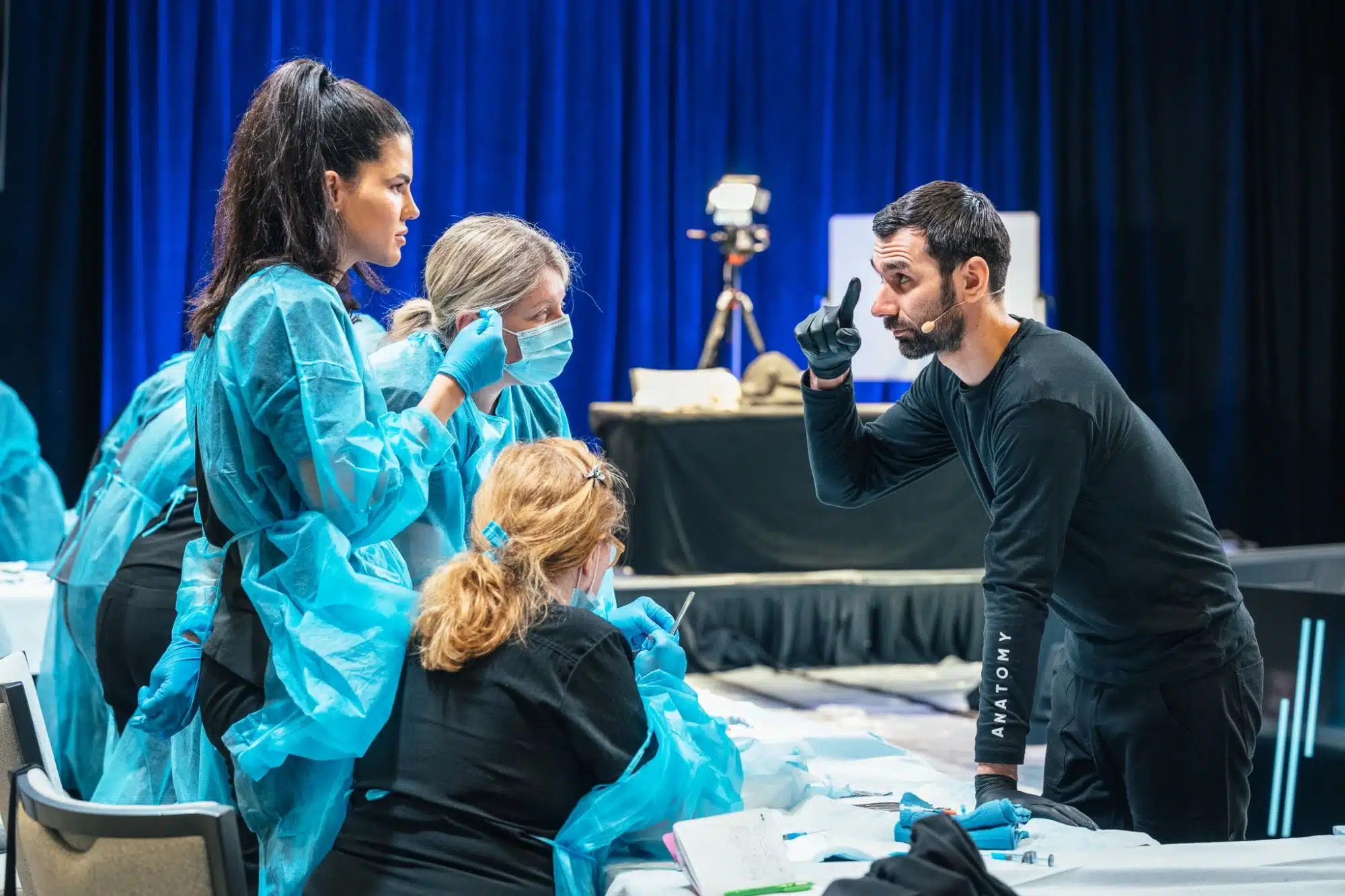
British Association of Medical Aesthetic Nurses (BAMAN) has announced the return of its flagship cadaveric anatomy programme this…

The Regenerative Aesthetics Multidisciplinary Conference & Exhibition (RAMCE) is set to return for a day full of dedicated regenerative…

Clinical-stage biotechnology company Absci has announced positive interim results from the Phase 1 HEADLINE™ clinical trial an investigational…