


Roseway Labs and Mast Cell Action Unite to Advance MCAS Education
Leading UK compounding pharmacy Roseway Labs has officially announced a strategic partnership with Mast Cell Action, a UK-based…


Emerging data is shedding new light on the aesthetic changes increasingly observed in patients undergoing medication-driven weight loss.
Interim results from an Investigator-Initiated Trial (IIT), led by US-based cosmetic dermatologist Dr. Sabrina Fabi, suggest that these changes may help explain the volume loss and skin quality concerns frequently reported by clinicians.
The study evaluated 20 female patients presenting with mild-to-moderate abdominal skin laxity following prescription weight loss treatments. Findings revealed a statistically significant, fourfold reduction in adipose-derived stem cells (ADSCs) – a key regenerative cell population responsible for maintaining healthy fat tissue. Notably, fibroblast levels remained preserved.
This shift in cellular composition provides a potential biological explanation for why some patients experience aesthetic changes that appear disproportionate to weight loss alone. It also highlights a distinction between medication-related changes and those associated with natural ageing.
“Many people experiencing medication-driven weight loss report aesthetic changes that seem disproportionate to weight loss alone, and until now, we haven’t fully understood why,” said Dr. Fabi. “By clarifying the biological underpinnings, we can better guide treatment planning.”
The findings are expected to influence how practitioners approach treatment strategies, with increasing emphasis on regenerative solutions that address not only volume loss but also the skin’s underlying structural integrity.
According to the data, treatments that stimulate adipose tissue and support regenerative processes may play a critical role in restoring healthy-looking skin. This includes biostimulatory injectables such as Sculptra, which has more than 25 years of clinical use and works by activating collagen, elastin and adipose tissue regeneration across multiple skin layers.
Developed by Galderma, Sculptra utilises a poly-L-lactic acid (PLLA-SCA™) formulation designed to gradually improve skin quality, firmness and volume over time. The product has evolved into a versatile treatment option for both face and body, particularly in patients experiencing structural changes linked to weight loss.
The study’s findings underscore a broader shift within aesthetic medicine towards more holistic, regenerative approaches—particularly as demand grows among patients undergoing significant weight reduction, including those using prescription therapies.
Industry experts suggest that integrating regenerative treatments into weight loss journeys could help clinicians better manage patient expectations and outcomes, ensuring a more balanced and natural-looking result.
The research also reflects ongoing investment in independent scientific studies aimed at addressing emerging patient needs, including aesthetic changes associated with menopause and medication-driven weight loss.
As further data becomes available, clinicians are expected to refine treatment protocols, placing greater emphasis on personalised, evidence-based approaches that address both surface-level concerns and deeper tissue health.
Gain full access to peer-reviewed protocols, our extensive digital archive, and the Tri-annual print edition delivered to your clinic.
£
250
Per Year
Subscribe
Auto-renews annually. Cancel anytime.
Subscribe to our newsletter for the latest insights from the aesthetics industry.
Subscribe NowLeading UK compounding pharmacy Roseway Labs has officially announced a strategic partnership with Mast Cell Action, a UK-based…

In this article, Dr Rhead – an NHS doctor who has transitioned into medical aesthetics – examines the…
The Irish Government has said regulation of dermal fillers will be a “priority focus in the months ahead”,…
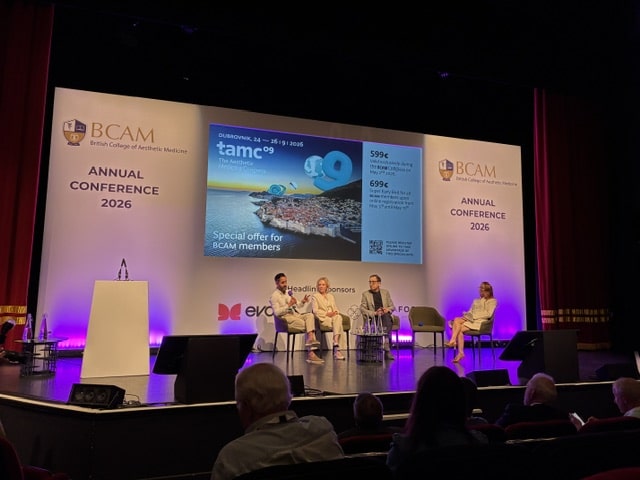
Over 100 aesthetics practitioners attended the British College of Aesthetic Medicine’s 2026 annual conference, enjoying a full day…

South Korea has become almost synonymous with advanced skin treatments. It is widely recognised as being around 10…

A “well-known” doctor and former clinic owner has been suspended by the General Medical Council for 18 months.…
Candela Medical UK and Ireland have announced they are the headline sponsors for the British Medical Laser Association…
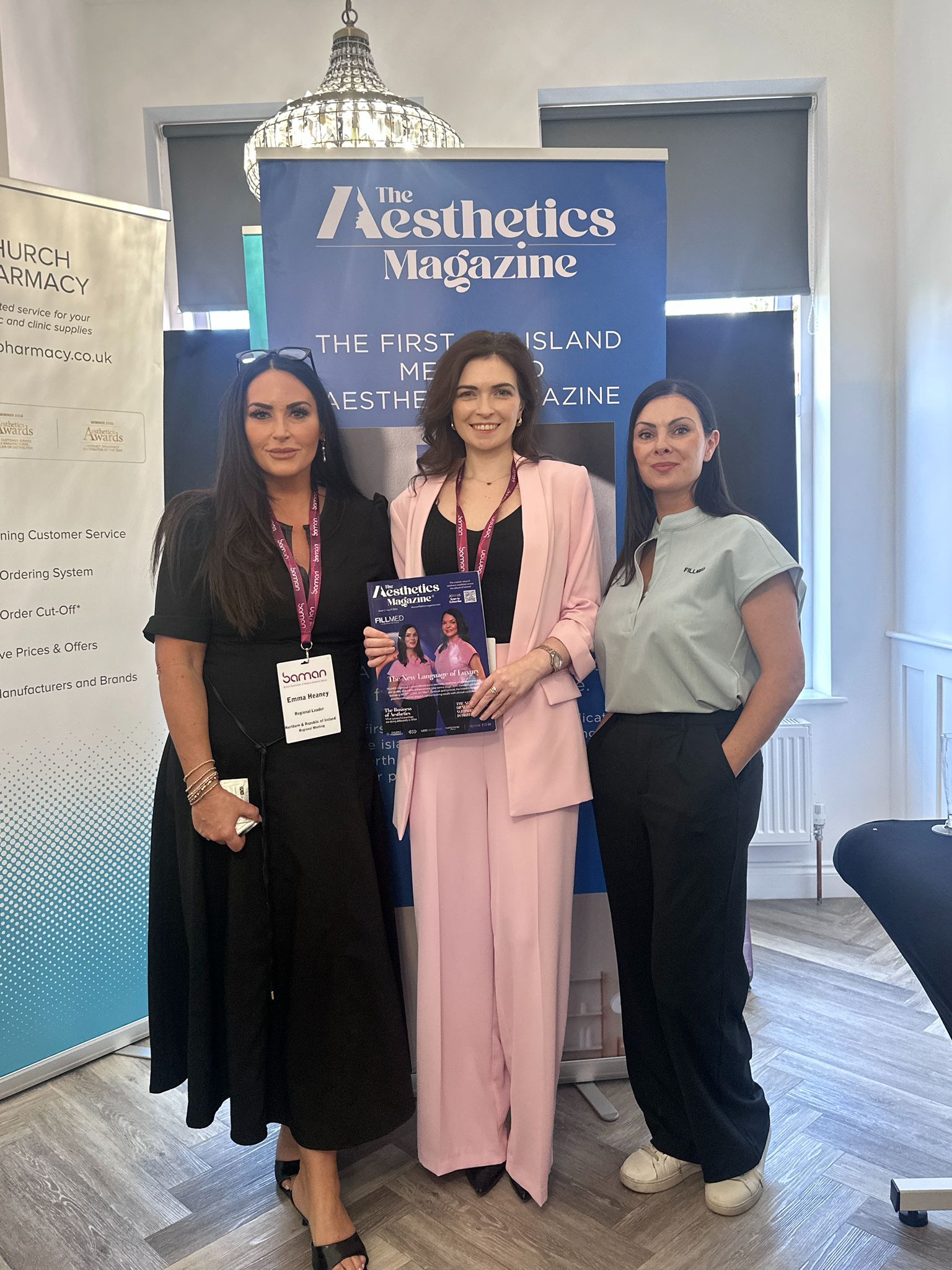
Dozens of aesthetic nurses gathered on Saturday, April 25, for the BAMAN Northern Ireland regional meeting, held at…
Medik8 Launches New Exo PDRN Prismatic+ Pro Concentrate for Clinics Professional skincare brand Medik8 has introduced its latest…

Amanda Cameron on the Birth of Modern AestheticsThis series follows some of the earliest practitioners and pioneers in…