



Global Study Reveals What Really Drives Aesthetic Patients
A study published in the Aesthetic Surgery Journal found that confidence, self-expression and self-care – not simply the…

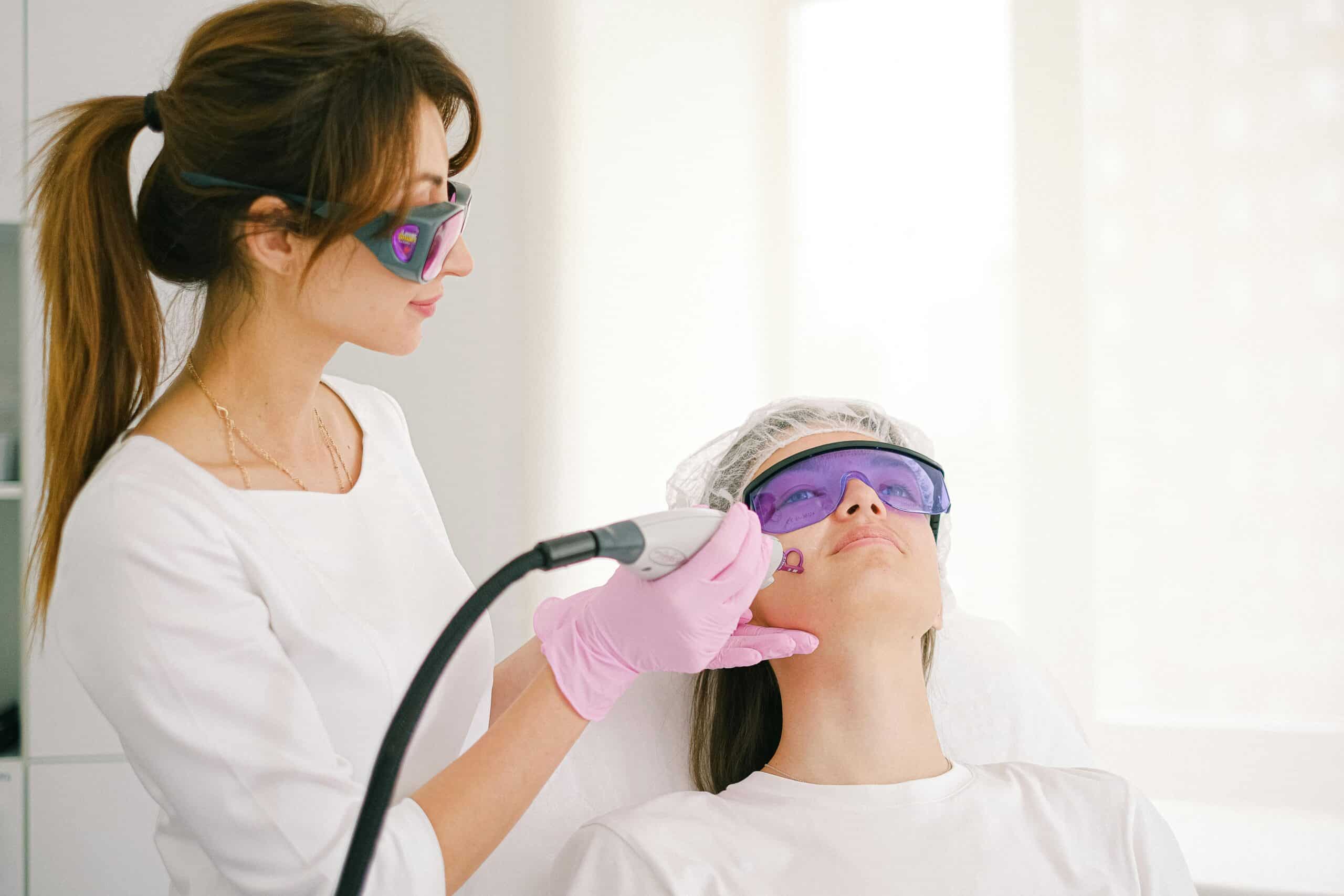
In this article, Dr Rhead – an NHS doctor who has transitioned into medical aesthetics – examines the often-misrepresented realities of entering and practising within the field.
Drawing on her dual perspective as both a clinician in public healthcare and an aesthetic practitioner, she explores the gap between the industry’s external image and the demands of responsible practice.
Medical aesthetics is frequently portrayed as an accessible and highly lucrative field, characterised by flexible working hours, visually appealing clinical environments, a strong social media presence, and substantial financial return. The perceived pathway to entry is often simplified by completion of a short course, acquisition of basic equipment, and establishment of an online platform. However, this representation does not accurately reflect the realities of responsible clinical practice.
For practitioners committed to ethical, safe, and sustainable care, medical aesthetics is a complex and demanding specialty. While it can be creative, dynamic, and professionally fulfilling, it should not be regarded as a source of “easy money.”
Training provides a useful starting point for examining this misconception. Foundational courses, by definition, offer only an introduction to practice. Competent and responsible delivery of aesthetic treatments requires ongoing and substantial investment in education. This includes advanced anatomical study, complication recognition and management, cadaver-based training, attendance at professional conferences, and engagement in mentorship and peer review. The field evolves rapidly, with continual developments in techniques, products, and evidence-based protocols. Maintaining up-to-date knowledge is therefore not optional but essential to ensure patient safety.
Beyond clinical training, there are significant infrastructural and operational requirements. Safe practice necessitates the use of high-quality, regulated products, alongside access to emergency medications and appropriate resuscitation equipment. Practitioners must also implement compliant systems for clinical waste disposal, temperature-controlled storage, and infection control. Professional indemnity insurance must accurately reflect the risks associated with elective injectable procedures. In addition, there are broader business considerations, including regulatory compliance of premises, utilities, appointment systems, financial management, and digital presence. These elements, while largely invisible to patients, form the foundation of safe and professional care.
Another often-overlooked aspect is the cognitive and emotional demand associated with aesthetic practice. Delivering treatments requires a high degree of precision, situational awareness, and clinical judgement. Each patient presents with unique anatomical and psychological considerations, necessitating individualised treatment planning. Even for experienced practitioners, an awareness of potential complications remains constant. This sustained vigilance is necessary for maintaining high standards, but it contributes to a significant mental workload.
For many clinicians, aesthetic practice is undertaken alongside other professional responsibilities, such as work within public healthcare systems. Balancing these roles requires adaptability, as practitioners transition between acute medical care and elective aesthetic procedures. When combined with personal commitments, this further challenges the perception of aesthetics as a low-effort career pathway.
Despite these demands, medical aesthetics remains a highly rewarding field. It offers the opportunity to integrate scientific knowledge with technical skill and aesthetic judgement. Practitioners can support patients in achieving outcomes that enhance confidence and wellbeing. Additionally, the field allows for a degree of professional autonomy and the ability to develop a practice aligned with individual values and standards.
Financial viability is achievable within medical aesthetics, but it is typically the result of sustained effort, investment, and adherence to high clinical standards. It is most appropriately understood as a medical discipline first and a business second.
The notion of “easy money” does not align with the realities of ethical practice. Importantly, this is a positive attribute of the field, as it reinforces the prioritisation of patient safety and professional integrity.
Gain full access to peer-reviewed protocols, our extensive digital archive, and the Tri-annual print edition delivered to your clinic.
£
250
Per Year
Subscribe
Auto-renews annually. Cancel anytime.
Subscribe to our newsletter for the latest insights from the aesthetics industry.
Subscribe NowA study published in the Aesthetic Surgery Journal found that confidence, self-expression and self-care – not simply the…

BTL Ireland has officially opened its new headquarters in Dublin, marking a significant investment in the company’s continued…
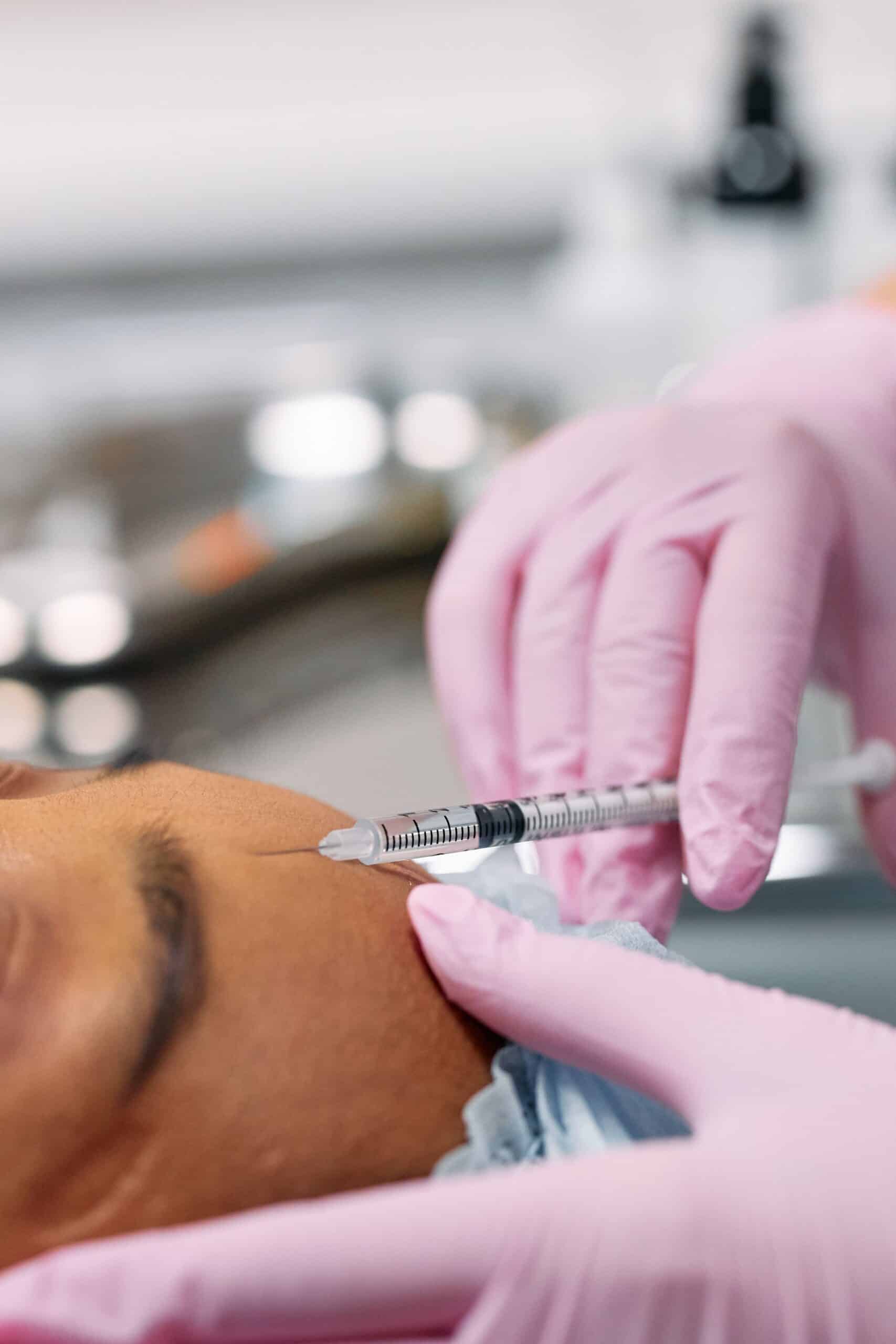
A new clinical governance initiative has been developed by ACE Group World to help enhance emergency preparedness in…

The British Association of Medical Aesthetic Nurses (BAMAN) has welcomed the UK Government’s Call for Evidence on proposals…

Skincare brand CellDerma has announced a new distribution partnership with Church Pharmacy, strengthening the brand’s presence across the…

Leading pharmaceutical company Allergan Aesthetics, an AbbVie company, has announced that they have received approval from the European…
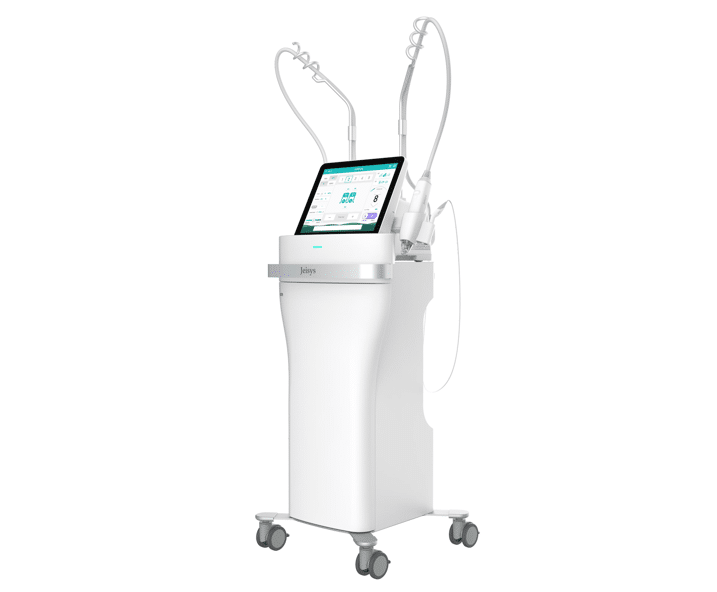
Leading Aesthetics distributor, Healthxchange, has been appointed the new UK and Ireland distributor for the Jeisys POTENZA Advanced…
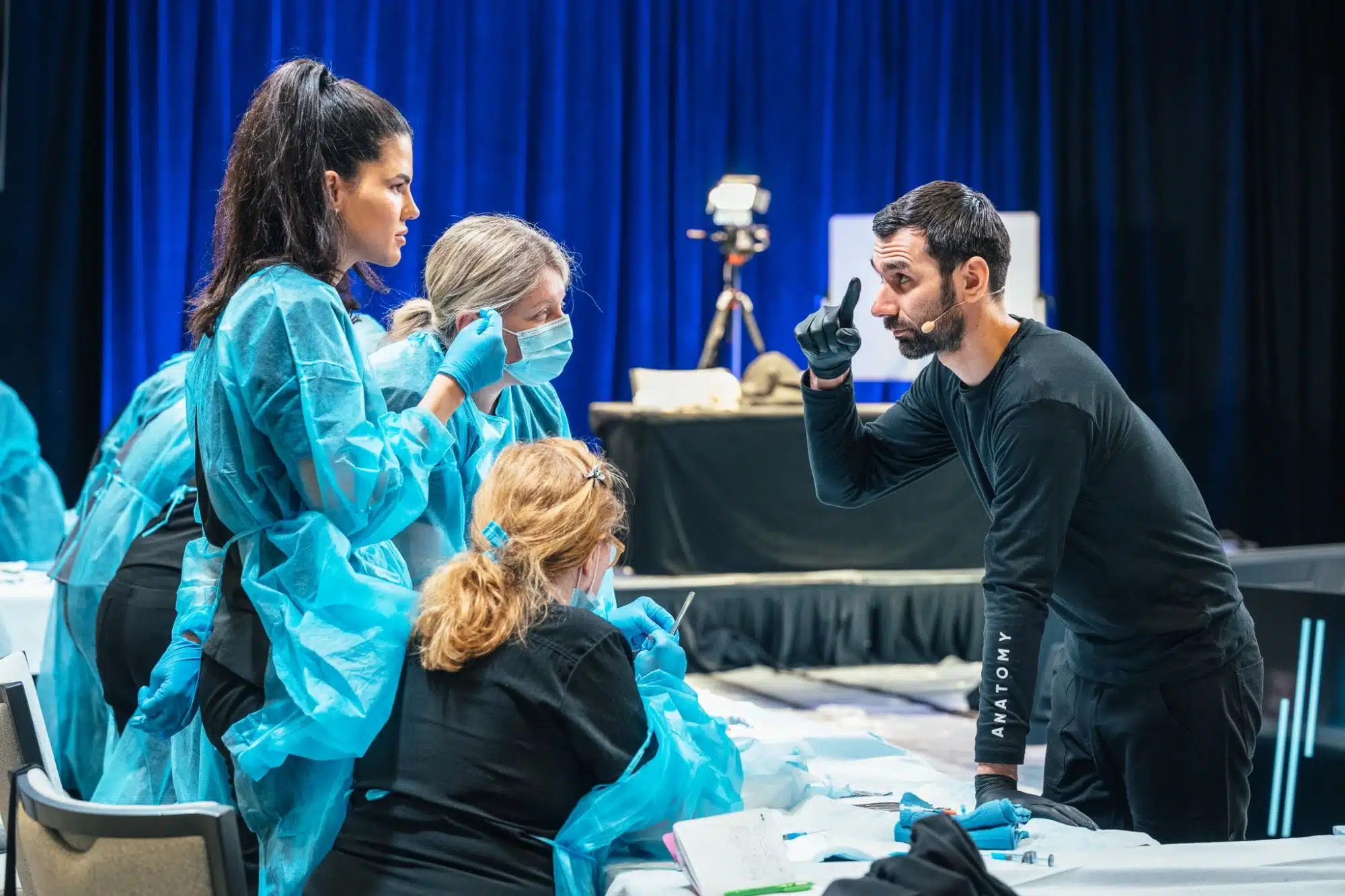
British Association of Medical Aesthetic Nurses (BAMAN) has announced the return of its flagship cadaveric anatomy programme this…

The Regenerative Aesthetics Multidisciplinary Conference & Exhibition (RAMCE) is set to return for a day full of dedicated regenerative…

Clinical-stage biotechnology company Absci has announced positive interim results from the Phase 1 HEADLINE™ clinical trial an investigational…