

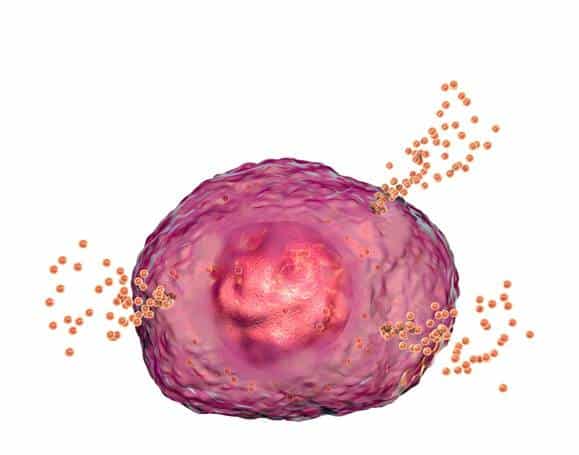
Roseway Labs and Mast Cell Action Unite to Advance MCAS Education
Leading UK compounding pharmacy Roseway Labs has officially announced a strategic partnership with Mast Cell Action, a UK-based…

Amanda Cameron on the Birth of Modern Aesthetics
This series follows some of the earliest practitioners and pioneers in medical aesthetics, offering a unique insight into how the industry has evolved and changed over the past 30 years.
Nurse, trainer and industry consultant Amanda Cameron reflects on entering medical aesthetics at its inception, from the era of bovine collagen and Harley Street exclusivity to the sophisticated, fast-
evolving specialty we know today.
Few professionals can claim to have witnessed the aesthetics industry from its earliest beginnings quite like Amanda Cameron. A nurse by training, with a background in pharmaceutical sales, Cameron entered
medical aesthetics in 1990 almost by chance – joining Collagen Corporation, the first dermal filler company in the UK. She quickly
advanced at Collagen Corporation, ultimately serving as European
Vice President, a role she held for many years.
More than three decades later, she reflects on the transformation of
a once niche, highly controlled market into the sophisticated global
industry we know today.
How did your journey into medical aesthetics begin?
Quite unexpectedly. I was working as a nurse in pharmaceutical sales when I saw an advert for a role requiring both nursing and medical sales experience. I remember thinking, that sounds exactly like me. The company was Collagen Corporation, based in the US, and within two weeks of applying I was on a plane to California for training.
At that time, the role was unusual because it combined commercial
responsibility with clinical training. I was employed in sales, but I was
also training doctors to inject collagen – something that was still a
very new concept in 1990. It was the perfect blend of clinical and
commercial skills.
What did the UK aesthetics landscape look like in those early days?
It was incredibly small and highly specialised. In the UK, activity was largely concentrated around Harley Street, with a handful of practitioners in Manchester and Birmingham. Scotland was only just
beginning to emerge.
Outside of collagen, the treatment options were limited: plastic surgery, early CO2 lasers and invasive chemical peels such as TCA. Compared with today’s market, it was rudimentary. Fillers were genuinely innovative at the time, and collagen was the pioneer.
Who were the early adopters?
Primarily plastic surgeons, with a small number of dermatologists. There were very few nurses and dentists in aesthetics. My role was to introduce collagen to plastic surgeons and train them to inject safely.
Importantly, collagen was regulated as a pharmaceutical, so the market was tightly controlled. Nurses could not inject independently; everything was done under medical supervision.
In hindsight, that level of oversight offered a degree of safety
and structure that was later lost.
What do you consider the industry’s biggest turning point?
Without question, botulinum toxin. Although it was widely used off-label by doctors in the 90’s, it was not granted FDA approval until the early 2000’s. This changed everything. It brought a new mechanism of action, made treatments more accessible for a wider range of practitioners, and accelerated market growth dramatically.
That was also when aesthetics began to attract more GPs, dentists and other appropriately qualified medics. It marked the beginning of the industry’s rapid expansion – and, arguably, the start of the “cowboy” era.
How has the field evolved clinically?
The change has been extraordinary. In the early days, treatment was simplistic: if you saw a line, you filled it. There was little appreciation of facial structure, ageing patterns or holistic assessment.
Today, the understanding of anatomy, product science and treatment planning is far more advanced. The move to hyaluronic acid fillers, the refinement of laser technologies and the integration of medical-grade skincare have all elevated outcomes significantly.
What continues to draw you to aesthetics?
It is a field that never stands still. That constant evolution – scientifically, clinically and artistically – is what makes it so compelling. Once you enter aesthetics, it is remarkably difficult to leave.
Let us know who you would like to hear from in the next edition of our series exploring the birth and evolution of the aesthetics industry.
Gain full access to peer-reviewed protocols, our extensive digital archive, and the Tri-annual print edition delivered to your clinic.
£
250
Per Year
Subscribe
Auto-renews annually. Cancel anytime.
Subscribe to our newsletter for the latest insights from the aesthetics industry.
Subscribe NowLeading UK compounding pharmacy Roseway Labs has officially announced a strategic partnership with Mast Cell Action, a UK-based…
In this article, Dr Rhead – an NHS doctor who has transitioned into medical aesthetics – examines the…
The Irish Government has said regulation of dermal fillers will be a “priority focus in the months ahead”,…

Over 100 aesthetics practitioners attended the British College of Aesthetic Medicine’s 2026 annual conference, enjoying a full day…

South Korea has become almost synonymous with advanced skin treatments. It is widely recognised as being around 10…
A “well-known” doctor and former clinic owner has been suspended by the General Medical Council for 18 months.…
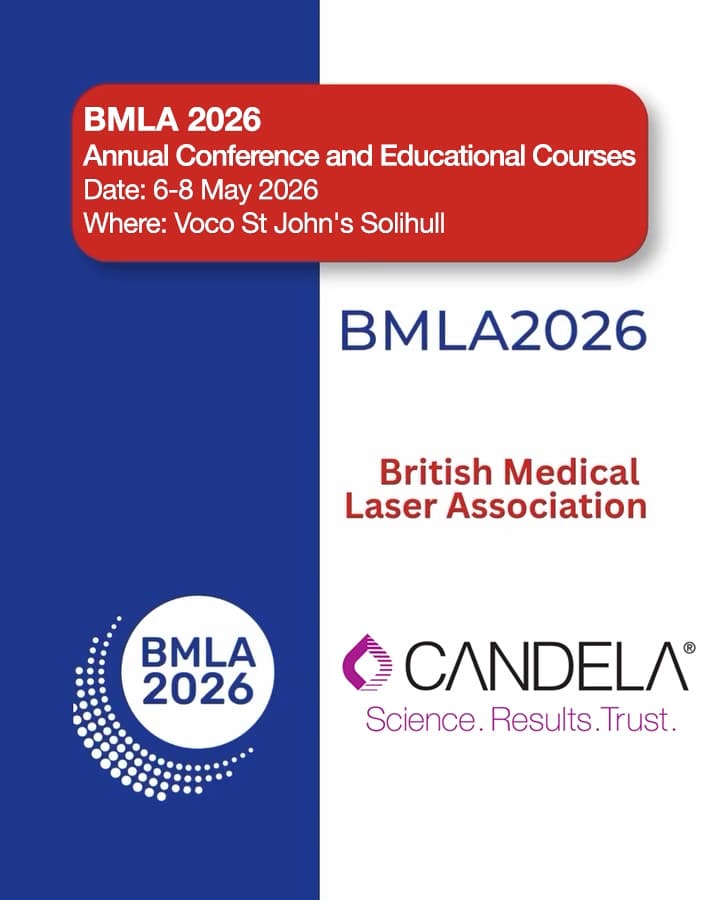
Candela Medical UK and Ireland have announced they are the headline sponsors for the British Medical Laser Association…
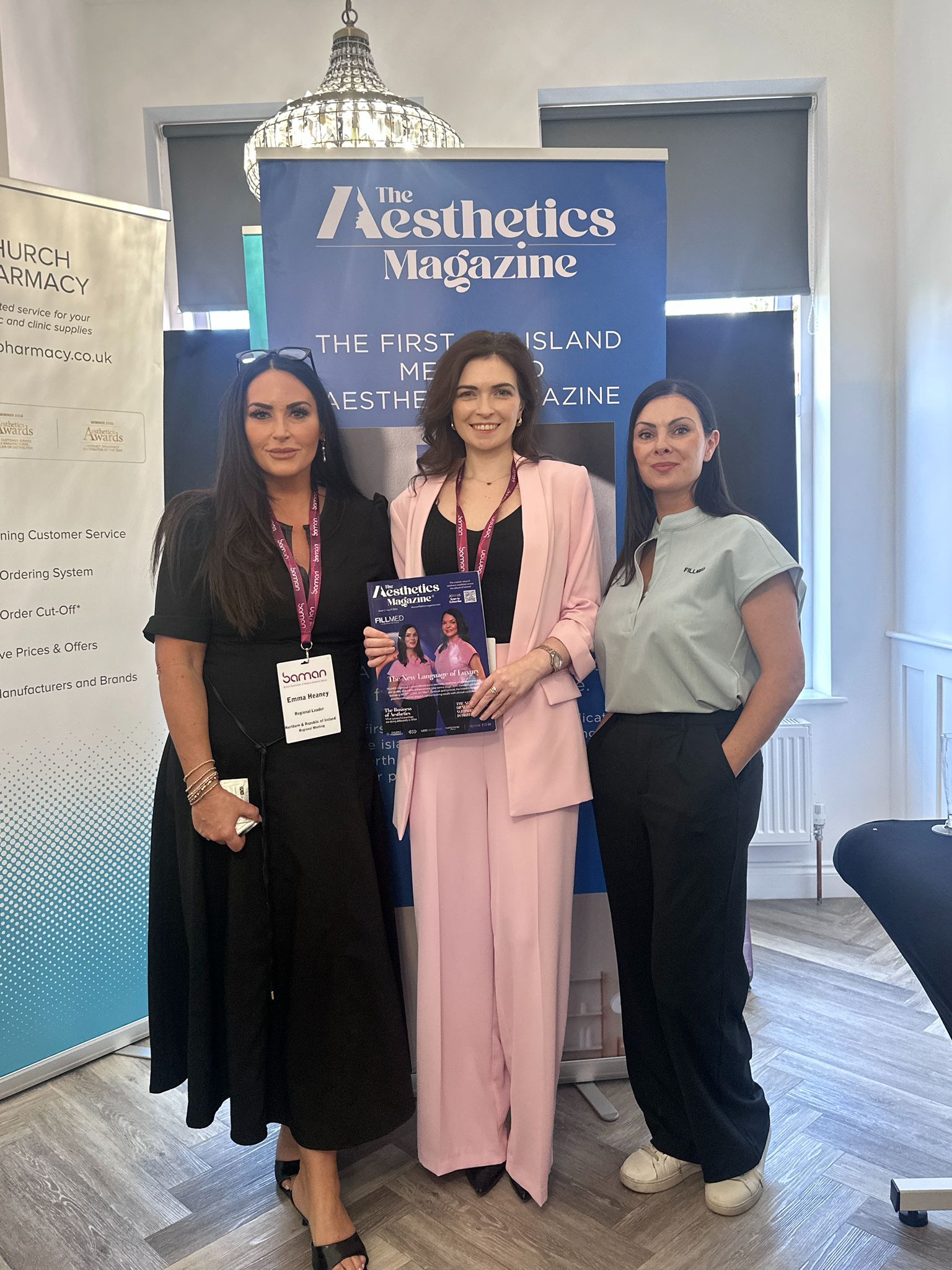
Dozens of aesthetic nurses gathered on Saturday, April 25, for the BAMAN Northern Ireland regional meeting, held at…
Medik8 Launches New Exo PDRN Prismatic+ Pro Concentrate for Clinics Professional skincare brand Medik8 has introduced its latest…
Emerging data is shedding new light on the aesthetic changes increasingly observed in patients undergoing medication-driven weight loss.…