



Global Study Reveals What Really Drives Aesthetic Patients
A study published in the Aesthetic Surgery Journal found that confidence, self-expression and self-care – not simply the…


A newly released report, Gen Z Comes of Age in Aesthetics, commissioned by Teoxane, reveals a significant shift in the UK’s aesthetic landscape, with younger consumers increasingly driving demand for treatments focused on skin quality. Based on a survey of 2,500 participants conducted by Norstat, the 2026 report shows that 28% of 18–34-year-olds have already undergone dermal filler treatments, while interest among Gen Z has surged sharply in the past year.
The findings suggest that younger patients are redefining the purpose of injectables, moving away from purely aesthetic enhancement toward long-term skin health. Over a third (35%) of respondents who have had dermal fillers cited improving skin quality, such as texture and radiance, as their primary motivation, rising to 47% among those aged 18–25.
Industry experts featured in the report point to increased exposure to beauty standards, social media influence, and greater accessibility of treatments as key drivers behind earlier engagement with aesthetics. The report concludes that practitioners must prioritise education and patient guidance to build trust with this emerging demographic, who increasingly view aesthetic treatments as part of a broader, lifelong approach to skincare.
Dr Kaly Jaff from The Secret, Glasgow, said that she believes that Gen Z are looking for dermal fillers due to intrigue and social pressure.
Dr. Jaff said: “There’s so much information available now and we’re constantly getting exposed to beauty standards on all social media platforms, billboards, radio etc etc. There’s no escaping it. Subconsciously, that’s always playing in modern day living. Add to that, that it’s the most exposed we’ve ever been to our own reflection through phones, zoom calls, mirrors, glass.
“It’s impossible to avoid. So you’re subconsciously being told what the beauty standards are and equally having to literally reflect. It’s human nature that intrigue wants to explore what aesthetics could look like. It’s more accessible, more people are open about it and ultimately, the intrigue turns into action. I don’t think it’s as straight forward as “prevention or aesthetic”. I think it’s so much deeper than that and society has a big part to play.”
“It’s vital to educate and inform our patient dynamic that HA doesn’t always mean filler. I think the language in aesthetics is really starting to change as information is becoming easier to access. Before I would hear patients saying, “my friend got Botox in her lips and they were huge” and that’s changing slowly but I do still believe a large majority believe all HA equals volume. So, it’s so important that we educate so they’re able to make informed decisions and also be able to see the wonders of non-cross-linked HA and perhaps have less anxieties about committing to skin boosters.”
Gain full access to peer-reviewed protocols, our extensive digital archive, and the Tri-annual print edition delivered to your clinic.
£
250
Per Year
Subscribe
Auto-renews annually. Cancel anytime.
Subscribe to our newsletter for the latest insights from the aesthetics industry.
Subscribe NowA study published in the Aesthetic Surgery Journal found that confidence, self-expression and self-care – not simply the…

BTL Ireland has officially opened its new headquarters in Dublin, marking a significant investment in the company’s continued…
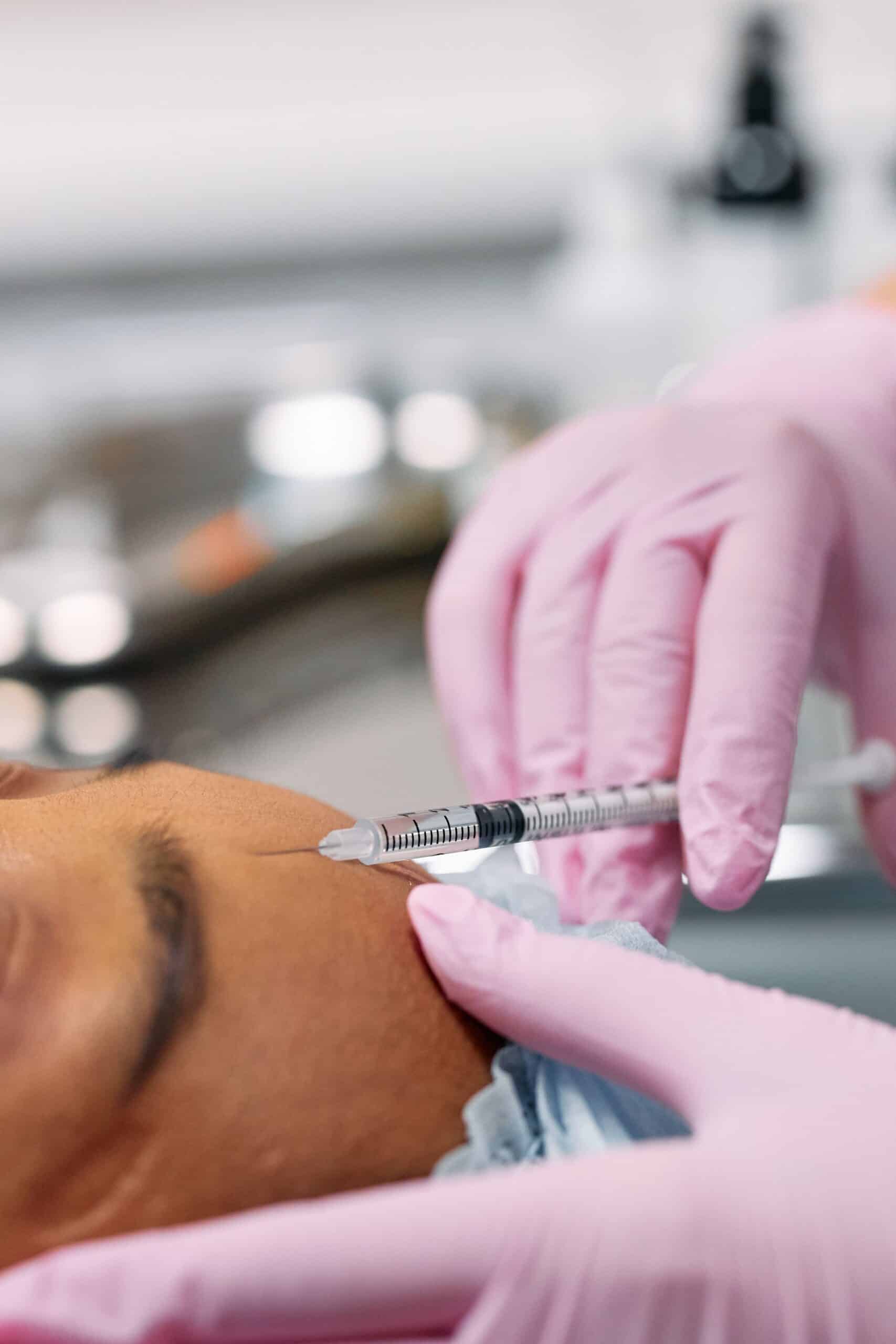
A new clinical governance initiative has been developed by ACE Group World to help enhance emergency preparedness in…

The British Association of Medical Aesthetic Nurses (BAMAN) has welcomed the UK Government’s Call for Evidence on proposals…

Skincare brand CellDerma has announced a new distribution partnership with Church Pharmacy, strengthening the brand’s presence across the…

Leading pharmaceutical company Allergan Aesthetics, an AbbVie company, has announced that they have received approval from the European…
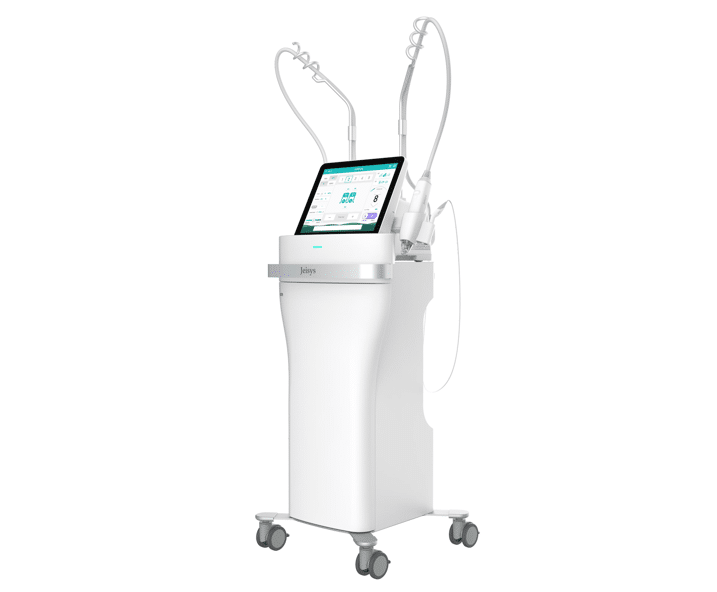
Leading Aesthetics distributor, Healthxchange, has been appointed the new UK and Ireland distributor for the Jeisys POTENZA Advanced…
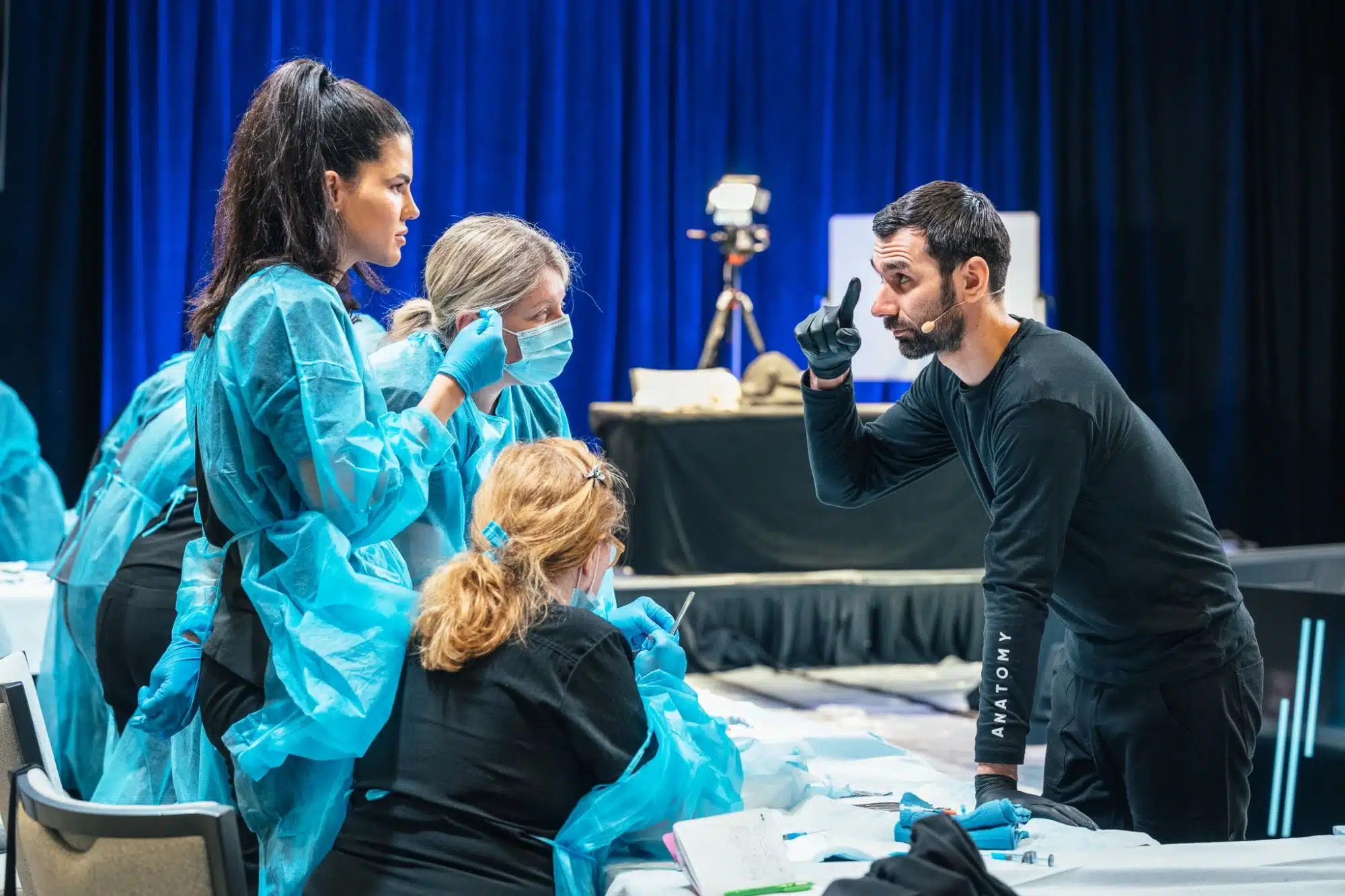
British Association of Medical Aesthetic Nurses (BAMAN) has announced the return of its flagship cadaveric anatomy programme this…

The Regenerative Aesthetics Multidisciplinary Conference & Exhibition (RAMCE) is set to return for a day full of dedicated regenerative…

Clinical-stage biotechnology company Absci has announced positive interim results from the Phase 1 HEADLINE™ clinical trial an investigational…