



Global Study Reveals What Really Drives Aesthetic Patients
A study published in the Aesthetic Surgery Journal found that confidence, self-expression and self-care – not simply the…

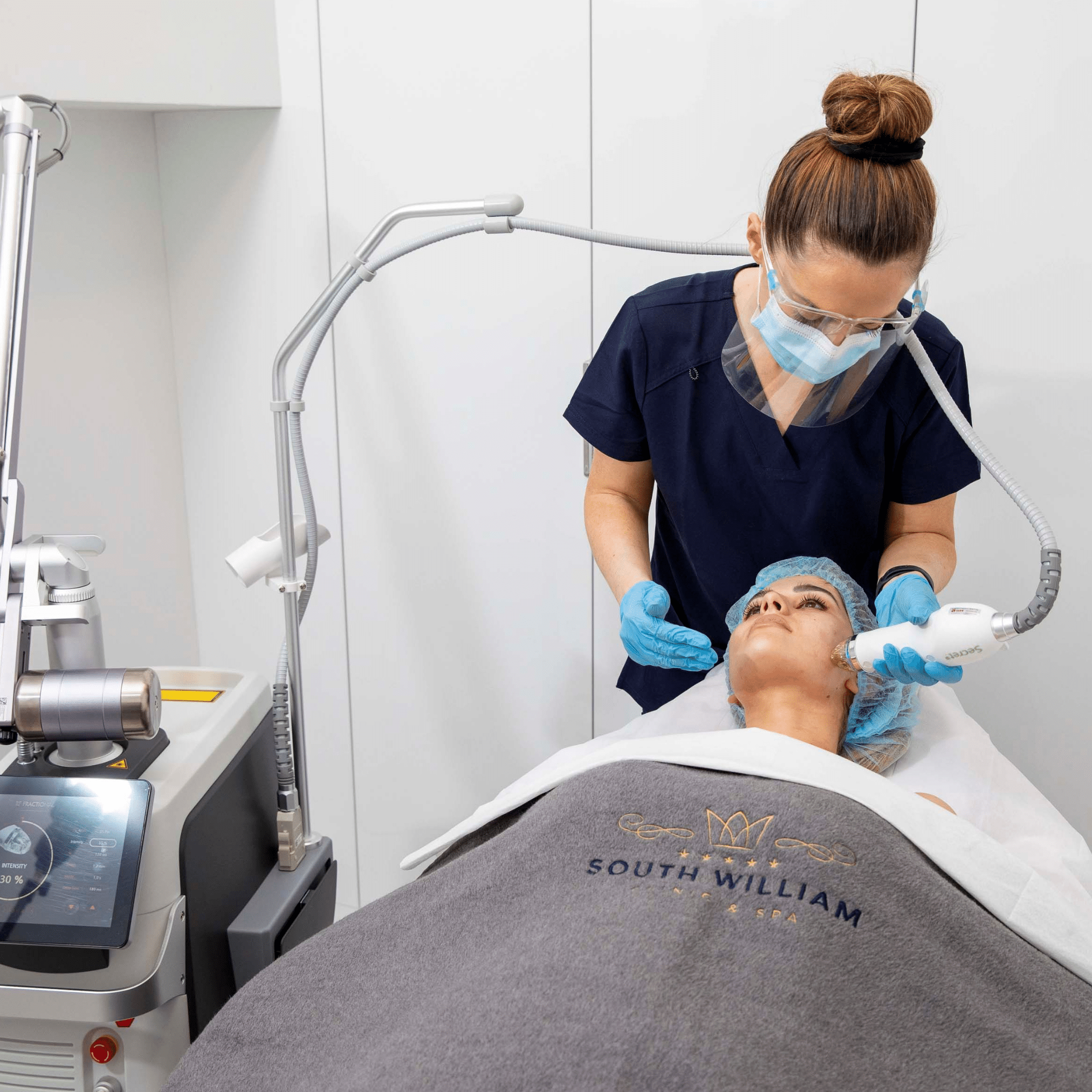
Dermatology Speciality Doctor and aesthetics practitioner Dr Julie Ann Rodgers discusses why patient selection matters when using cryotherapy in aesthetic practice.
Cryotherapy devices have become commonplace in aesthetic practice. They provide an effective treatment option for benign lesions such as skin tags, seborrhoeic keratoses, cherry angiomas and viral warts.
For many patients these lesions are not routinely treated within the NHS and may therefore become a cosmetic concern for individuals seeking removal. As a result, demand for lesion removal within aesthetic clinics has increased significantly.
While cryotherapy devices are generally well tolerated, it is worth remembering that these treatments were traditionally performed within medical settings, where diagnostic expertise and clinical support were readily available.
The difficulty is rarely the use of the device or the technical skill required to perform the treatment. Rather, it lies in the broader clinical considerations that surround it. Without dermatology experience, some of these considerations may not always be immediately apparent. In medicine, one of the greatest challenges is often that you don’t know what you don’t know.
And herein lies why patient selection is critical. To understand why this matters, we must also understand the science behind cryotherapy. While the treatment may be offered in an aesthetic setting, the biological process involved is essentially a controlled wound-healing response that relies on an appropriate inflammatory and immune
response.
Cryotherapy works by inducing controlled tissue injury. Rapid freezing leads to intracellular ice crystal formation, osmotic disruption, vascular stasis and ultimately cellular death.4
The treated tissue then undergoes an inflammatory response before healing over time. [5] In aesthetic medicine, where treatments are elective rather than medically necessary, it is particularly important that clinicians understand when not to treat and that our ethos remains the same: first, do no harm.
One group of patients that warrants consideration in aesthetic practice are those who are immunosuppressed.
Cryotherapy induces controlled epidermal and superficial dermal injury, initiating a cascade of inflammatory and immune-mediated processes that are required for normal wound healing. [4,5] In immunosuppressed individuals, this response may be altered, resulting in less predictable healing and an increased risk of complications such as delayed recovery, prolonged inflammation, infection, and scarring.[5]
In addition to altered healing, immunosuppressed patients carry a significantly increased risk of keratinocyte skin cancers,particularly cutaneous squamous cell carcinoma. [1] In certain populations, such as solid organ transplant recipients, this risk is markedly elevated compared to the general population. [1,3]
Within an aesthetic setting, where treatments are elective and diagnostic resources may be limited, these factors take on greater importance. Diagnostic uncertainty is a key consideration, particularly where lesions may clinically resemble benign pathology but behave differently over time. [1,2]
For this reason, careful patient selection is essential. In patients who are immunosuppressed, clinicians should exercise a lower threshold for deferring treatment and seeking further assessment. In many cases, lesion evaluation and management may be more appropriately undertaken within dermatology services, where dermoscopic assessment, biopsy, and specialist follow-up are available.[3]
This approach is not intended to exclude treatment entirely, but rather to ensure that care is delivered within the most appropriate clinical context, prioritising patient safety and diagnostic accuracy.
When Treatment Isn’t Working: Knowing When to Refer
Another important consideration in aesthetic practice is the management of treatment-resistant lesions, particularly viral warts.[2] Verrucae can often be stubborn and may require more than one treatment session. However, clinicians should remain alert when a lesion fails to respond as expected or continues to enlarge despite treatment.
Aesthetic practitioners are not expected to diagnose every dermatological condition, nor must they definitively distinguish between a benign wart and a malignant lesion. However, clinicians
should recognise when a lesion is not behaving as anticipated.
If a lesion presumed to be benign continues to grow, fails to respond after appropriate treatment, or develops features such as ulceration or persistent bleeding, the diagnosis should be reconsidered. [1,3]
In these situations, early referral to the patient’s GP for further assessment is often the safest approach.
Repeated destructive treatment without reconsidering the diagnosis carries the risk of delaying the investigation of potentially more serious pathology. While uncommon, lesions such as squamous cell carcinoma can occasionally resemble viral warts, particularly in higher-risk patients.(1,2,3)
For aesthetic practitioners, who do decide to bring this cryotherapy treatment onboard, the key skill is not necessarily diagnosing the malignancy itself, but recognising when a lesion is not following the expected treatment pathway. In respect of diagnosing a lesion, I refer to a lesion that has been presumed benign by a medical practitioner or appears to be that of a simple skin tag, cherry angioma or wart.
An easy principle can help guide practice: if a lesion presumed to be benign does not behave like one, pause treatment and refer.
Establishing clear protocols regarding which lesions are suitable for treatment, how many treatment attempts are appropriate, and when referral should occur is an important part of safe practice. [4]
Raising Standards in Aesthetic Medicine
Cryotherapy remains an easily accessible treatment option within aesthetic clinics, and offers a solution to those benign bothersome lesions which are of cosmetic concern to our patients; it is important
that standards around patient selection, risk assessment, and referral pathways evolve alongside them.
The intention of this article is simply to introduce a thought process that encourages medical professionals to pause and consider the wider clinical picture. In particular, it may prompt practitioners to reflect on whether treatment is appropriate in certain patient groups; the decision not to treat can sometimes be the safest one.
For some, this may include choosing not to offer cryotherapy to immunosuppressed patients given their markedly increased risk of SCCs1 and the potential in some cases to resemble benign lesions.[2]
Destructive treatment with cryotherapy removes the opportunity for histological diagnosis and may delay appropriate investigation.[4] All of which reinforces the importance of appropriate patient selection
in elective medicine.
The safest intervention may be the decision to pause, reassess, and refer. In aesthetic medicine, good outcomes do not begin with the device. They begin with clinical judgement.
And sometimes, the most important step before using cryotherapy is simply this:
Freeze — before you freeze.
References
Gain full access to peer-reviewed protocols, our extensive digital archive, and the Tri-annual print edition delivered to your clinic.
£
250
Per Year
Subscribe
Auto-renews annually. Cancel anytime.
Subscribe to our newsletter for the latest insights from the aesthetics industry.
Subscribe NowA study published in the Aesthetic Surgery Journal found that confidence, self-expression and self-care – not simply the…

BTL Ireland has officially opened its new headquarters in Dublin, marking a significant investment in the company’s continued…
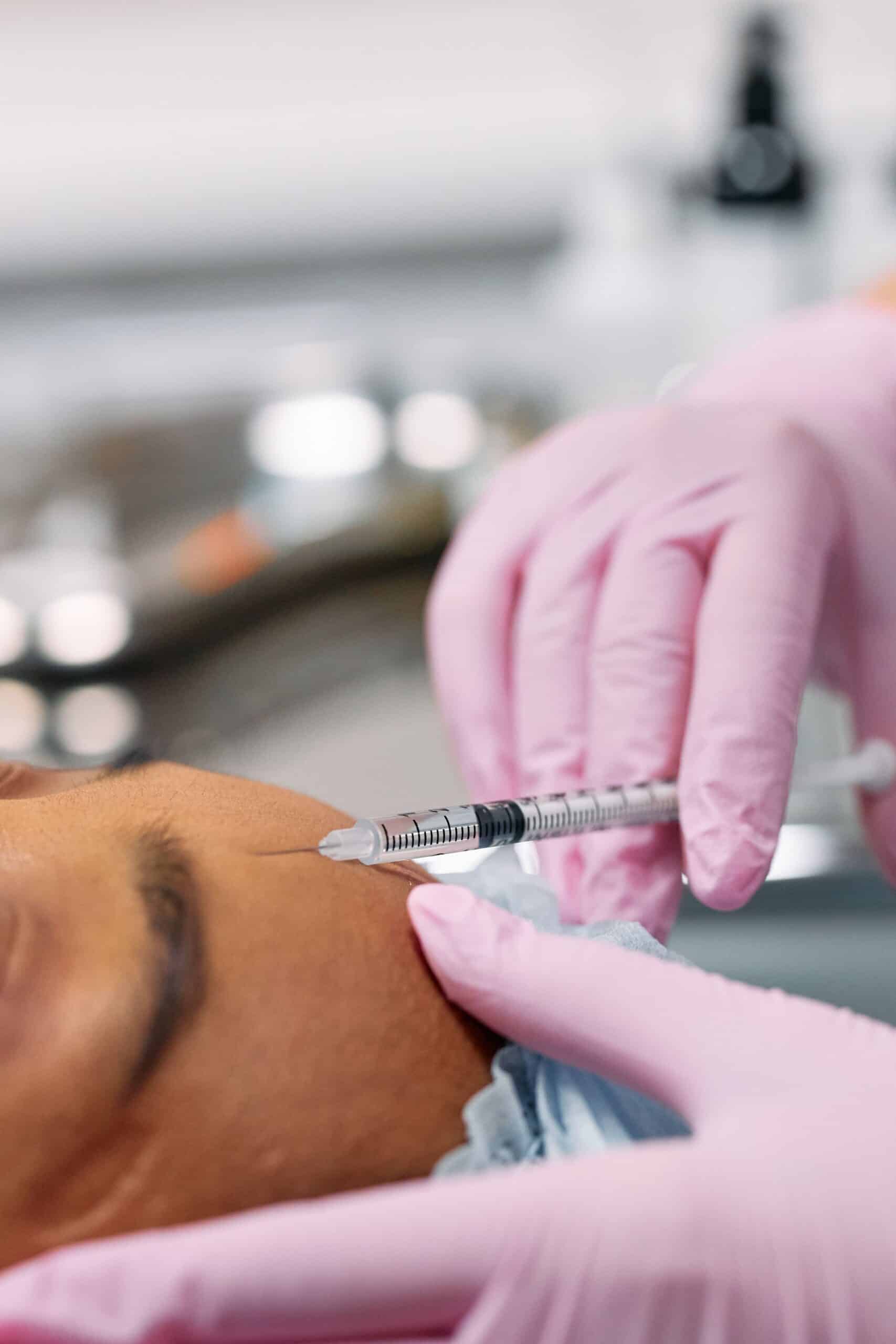
A new clinical governance initiative has been developed by ACE Group World to help enhance emergency preparedness in…

The British Association of Medical Aesthetic Nurses (BAMAN) has welcomed the UK Government’s Call for Evidence on proposals…

Skincare brand CellDerma has announced a new distribution partnership with Church Pharmacy, strengthening the brand’s presence across the…

Leading pharmaceutical company Allergan Aesthetics, an AbbVie company, has announced that they have received approval from the European…
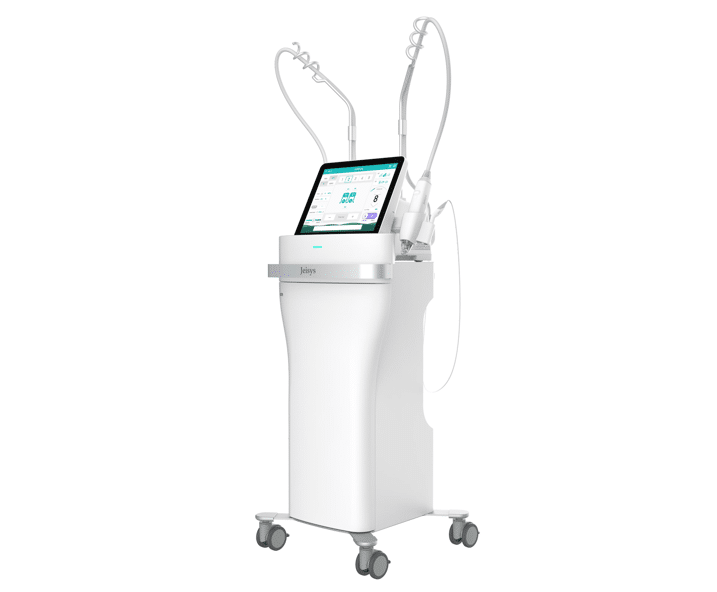
Leading Aesthetics distributor, Healthxchange, has been appointed the new UK and Ireland distributor for the Jeisys POTENZA Advanced…
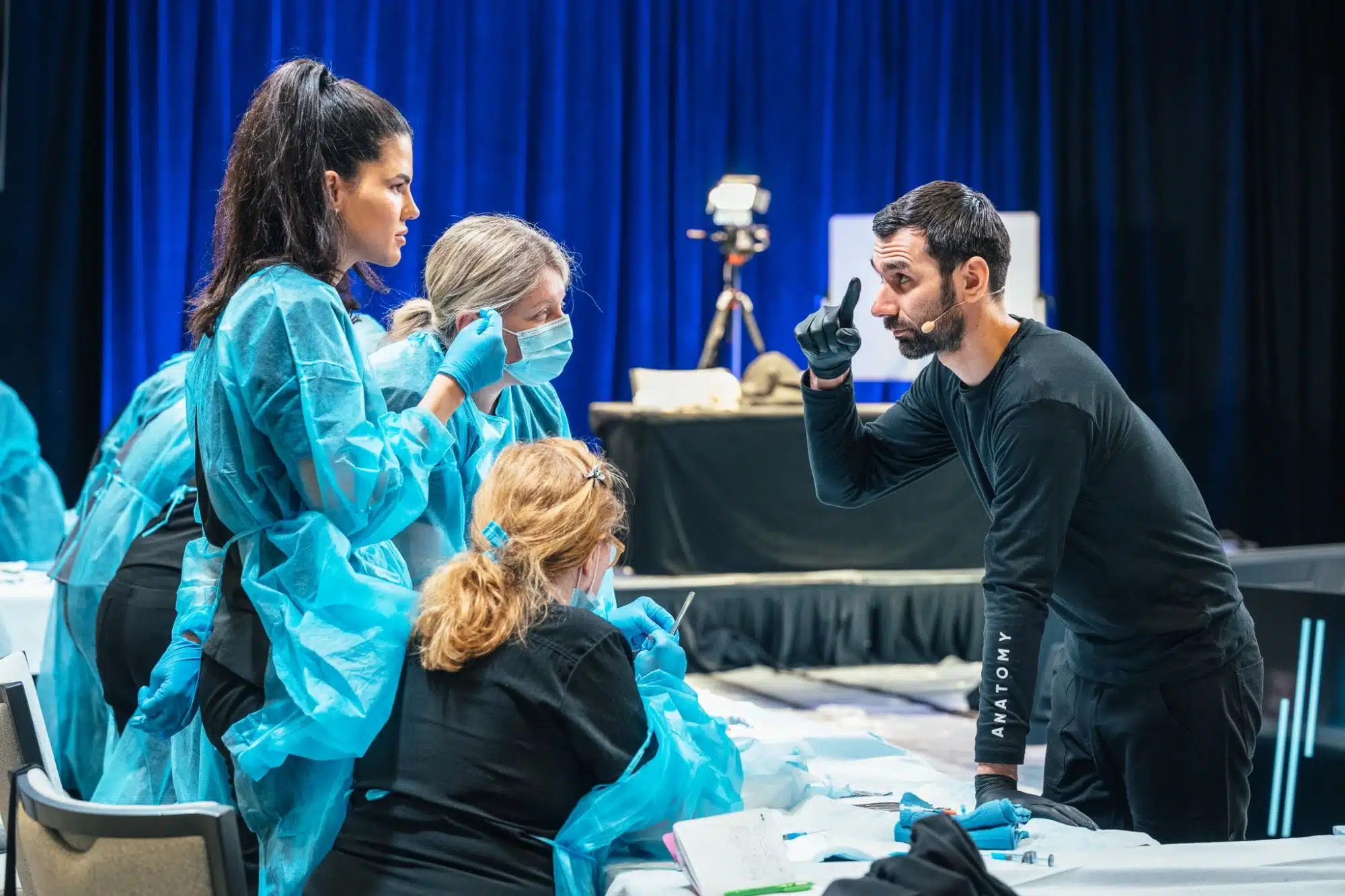
British Association of Medical Aesthetic Nurses (BAMAN) has announced the return of its flagship cadaveric anatomy programme this…

The Regenerative Aesthetics Multidisciplinary Conference & Exhibition (RAMCE) is set to return for a day full of dedicated regenerative…

Clinical-stage biotechnology company Absci has announced positive interim results from the Phase 1 HEADLINE™ clinical trial an investigational…