



Global Study Reveals What Really Drives Aesthetic Patients
A study published in the Aesthetic Surgery Journal found that confidence, self-expression and self-care – not simply the…


Pharmaceutical company Galderma has announced new data from an investigator-initiated trial (IIT) addressing the treatment of aesthetic changes during menopause.
The ongoing trial highlights the role of Restylane Skinboosters™ and Sculptra on skin skin barrier function, hydration and patient satisfaction.
New interim results from the nine-month investigator-initiated study led by Dr. Andreas Nikolis highlight promising advancements in the treatment of menopausal skin using a dual-sequence approach.
The study evaluated the combined use of Restylane Skinboosters and Sculptra on the face and décolletage of menopausal women. Findings showed progressive and meaningful improvements in skin quality, with the greatest gains in hydration observed when treatment began with Skinboosters.
Hydration remains a key concern for menopausal patients, and results demonstrated measurable enhancements in skin-barrier function, texture and overall quality in both treatment sequences. Skinboosters delivered early indicate improvements in hydration and surface irregularities, while Sculptra supported longer-term collagen stimulation, restoring firmness, volume and radiance over time.
Patient-reported outcomes mirrored clinical findings, with satisfaction scores rising steadily throughout the study and reaching high levels by Month 6.
According to Dr. Nikolis, the research addresses an important gap in aesthetic medicine, noting that menopausal skin changes, such as dryness and reduced collagen, have historically been underrepresented in clinical studies.
The findings suggest that a sequenced combination approach may offer an effective, evidence-based strategy for improving skin health and patient satisfaction in this growing demographic.
Dr Andreas Nikolis, study lead investigator and board-certified plastic surgeon said: “Menopause is associated with a distinct and often under-recognized set of skin changes, including dryness, barrier dysfunction, and progressive declines in skin quality. This first-of-its-kind clinical study is helping address an important unmet need by generating objective data in a population that has historically been overlooked in aesthetic research.
“The interim findings are highly encouraging, demonstrating meaningful improvements in skin hydration and collagen-related skin quality over time. Equally important, these measurable clinical benefits are mirrored by rising patient satisfaction throughout the study.
“For clinicians, these early results offer valuable evidence-based insight into how we can better support aging menopausal patients with treatment strategies that are tailored to the biologic changes of this stage of life.”
Gain full access to peer-reviewed protocols, our extensive digital archive, and the Tri-annual print edition delivered to your clinic.
£
250
Per Year
Subscribe
Auto-renews annually. Cancel anytime.
Subscribe to our newsletter for the latest insights from the aesthetics industry.
Subscribe NowA study published in the Aesthetic Surgery Journal found that confidence, self-expression and self-care – not simply the…

BTL Ireland has officially opened its new headquarters in Dublin, marking a significant investment in the company’s continued…
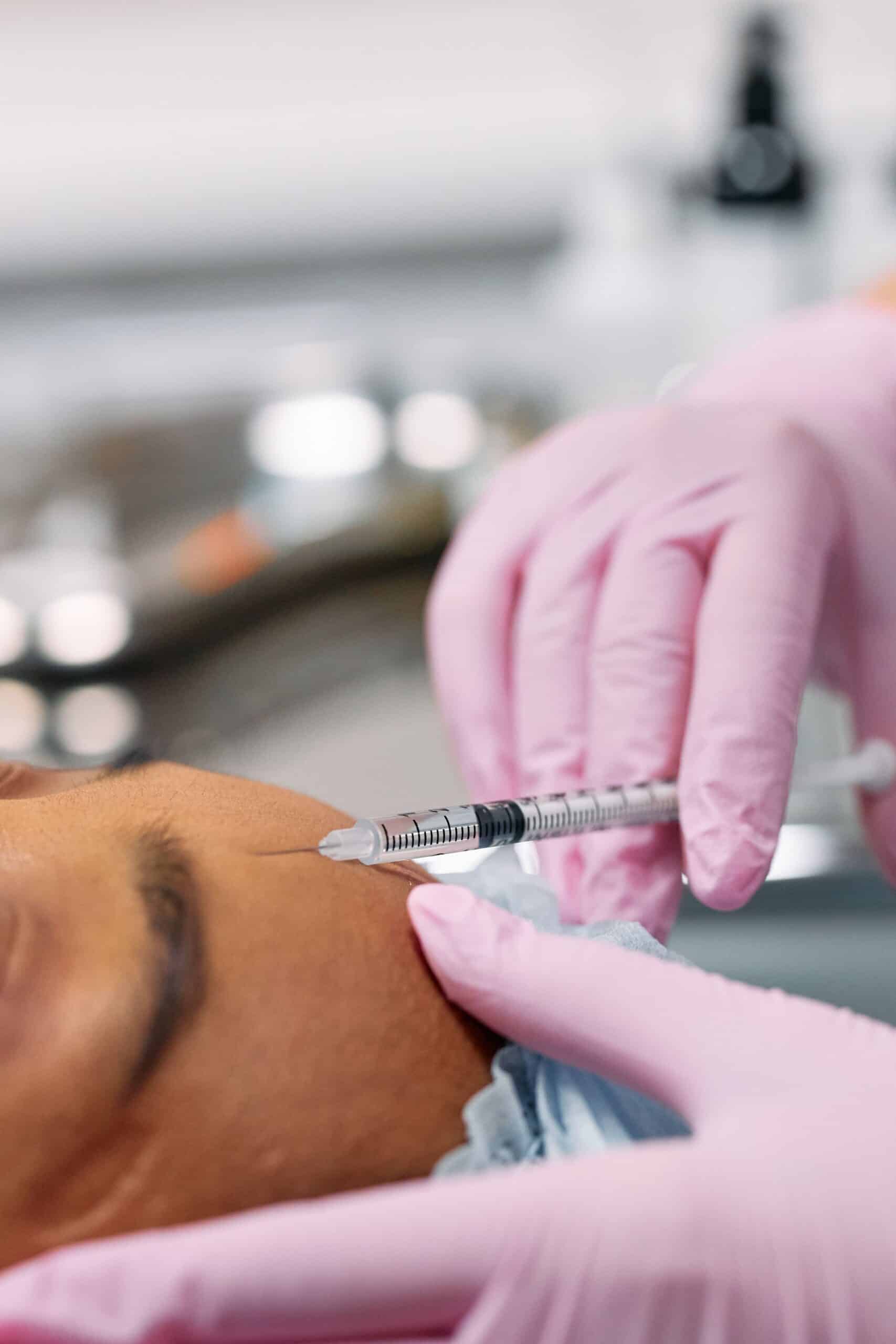
A new clinical governance initiative has been developed by ACE Group World to help enhance emergency preparedness in…

The British Association of Medical Aesthetic Nurses (BAMAN) has welcomed the UK Government’s Call for Evidence on proposals…

Skincare brand CellDerma has announced a new distribution partnership with Church Pharmacy, strengthening the brand’s presence across the…

Leading pharmaceutical company Allergan Aesthetics, an AbbVie company, has announced that they have received approval from the European…
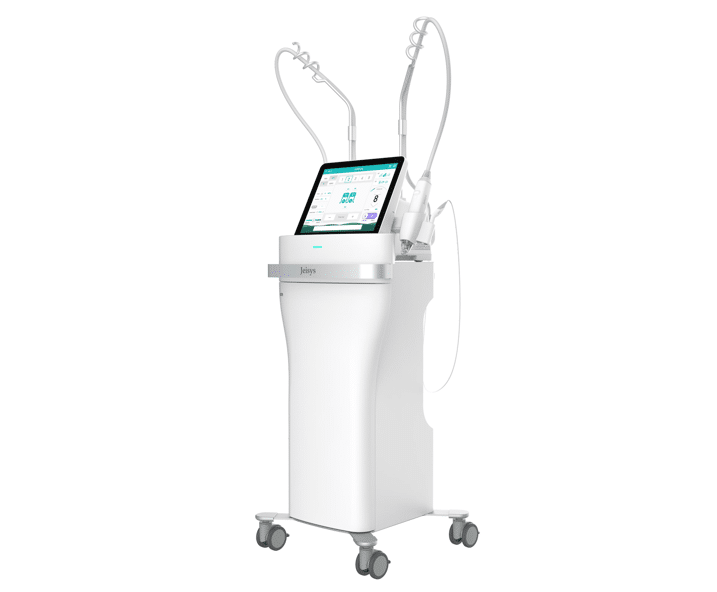
Leading Aesthetics distributor, Healthxchange, has been appointed the new UK and Ireland distributor for the Jeisys POTENZA Advanced…
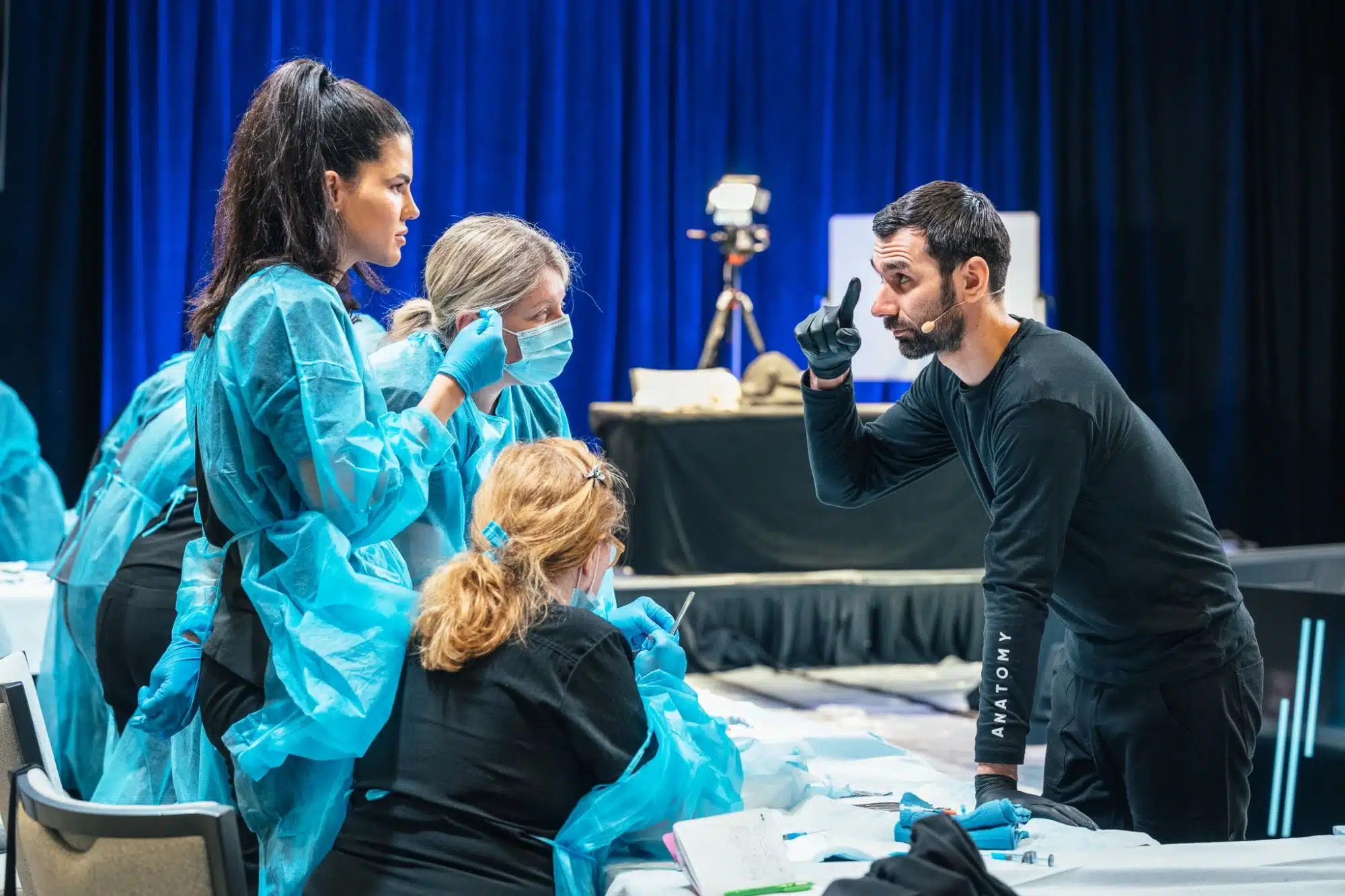
British Association of Medical Aesthetic Nurses (BAMAN) has announced the return of its flagship cadaveric anatomy programme this…

The Regenerative Aesthetics Multidisciplinary Conference & Exhibition (RAMCE) is set to return for a day full of dedicated regenerative…

Clinical-stage biotechnology company Absci has announced positive interim results from the Phase 1 HEADLINE™ clinical trial an investigational…