



Global Study Reveals What Really Drives Aesthetic Patients
A study published in the Aesthetic Surgery Journal found that confidence, self-expression and self-care – not simply the…

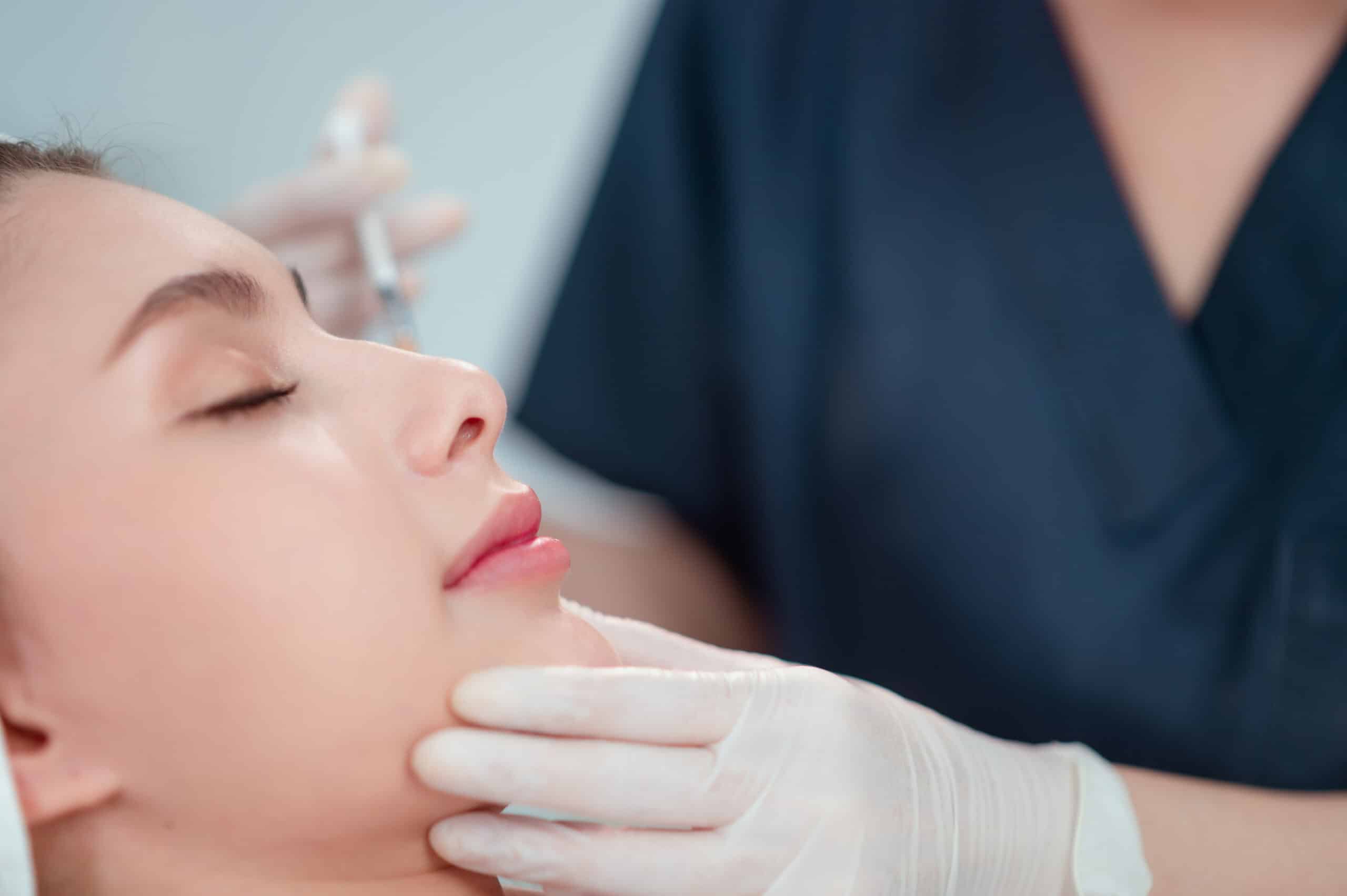
GP and aesthetic practitioner Dr Peter Murphy outlines his clinical approach in managing a patient who presented with perioral scarring and lip asymmetry.
Complications arising from cosmetic procedures have become a growing concern within the aesthetics industry. As demand for injectable treatments continues to rise, medically qualified clinicians are being asked more frequently to manage complications that arise from a variety of non-surgical aesthetics procedures.
One such case involved a 24-year-old Caucasian woman, whose experience highlights the potential role of regenerative medicine in restoring damaged tissue and the potential complications that can arise from lip filler.
The patient’s journey
The patient initially underwent previous lip filler treatment at the age of 19. Like many young women at the time, she had been influenced by the growing popularity of fuller lips – a trend that had become widely normalised across social media and popular culture.
By the age of 24, she had received three prior lip filler treatments without any complications. Reassured by these experiences, she felt confident about undergoing further treatment and elected to see a different practitioner, recommended by a friend.
She allegedly requested a 1ml enhancement and presented a reference photograph to demonstrate the lip shape she hoped to achieve.
Immediate warning signs
Shortly after treatment, the patient became concerned by an “abnormal reaction”. She experienced significant bruising, which she described as “unusual” compared to her previous lip filler treatments.
Although the discolouration began to subside over the following days, she remained convinced that something was not right. She recalled that her lips felt unusually “firm and heavy”, and over the ensuing weeks, they became increasingly tender to the touch.
Concerned by the persistence of her symptoms, she sought advice from another aesthetic practitioner, who attempted to dissolve the filler using hyaluronidase. However, according to the patient, the product did not fully break down.
Clinical presentation
Several weeks later, the patient visited Aesthetic Skin Clinic, where she was assessed by Dr Peter Murphy.
On presentation, the patient exhibited several “concerning” clinical features:
• Disproportionate lip volume
• Inversion of the natural lip ratio
• Asymmetrical vermilion border
• Palpable subcutaneous masses
• Persistent pain weeks after injection
Upon examination, Dr Murphy found that approximately 60–70% of the filler volume had been placed in the upper lip, resulting in a significant distortion of the natural lip proportions. Further history suggested the filler used was a high-density, highly hydrophilic product, more typically indicated for structural support in areas such as the midface or jawline rather than the delicate perioral region.
A hidden complication
A staged management plan was initiated. After a 48-hour cooling-off period, she returned for hyaluronidase treatment to dissolve the remaining filler. However, upon cannula insertion, an unexpected complication emerged.
Purulent exudate (pus) was identified within the lip body. This finding indicated an active infection. The procedure was immediately halted, and the patient was placed on a ten-day course of antibiotics.
Once the infection resolved, further hyaluronidase treatment successfully dissolved the remaining filler, restoring her baseline lip anatomy.
The aftermath: scar tissue
Despite the successful dissolution of the original lip filler, the patient’s lips still showed significant trauma upon examination. Scar tissue remained within the lip body and along the vermilion border, caused by both inappropriate product choice and incorrect injection technique.
For the patient, the aesthetic consequences were deeply worrying. She expressed her worry about “permanent disfiguration” after seeing the scarring that the filler had caused.
At this stage, the clinical objective shifted from adding volume to tissue regeneration.
A regenerative treatment approach
After consultation with the UK-based aesthetics company, DermaFocus, Dr Murphy implemented a regenerative protocol using a combination of polynucleotides and non-crosslinked hyaluronic acid known as Newest® Polynucleotides HPT®, manufactured by Mastelli. Polynucleotides HPT® have been associated with improved tissue repair, enhanced collagen production and improved skin quality – properties that make them particularly useful in the treatment of scarred tissue.
The protocol was adapted from the “Natural Lips” study developed by George Christopoulos and Raquel Amado, which evaluated the use of polynucleotides in perioral rejuvenation.
Using a cannula technique, the product was placed in the subcutaneous plane.
The treatment involved:
• One syringe per session
• Five linear vectors per side
• 0.2cc administered per vector
Because the product contains no lidocaine, a regional dental block was administered prior to the procedure for patient comfort.
Post-treatment advice included avoiding strenuous activity and manipulation of the lips for 24 hours.
Clinical outcomes
The results were visible almost immediately.
Within 48 hours, improvements included:
• Reduced scar prominence
• Improved tissue pliability
• Restored natural lip proportion
• Subtle, balanced lip definition
For the 24-year-old woman, the psychological impact was just as significant as the physical recovery. The entire corrective process, from the original filler procedure to final restoration, was approximately six weeks.
A warning for patients
Reflecting on her experience, the patient stated that many young people underestimate the risks of aesthetic treatments.
She said: “It’s worth paying a little bit extra for a medic-led clinic. It could have been so much worse. I could have needed surgery or even developed sepsis because of the infection.”
Despite the ordeal, the patient says she is pleased with the final result, but is significantly more cautious about future treatments.
Ethical considerations
The management of complications arising from procedures performed by other practitioners raises several ethical considerations in aesthetic medicine.
Clinicians must balance professional responsibility with patient advocacy. Dr Peter Murphy explains that, as a general principle, he would not usually intervene when another practitioner has been the source of a complication, instead encouraging the patient to return to the original treating clinician where appropriate. In this case, however, the patient had allegedly already returned to the original practitioner without satisfactory resolution.
While it is generally advisable to avoid direct criticism of another practitioner, patient safety and transparency must remain paramount. In this case, the priority was to provide appropriate medical management of the complication while ensuring the patient fully understood the treatment plan and its associated risks.
From an ethical perspective, informed consent remains fundamental in aesthetic medicine. Patients should be fully informed of:
• The product being used.
• The practitioner’s qualifications.
• Potential complications and how they would be managed.
• Available alternative treatment options.
Key clinical learning points
Persistent pain or lumpiness should raise suspicion of complications.
Ongoing tenderness, firmness or nodularity weeks after treatment may indicate infection, inflammatory response or poorly placed filler, and should prompt early clinical assessment.
Incomplete filler dissolution may occur with inappropriate product selection or placement.
Clinicians should be prepared to perform staged hyaluronidase treatments and reassess underlying causes if the expected outcome is not achieved.
Infection must be identified and treated before further intervention.
The presence of purulent material should immediately halt aesthetic treatment and be managed with appropriate antibiotic therapy before any further procedures are undertaken.
Regenerative injectables may support post-complication tissue recovery.
Polynucleotide-based treatments such as Newest® Polynucleotides HPT® may improve tissue quality, stimulate collagen production and improve the appearance of scar tissue following filler-related trauma.
Management of complications requires a staged approach and careful follow-up.
Restoration of anatomy should precede any further aesthetic enhancement, with emphasis placed on tissue healing and regeneration.
Patient education remains essential.
Patients should be encouraged to seek treatment from medically trained practitioners with appropriate anatomical knowledge and access to complication management protocols.
Gain full access to peer-reviewed protocols, our extensive digital archive, and the Tri-annual print edition delivered to your clinic.
£
250
Per Year
Subscribe
Auto-renews annually. Cancel anytime.
Subscribe to our newsletter for the latest insights from the aesthetics industry.
Subscribe NowA study published in the Aesthetic Surgery Journal found that confidence, self-expression and self-care – not simply the…

BTL Ireland has officially opened its new headquarters in Dublin, marking a significant investment in the company’s continued…
A new clinical governance initiative has been developed by ACE Group World to help enhance emergency preparedness in…

The British Association of Medical Aesthetic Nurses (BAMAN) has welcomed the UK Government’s Call for Evidence on proposals…

Skincare brand CellDerma has announced a new distribution partnership with Church Pharmacy, strengthening the brand’s presence across the…

Leading pharmaceutical company Allergan Aesthetics, an AbbVie company, has announced that they have received approval from the European…
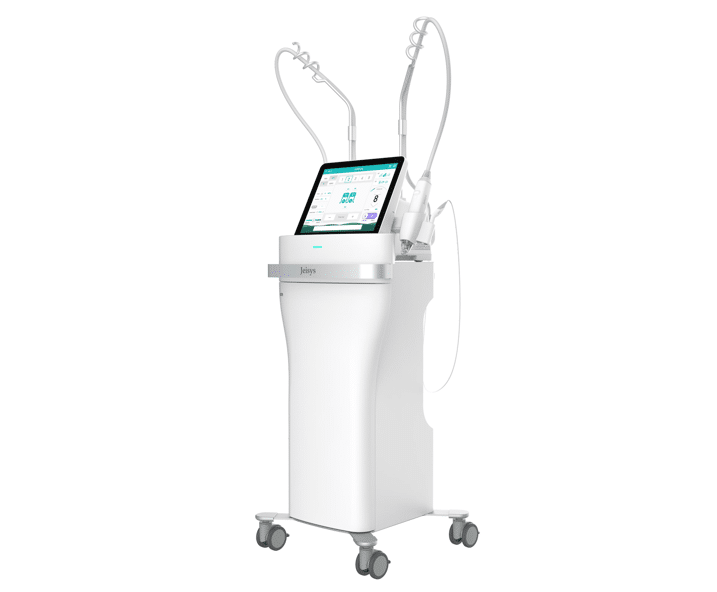
Leading Aesthetics distributor, Healthxchange, has been appointed the new UK and Ireland distributor for the Jeisys POTENZA Advanced…
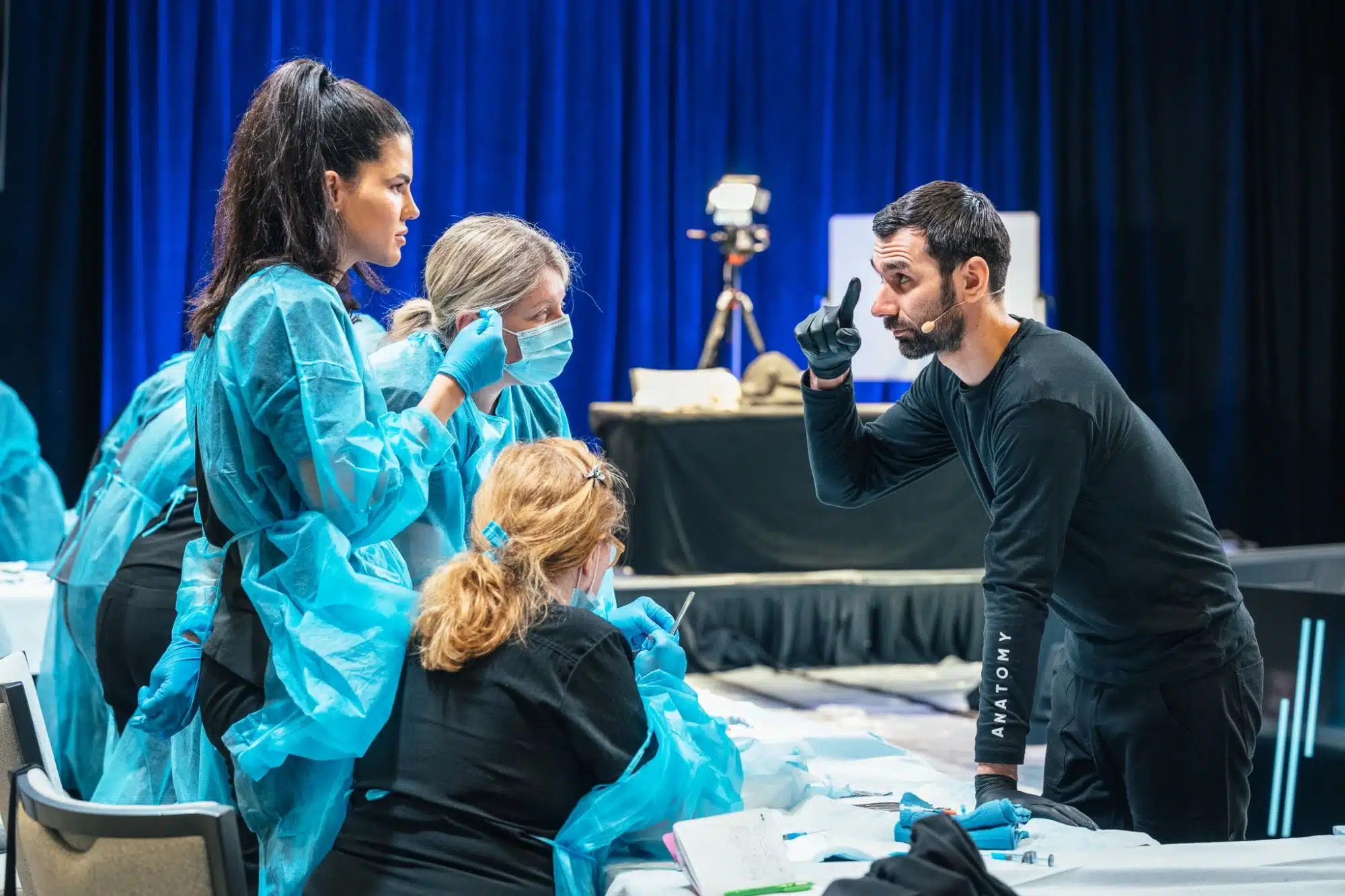
British Association of Medical Aesthetic Nurses (BAMAN) has announced the return of its flagship cadaveric anatomy programme this…

The Regenerative Aesthetics Multidisciplinary Conference & Exhibition (RAMCE) is set to return for a day full of dedicated regenerative…

Clinical-stage biotechnology company Absci has announced positive interim results from the Phase 1 HEADLINE™ clinical trial an investigational…