



Global Study Reveals What Really Drives Aesthetic Patients
A study published in the Aesthetic Surgery Journal found that confidence, self-expression and self-care – not simply the…
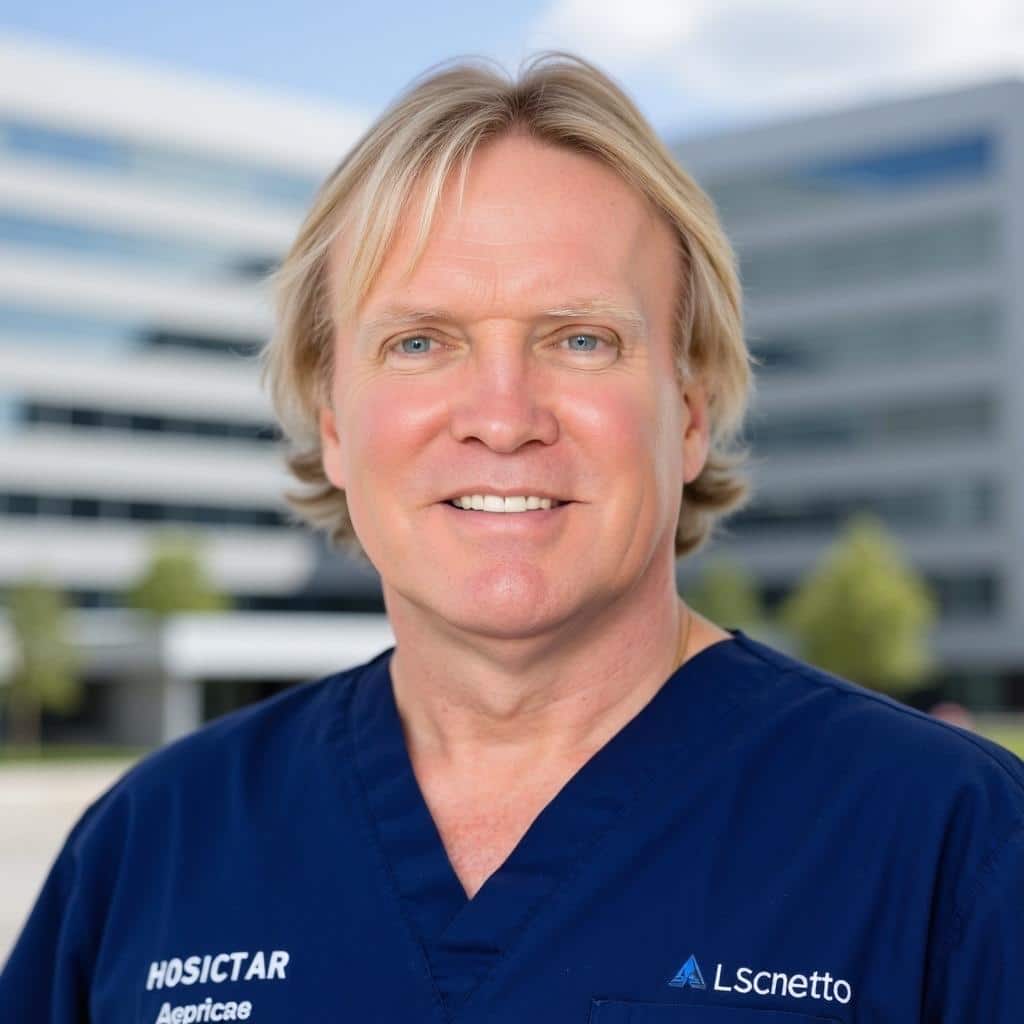

In this article, Patrick Treacy explores how the growing enthusiasm around peptides in longevity medicine may be confusing measurable biological changes with genuine intervention in the complex processes that drive human ageing.
Peptides are everywhere. From longevity clinics and aesthetic practices to wellness podcasts and social media feeds, they are being marketed as the next frontier in anti-ageing medicine. The language is confident, the science sounds sophisticated, and the promise is enticing targeted molecules that can “reset”, “optimise”, or even “reverse” ageing. But beneath the hype lies a more uncomfortable truth. Much of what is being sold as anti-ageing today is not about treating ageing at all – it is about treating numbers.
Modern medicine is very good at measuring things. Hormones, inflammatory markers, metabolic readouts, growth factors – these can all be shifted, sometimes dramatically. Peptides are often praised for their ability to nudge these markers in the “right” direction. Yet ageing is not simply the accumulation of abnormal blood results.
You can normalise laboratory values, improve skin thickness, enhance sleep, or boost recovery, and still do nothing to alter the underlying biological processes that drive ageing itself. Improving a marker is not the same as improving the system. This confusion, between measurable change and meaningful change, sits at the heart of the peptide narrative.
Peptides are biological signals. They bind to receptors, trigger pathways, and initiate cascades. That sounds powerful – and in isolation, it is. But human biology does not operate in straight lines. It is layered, redundant, adaptive, and deeply contextual. A signal delivered without the correct timing, tissue context, metabolic environment, or feedback regulation may be dampened, counteracted, or simply ignored.
Short-term signalling does not guarantee long-term adaptation. Ageing, after all, unfolds over decades, not weeks. Much of the enthusiasm around peptides rests on a reductionist idea: that ageing can be meaningfully altered by targeting individual pathways. In reality, ageing is a multi-system process involving genomic instability, epigenetic drift, mitochondrial dysfunction, immune senescence, loss of proteostasis, and stem cell exhaustion – all interacting simultaneously.
No currently marketed peptide has been shown to comprehensively or durably modify these processes in humans. The leap from “this affects a pathway” to “this slows ageing” is a leap too far. Peptide marketing often leans heavily on laboratory and animal studies. While these are valuable for understanding mechanisms, they are poor predictors of human ageing outcomes. Rodents age quickly; humans do not. What improves a mouse phenotype over weeks may have little relevance to a human life measured in decades. The translation gap is rarely acknowledged in promotional material.
The peptide space exists in a regulatory grey zone, often driven by compounding pharmacies, influencer medicine, and clinics that function as both prescribers and retailers. This blurs the line between care and commerce. In such an environment, uncertainty is inconvenient. Nuance doesn’t sell. And scepticism is sometimes framed as being “outdated” rather than scientifically responsible. This is not an argument that peptides are useless. They may have legitimate roles as adjuncts – in symptom relief, tissue repair, pain modulation, or carefully selected clinical contexts. Used judiciously, they can be interesting tools. What they are not, at least with current evidence, is a cure for ageing.
Perhaps the most concerning aspect of the peptide boom is not the molecules themselves, but the narrative around them. Complex biology is often presented with unjustified certainty, giving the illusion of precision where there is still profound uncertainty. True medical progress requires humility. Ageing remains one of the most complex biological phenomena we face. Pretending otherwise may be comforting – but it is not honest.
If longevity medicine is to mature, it must resist the temptation to overpromise. Treating ageing will not come from chasing biomarkers or injecting isolated signals, but from understanding systems, environments, and long-term adaptation. Until then, peptides should be discussed for what they are: intriguing, limited, and still very much unfinished science.
Gain full access to peer-reviewed protocols, our extensive digital archive, and the Tri-annual print edition delivered to your clinic.
£
250
Per Year
Subscribe
Auto-renews annually. Cancel anytime.
Subscribe to our newsletter for the latest insights from the aesthetics industry.
Subscribe NowA study published in the Aesthetic Surgery Journal found that confidence, self-expression and self-care – not simply the…

BTL Ireland has officially opened its new headquarters in Dublin, marking a significant investment in the company’s continued…
A new clinical governance initiative has been developed by ACE Group World to help enhance emergency preparedness in…

The British Association of Medical Aesthetic Nurses (BAMAN) has welcomed the UK Government’s Call for Evidence on proposals…

Skincare brand CellDerma has announced a new distribution partnership with Church Pharmacy, strengthening the brand’s presence across the…

Leading pharmaceutical company Allergan Aesthetics, an AbbVie company, has announced that they have received approval from the European…

Leading Aesthetics distributor, Healthxchange, has been appointed the new UK and Ireland distributor for the Jeisys POTENZA Advanced…
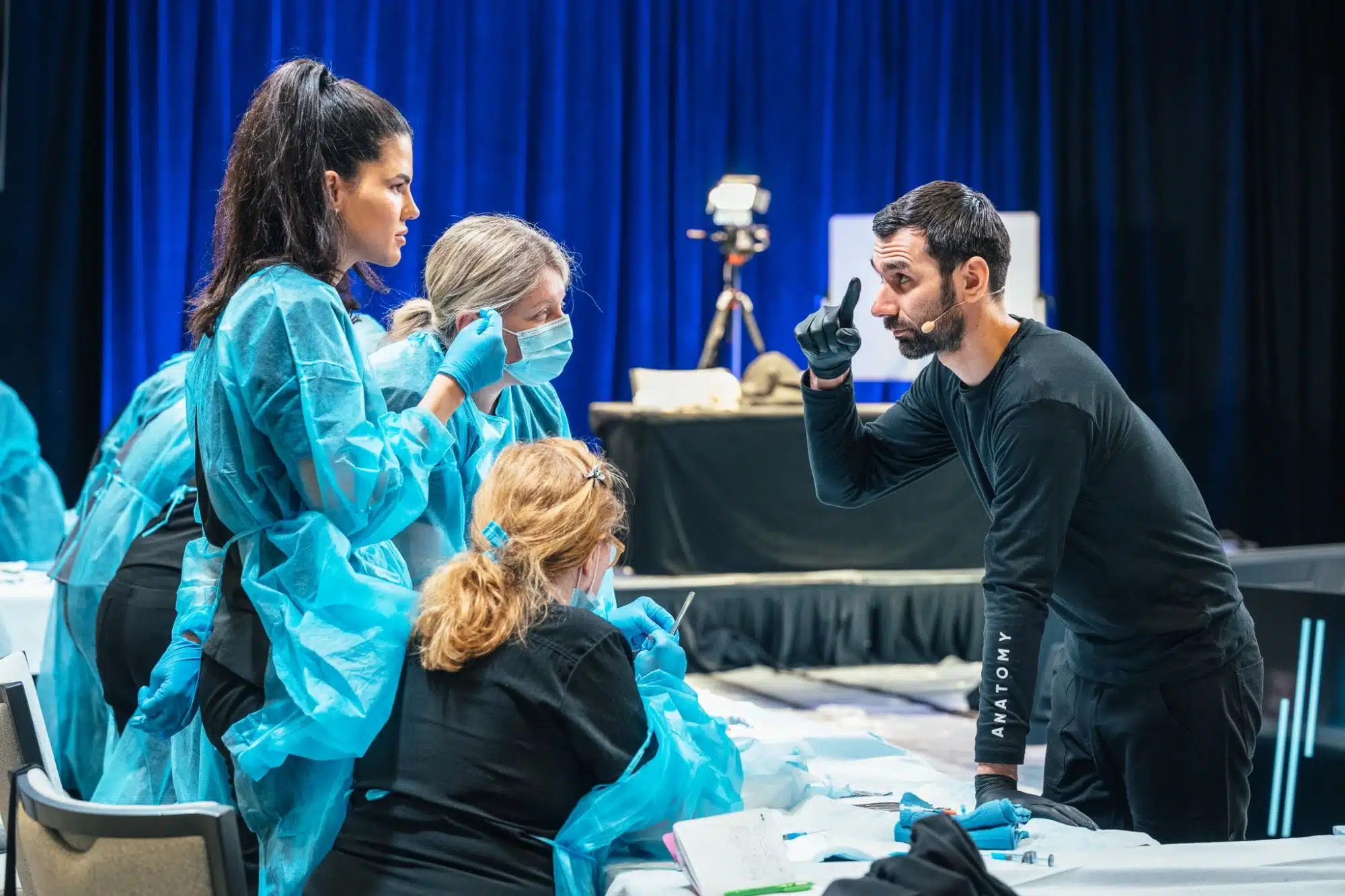
British Association of Medical Aesthetic Nurses (BAMAN) has announced the return of its flagship cadaveric anatomy programme this…

The Regenerative Aesthetics Multidisciplinary Conference & Exhibition (RAMCE) is set to return for a day full of dedicated regenerative…

Clinical-stage biotechnology company Absci has announced positive interim results from the Phase 1 HEADLINE™ clinical trial an investigational…