


Global Study Reveals What Really Drives Aesthetic Patients
A study published in the Aesthetic Surgery Journal found that confidence, self-expression and self-care – not simply the…

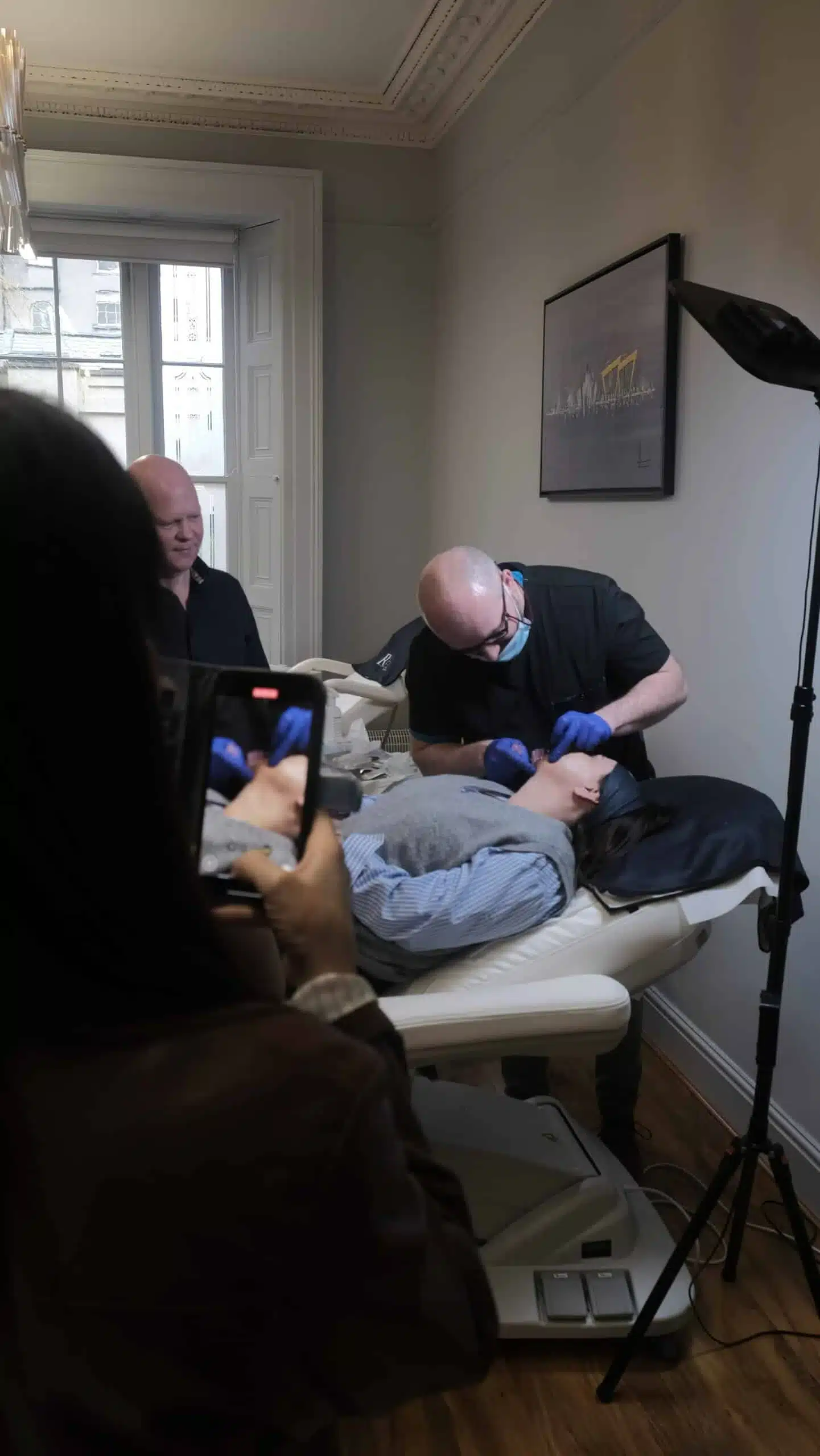
A newly published case series in JPRAS Open has highlighted the potential benefits of an anatomy-guided, multi-vector thread lifting technique for the correction of nasolabial folds, demonstrating high patient satisfaction and a favourable safety profile.
The study, titled “An Anatomy-Guided Multi-Vector Thread Lifting Strategy for Nasolabial Fold Correction: Technique Refinement and Clinical Outcomes in a 22-Patient Case Series”, was authored by an international team of aesthetic practitioners led by Dr Gi-Woong Hong and Dr Kyu-Ho Yi.
Nasolabial folds remain one of the most common concerns associated with facial ageing, developing as a result of volume loss, tissue laxity and the downward descent of facial structures over time. While surgical facelift procedures continue to offer effective correction, demand for minimally invasive alternatives has driven growing interest in thread lifting techniques.
The authors developed a structured approach that combines absorbable barbed threads for tissue repositioning with monofilament threads to improve superficial volume and skin quality. Rather than adopting a one-size-fits-all protocol, treatment plans were tailored according to each patient’s anatomy, skin thickness and specific nasolabial fold characteristics.
A key aspect of the technique is its emphasis on anatomical precision. Thread vectors and insertion depths were designed to engage supportive ligament structures while avoiding critical vascular anatomy, particularly the facial artery, which frequently runs along the nasolabial fold. The authors suggest that this anatomy-led approach may improve both safety and treatment longevity.
The retrospective case series evaluated outcomes in 22 patients treated between March 2020 and December 2022. Participants ranged in age from 34 to 65 years, with a mean age of 47.2 years. Clinical outcomes were assessed using standardised photography and the Global Aesthetic Improvement Scale (GAIS) over follow-up periods ranging from six to 18 months.
Results showed that 90.9% of patients were rated as “improved” or “much improved” at six months following treatment. Among patients available for longer-term assessment, 77.8% maintained these outcomes at 12 months. The authors observed that patients with ptosis-dominant nasolabial folds experienced the most dramatic initial improvements, although some regression was noted over time. In contrast, structurally deeper folds demonstrated more gradual but stable long-term results.
Importantly, no serious adverse events were reported. The most common side effects included temporary bruising, swelling and transient sensory changes, all of which resolved without significant intervention. Only one case of thread extrusion and one small haematoma were documented, with both managed successfully.
According to the authors, the findings support the use of personalised, anatomy-based thread lifting as a safe and effective option for selected patients seeking non-surgical nasolabial fold correction. They note, however, that outcomes remain highly dependent on practitioner expertise and anatomical understanding, and that further research with larger patient cohorts and longer follow-up periods will be needed to establish long-term efficacy.
The study contributes to a growing body of evidence supporting anatomically informed thread lifting techniques and reflects the wider trend towards personalised, minimally invasive facial rejuvenation procedures within aesthetic medicine.
Gain full access to peer-reviewed protocols, our extensive digital archive, and the Tri-annual print edition delivered to your clinic.
£
250
Per Year
Subscribe
Auto-renews annually. Cancel anytime.
Subscribe to our newsletter for the latest insights from the aesthetics industry.
Subscribe NowA study published in the Aesthetic Surgery Journal found that confidence, self-expression and self-care – not simply the…
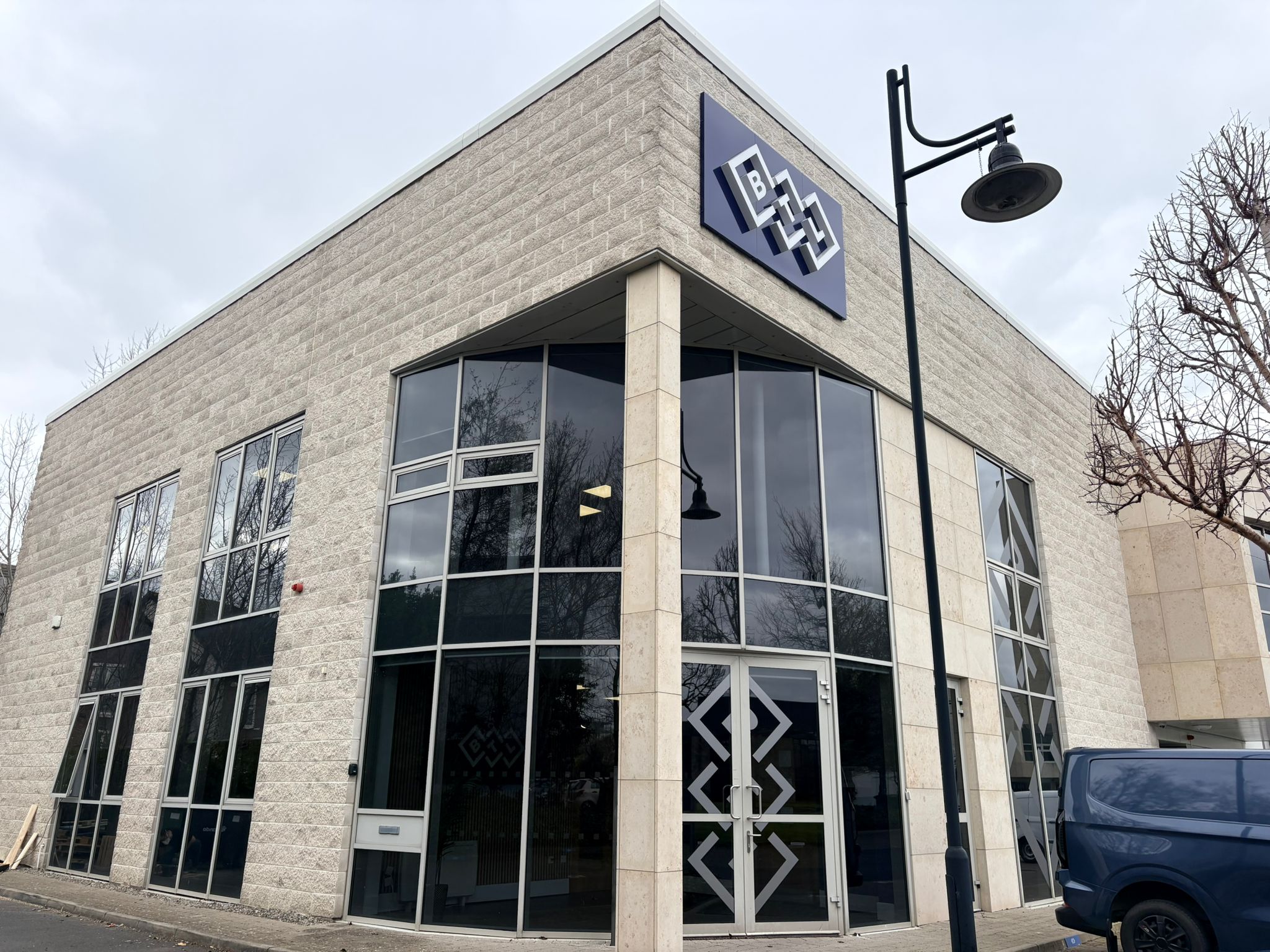
BTL Ireland has officially opened its new headquarters in Dublin, marking a significant investment in the company’s continued…
A new clinical governance initiative has been developed by ACE Group World to help enhance emergency preparedness in…

The British Association of Medical Aesthetic Nurses (BAMAN) has welcomed the UK Government’s Call for Evidence on proposals…

Skincare brand CellDerma has announced a new distribution partnership with Church Pharmacy, strengthening the brand’s presence across the…

Leading pharmaceutical company Allergan Aesthetics, an AbbVie company, has announced that they have received approval from the European…
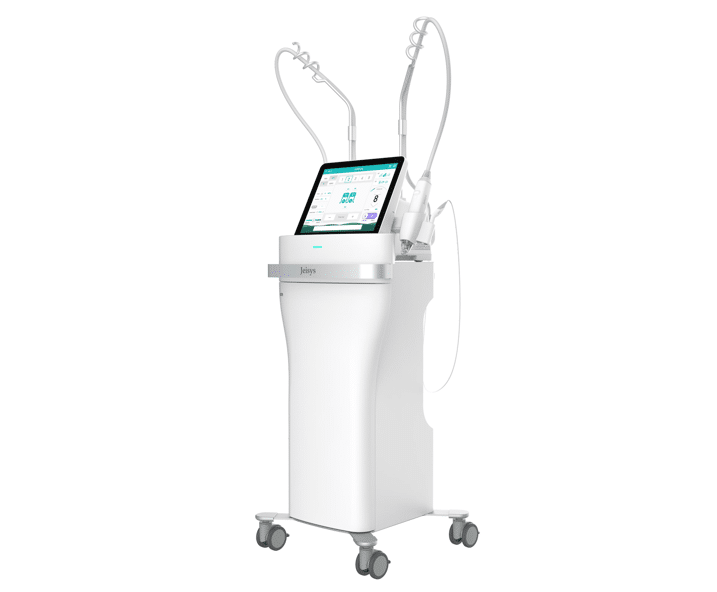
Leading Aesthetics distributor, Healthxchange, has been appointed the new UK and Ireland distributor for the Jeisys POTENZA Advanced…
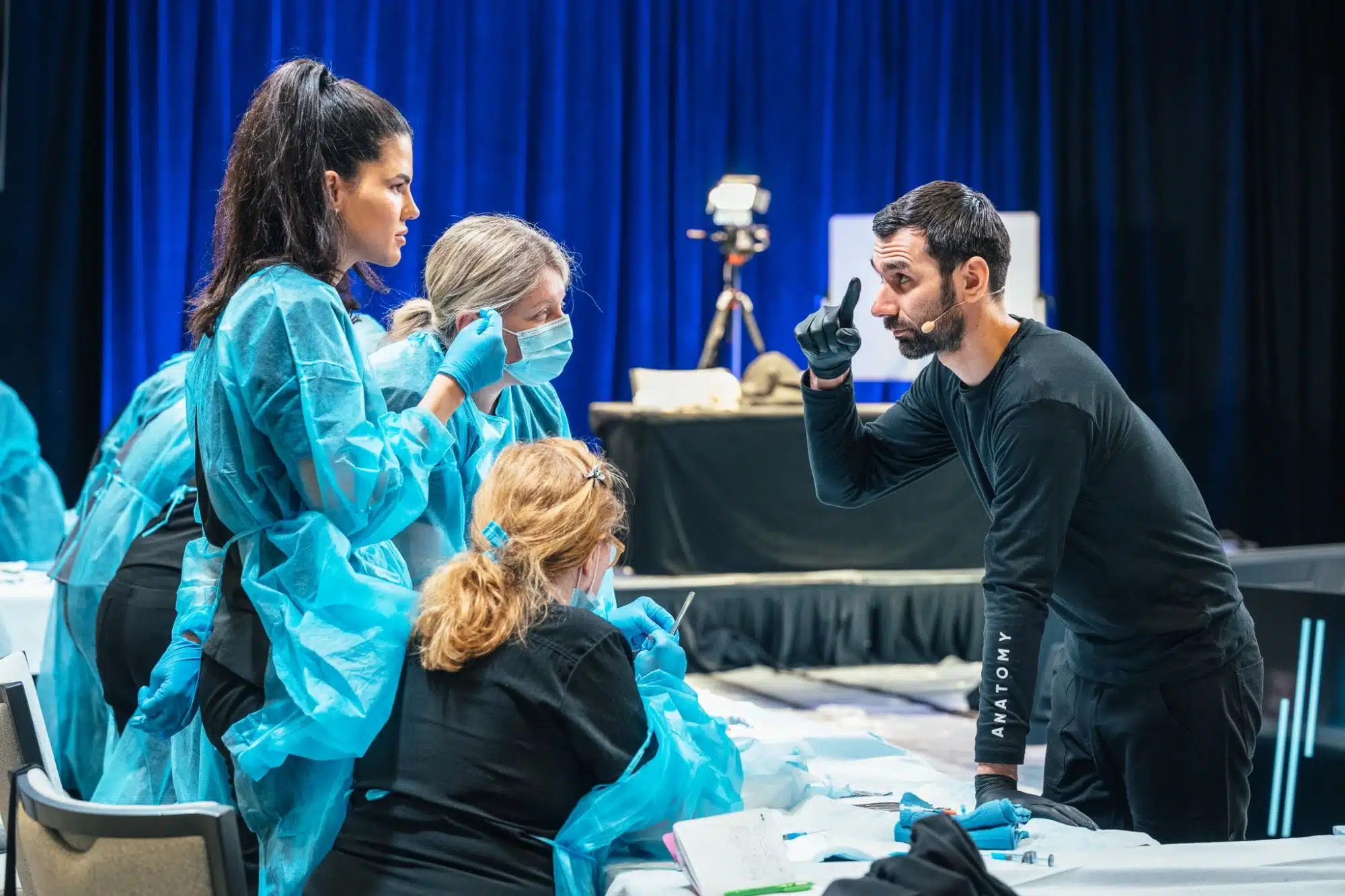
British Association of Medical Aesthetic Nurses (BAMAN) has announced the return of its flagship cadaveric anatomy programme this…

The Regenerative Aesthetics Multidisciplinary Conference & Exhibition (RAMCE) is set to return for a day full of dedicated regenerative…

Clinical-stage biotechnology company Absci has announced positive interim results from the Phase 1 HEADLINE™ clinical trial an investigational…