



Survey Reveals Rising Concern Over Facial Fat Loss Following Weight Loss
A new research survey discovered that 65% of women are concerned about experiencing facial fat loss in the…


The Advertising Standards Authority (ASA), the Medicines and Healthcare products Regulatory Agency (MHRA) and the General Pharmaceutical Council (GPhC) have issued a joint warning to businesses promoting weight-management medicines, reminding the sector that advertising rules surrounding prescription-only medicines (POMs) remain firmly in place.
The warning follows an increase in businesses promoting newly licensed medicines and products still undergoing regulatory review. Regulators have identified examples of clinics and providers advertising pipeline products, including newer oral and injectable weight-management medications, as well as encouraging patients to join waiting lists for treatments that are not yet available.
The joint statement reinforces that such marketing practices may breach UK advertising regulations.
Under the CAP Code, medicines must receive a licence from the MHRA before they can be marketed. Furthermore, prescription-only medicines and prescription-only medical treatments cannot be advertised directly to the public.
The regulators also highlighted that businesses should avoid referring to unlicensed or prescription-only products by name or using terminology such as “GLP-1 tablets”, “oral GLP-1s” or “new weight-loss tablets” in consumer advertising. This restriction also extends to promotions encouraging consumers to join waiting lists for these medicines.
The ASA’s Enforcement Notice outlines the potential action that may be taken against advertisers who fail to comply with the rules.
The warning reflects the rapid evolution of the medical weight-management sector, where demand for innovative treatments continues to grow.
Jess Tye, Regulatory Projects Manager at the ASA, said:
“The weight-management sector is fast-moving, and we regularly see new approaches in advertising from businesses. We remain vigilant to these changes and will continue to act swiftly where advertisers are not sticking to the rules. We expect advertisers to heed this warning to protect consumers and maintain a level playing field for businesses.”
The MHRA also stressed that medicines should never be treated as ordinary consumer products.
Julian Beach, Executive Director of Healthcare Quality and Access at the MHRA, explained that promoting medicines before they have received a UK Marketing Authorisation, or advertising prescription-only medicines directly to the public, is prohibited under the Human Medicines Regulations.
He added that consultations with qualified healthcare professionals remain the appropriate route for determining whether a treatment is suitable for an individual patient, emphasising that those responsible for marketing treatment services have a professional duty to safeguard both healthcare consultations and clinical decision-making.
The GPhC also warned that pharmacies and pharmacy professionals who fail to meet the required standards could face regulatory action.
Roz Gittins, Chief Pharmacy Officer at the GPhC, said the regulator would not hesitate to take enforcement action where necessary, including against pharmacy owners, Superintendent Pharmacists and individual registrants.
For aesthetic clinics and medical practitioners offering weight-management services, the message from regulators is clear: marketing materials should be reviewed as a matter of priority.
Businesses should ensure they are not advertising prescription-only medicines directly to consumers, promoting products that have yet to receive regulatory approval, or creating demand through waiting lists or promotional campaigns centred on specific medicines.
With regulatory scrutiny increasing, clinics are encouraged to focus their marketing on consultations, holistic weight-management services and patient education rather than promoting individual prescription medicines.
As the popularity of medical weight management continues to grow, regulators have made it clear that maintaining professional standards and protecting patients must remain at the forefront of all advertising activity.
Gain full access to peer-reviewed protocols, our extensive digital archive, and the Tri-annual print edition delivered to your clinic.
£
250
Per Year
Subscribe
Auto-renews annually. Cancel anytime.
Subscribe to our newsletter for the latest insights from the aesthetics industry.
Subscribe NowA new research survey discovered that 65% of women are concerned about experiencing facial fat loss in the…

Dermatology Aesthetic Nurses Association Ireland (DANAI) has announced the opening of early bird registration for its inaugural Aesthetics…

Leading distributor, Healthxchange has unveiled its new ‘Trust in Aesthetics’ campaign, a values-led initiative designed to champion the…
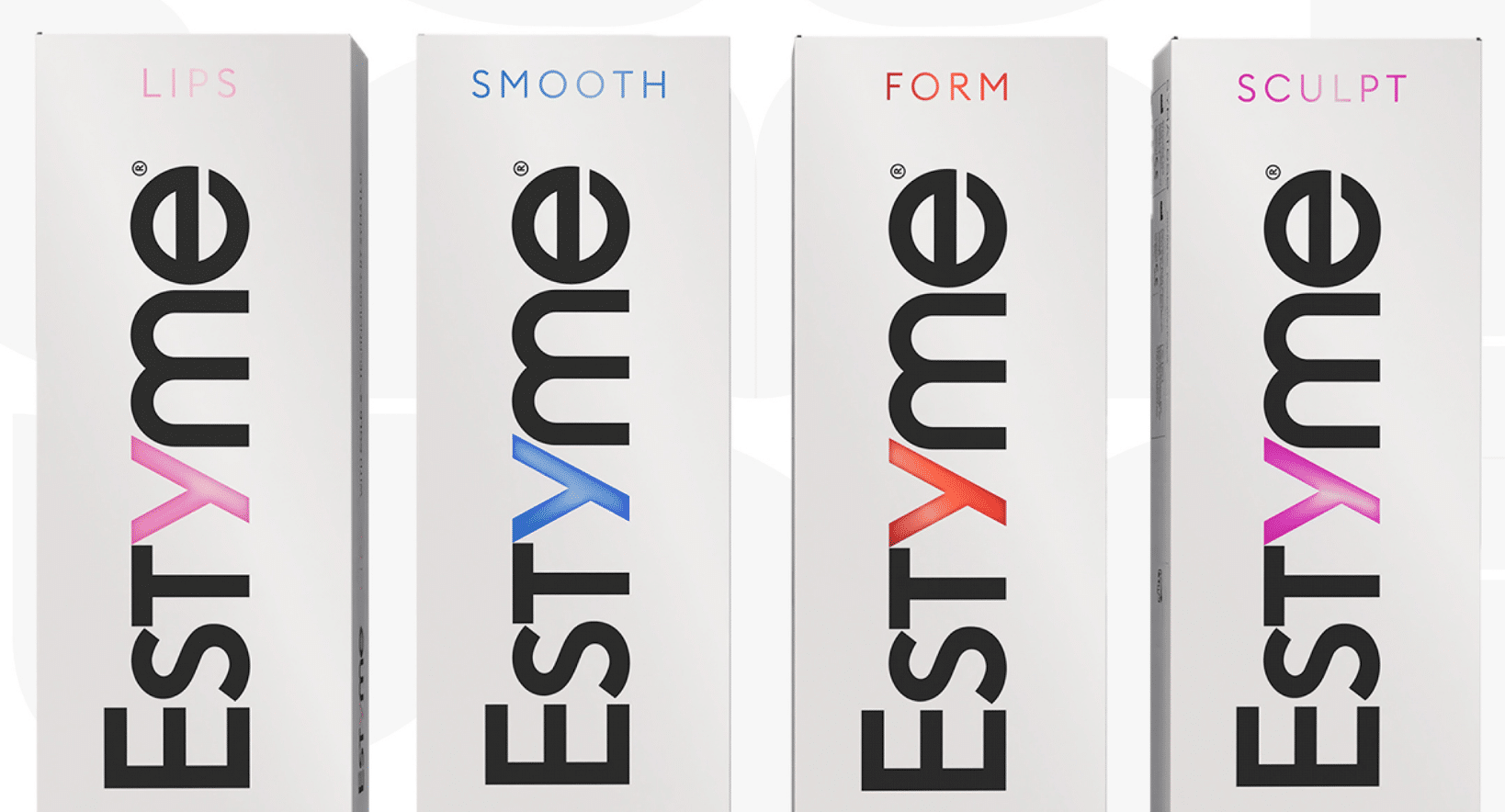
Performance beauty company, Evolus, has announced the European commercial launch of Estyme® — a new collection of injectable…

As peptide therapies grow in popularity, Dr Ben Coyle, GP & Aesthetics Doctor, at The Goldhill Clinic, explores…

The UK’s Medicines and Healthcare products Regulatory Agency (MHRA) has introduced improved safety warnings for all botulinum toxin…

Compounding pharmacy Roseway Labs has launched Statera, a new 12-week education-led weight management programme. As demand for treatments…

Harpar Grace International (HGI) has announced its expansion into the dental sector, unveiling a new commercial programme designed…

A new purpose-built surgical centre dedicated to skin cancer treatment and advanced dermatologic surgery is set to open…

AMANDA PEARSON With an extensive background in the corporate beauty industry and a passion for supporting business growth,…