


Survey Reveals Rising Concern Over Facial Fat Loss Following Weight Loss
A new research survey discovered that 65% of women are concerned about experiencing facial fat loss in the…

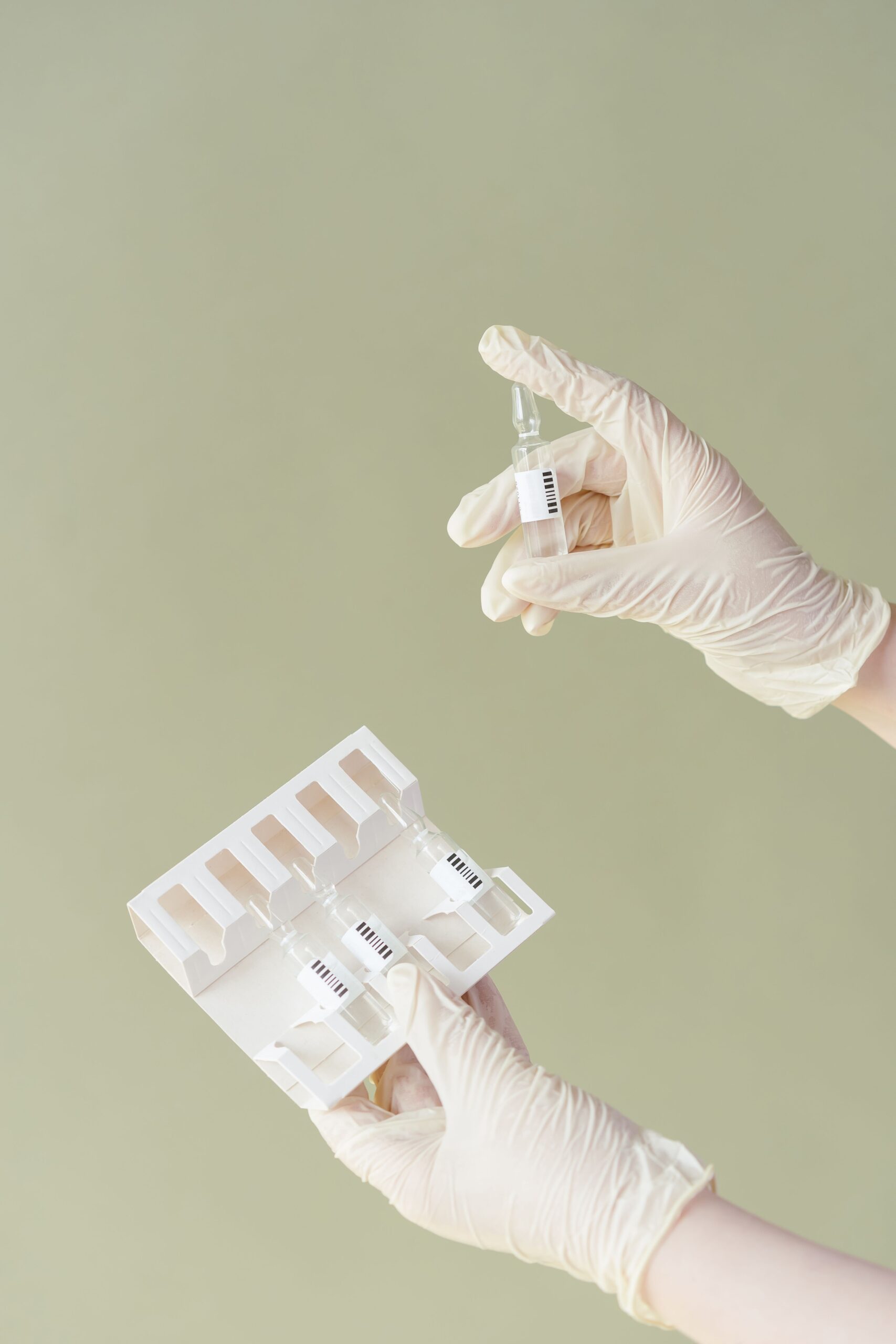
As peptide therapies grow in popularity, Dr Ben Coyle, GP & Aesthetics Doctor, at The Goldhill Clinic, explores the patient safety risks posed by the increasing availability of unregulated injectable products.
The rapid rise of peptide therapies has become an everyday part of modern medicine, from GLP-1 receptor agonists revolutionising the treatment of obesity and type 2 diabetes to regenerative peptides gaining traction in aesthetic medicine despite a lack of safety data and evidence of efficacy. They can offer genuine benefits when understood, sourced and prescribed appropriately. However, increasing awareness and demand has also fuelled a dangerous parallel market of counterfeit and unregulated injectable products that poses a growing risk to patient safety.
As a BCAM member and proud supporter of the College’s ‘Vet It Before You Get It’ campaign, I believe educating patients about safety has never been more important. The campaign encourages consumers to choose appropriately qualified medical professionals and to understand the importance of regulated medicines and responsible prescribing. The rapid growth of the unregulated peptide market demonstrates exactly why this education is so urgently needed.
In my own practice, I have become increasingly concerned by the pernicious messaging that suggests that with peptides, the sky’s the limit. That whatever issue you’re facing, there’s a jab to sort it. That this is being considered biohacking or wellness. I see or hear of increasing numbers of patients who have purchased injectable peptides online or sourced through social media, messaging platforms or overseas suppliers. Many assume they are simply finding a cheaper alternative, without appreciating the significant risks involved when injectable medicines are obtained outside legitimate pharmaceutical supply chains, or that they are almost certainly supporting criminal activity.
The issue became very real when my clinic unexpectedly received an unsolicited package containing several peptide products, made into professional-looking pre-filled injection pens. They had not been requested or ordered and appeared to have been sent as a marketing exercise. Among them was retatrutide, a next-generation triple hormone receptor agonist that has not as yet been approved for routine clinical use anywhere in the world. The presence of an investigational medicine being openly promoted outside regulated healthcare channels was deeply concerning. Equally worrying was that the products arrived through the post without any temperature-controlled packaging. There were no cold packs or insulated containers, making it impossible to know how long they had spent in transit or what temperatures they had been exposed to. For many peptide medicines, including GLP-1 therapies, maintaining the cold chain is essential to preserving product quality and stability.
Working alongside The Observer, the products were submitted for independent laboratory analysis. The testing confirmed that the vials did contain the peptides they claimed to contain. While that may sound reassuring, it does not mean the products were safe for patient use, and it suggests criminal networks must be actively involved in espionage, distribution and supply for these peptides to be available outside of highly restricted and closed trial environments.
Confirming the presence of an active ingredient is only one part of assessing the safety of an injectable medicine. Equally important is knowing it has been manufactured under Good Manufacturing Practice (GMP) standards, is sterile, free from bacterial contamination and harmful impurities, and has remained stable throughout transport and storage. Accurate dosing is also fundamental. Patients and clinicians must be confident that every vial contains the stated concentration and delivers the intended dose consistently. Without regulatory oversight, there is no independent verification that the labelled strength is correct, creating the potential for underdosing, overdosing and unpredictable clinical outcomes.
Patients should never assume that a product contains the advertised active ingredient – some seized products labelled as branded GLP-1s have been found to contain screenwash! Even when a parallel-market product does contain the advertised peptide, it does not mean it is safe to inject. Medicines regulation exists to provide assurance that products are manufactured, stored and supplied to the highest pharmaceutical standards. Ultimately, patient safety depends on far more than the name on the label or the ‘quality’ of the packaging. It depends on the integrity of the entire journey from manufacture and quality assurance to transport, storage, prescribing and clinical supervision.
That is why BCAM’s ‘Vet It Before You Get It’ campaign is so important. By encouraging patients to ask questions, choose appropriately qualified medical professionals and seek treatment through regulated healthcare settings, we can help protect them from a market where the risks are often invisible until it is too late.
Gain full access to peer-reviewed protocols, our extensive digital archive, and the Tri-annual print edition delivered to your clinic.
£
250
Per Year
Subscribe
Auto-renews annually. Cancel anytime.
Subscribe to our newsletter for the latest insights from the aesthetics industry.
Subscribe NowA new research survey discovered that 65% of women are concerned about experiencing facial fat loss in the…

Dermatology Aesthetic Nurses Association Ireland (DANAI) has announced the opening of early bird registration for its inaugural Aesthetics…

Leading distributor, Healthxchange has unveiled its new ‘Trust in Aesthetics’ campaign, a values-led initiative designed to champion the…
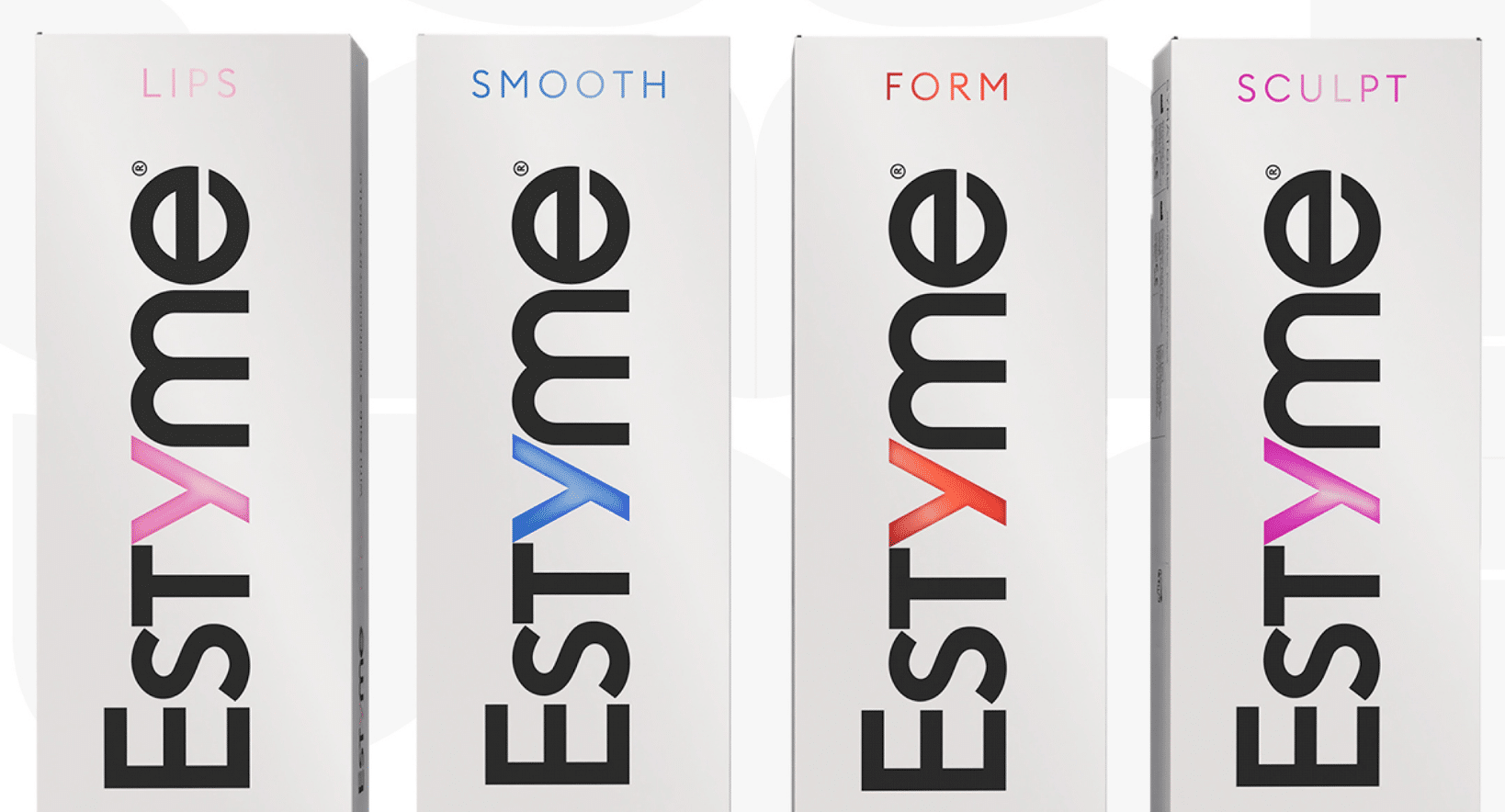
Performance beauty company, Evolus, has announced the European commercial launch of Estyme® — a new collection of injectable…
The UK’s Medicines and Healthcare products Regulatory Agency (MHRA) has introduced improved safety warnings for all botulinum toxin…

Compounding pharmacy Roseway Labs has launched Statera, a new 12-week education-led weight management programme. As demand for treatments…

Harpar Grace International (HGI) has announced its expansion into the dental sector, unveiling a new commercial programme designed…

A new purpose-built surgical centre dedicated to skin cancer treatment and advanced dermatologic surgery is set to open…

AMANDA PEARSON With an extensive background in the corporate beauty industry and a passion for supporting business growth,…

New research from Galderma highlights the growing impact of skin quality concerns on emotional wellbeing, while introducing a…