



Survey Reveals Rising Concern Over Facial Fat Loss Following Weight Loss
A new research survey discovered that 65% of women are concerned about experiencing facial fat loss in the…

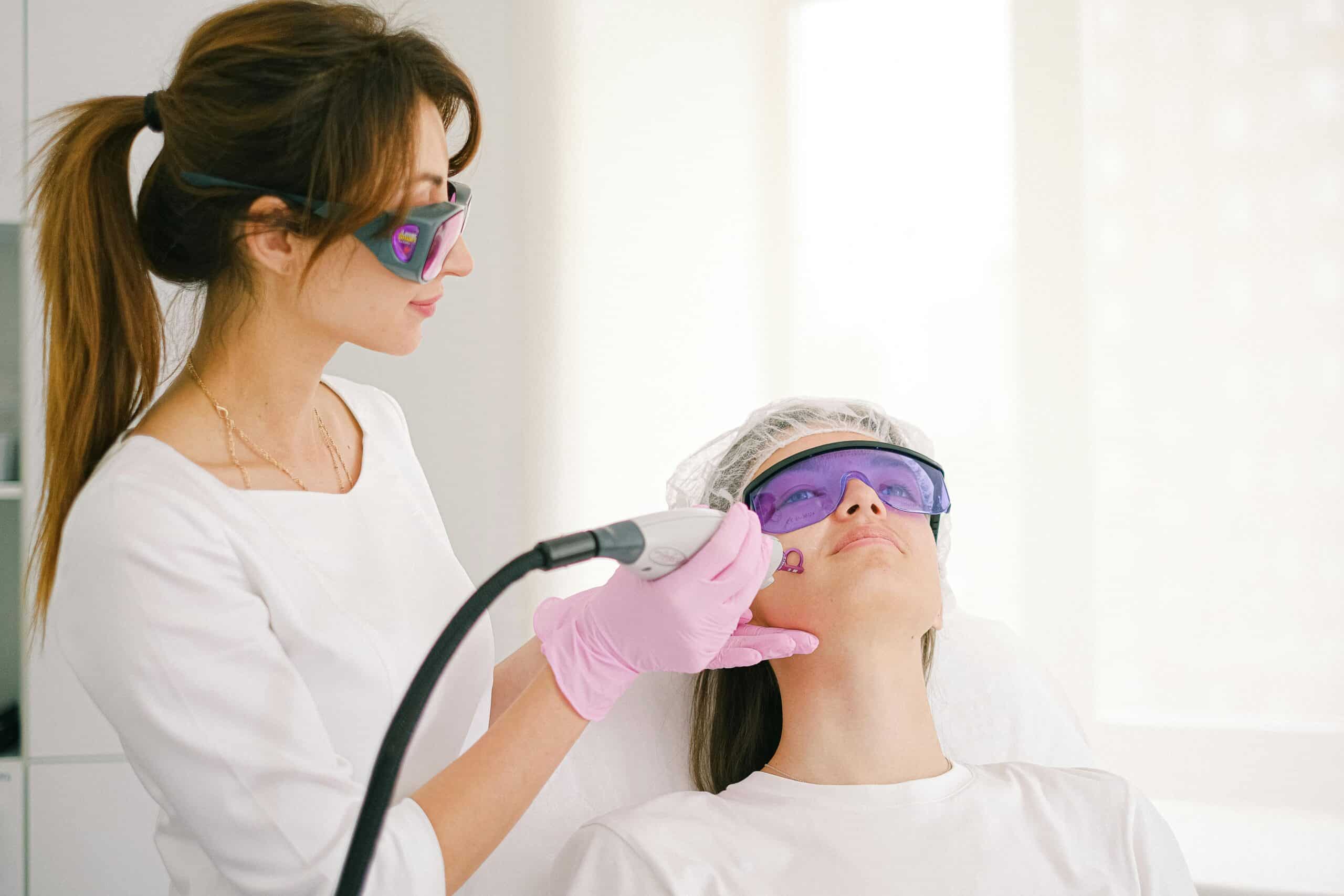
A new peer-reviewed study has provided the first in vivo human evidence that Candela’s Nordlys 1940 nm non-ablative fractional laser can remodel DNA methylation patterns associated with skin ageing, suggesting the treatment may work at a molecular level to improve skin health beyond its visible cosmetic effects.
Published in Scientific Reports (Nature Portfolio), the research was conducted in collaboration with Mitra Bio and the Candela Institute for Excellence (CIE). The findings indicate that the Nordlys laser not only improves the appearance of ageing skin but also influences the skin’s epigenome—the molecular mechanisms that regulate gene activity without altering DNA itself.
The split-face study involved 22 adults, with researchers analysing more than 3.8 million DNA methylation sites across the genome over a nine-month period.
According to the study, treatment reversed age-associated DNA methylation at 83.9% of the sites most strongly linked to skin ageing, suggesting a measurable shift towards a more youthful biological profile.
Researchers reported that these molecular changes developed progressively following treatment, with hundreds of differentially methylated regions identified one month after the treatment series. The effects continued to strengthen at three months and remained present and stabilising at six months.
Lead author Dr Konika Patel Schallen, Senior Vice President of Global Clinical Operations at Candela, said the findings help explain long-observed clinical outcomes.
“This study is an important first step toward understanding the biology beneath what we observe in the clinic. Physicians have seen that Nordlys treatments do more than improve the skin’s appearance and until now, we could not fully explain why.”
She added that the research provides evidence of the molecular mechanisms underlying healthier, more youthful-looking skin.
The molecular findings were accompanied by measurable improvements in skin appearance using quantitative VISIA imaging.
Researchers found that brown spot counts on the treated side of the face decreased by a median of 38% one month after treatment, significantly outperforming the untreated side. Improvements were also recorded in skin texture and overall pigmentation.
The study suggests these visible changes are linked to biological pathways involved in epidermal differentiation, collagen regeneration, collagen organisation and skin barrier integrity.
In addition to its findings on skin ageing, the study identified molecular changes affecting genes involved in keratinocyte regulation, including FGFR3, HOXB4, UBE2I, and PPP1R18/PPP1R26.
These genes have previously been associated with the development of basal cell and squamous cell skin cancers. While the study does not demonstrate that laser treatment prevents skin cancer, the authors say the observed DNA methylation changes provide a direct molecular link to skin cancer biology and support previous research suggesting an association with reduced keratinocyte carcinoma risk.
Dr Cristiana Banila, Chief Scientific Officer and co-founder of Mitra Bio, said the scale of the genomic analysis makes the findings particularly significant.
She said: “Epigenetic patterns are among the most reliable molecular markers for measuring ageing. By profiling more than 3.8 million sites across the genome, we found that the changes were not only directional, opposing the patterns we associate with ageing, but also durable and strengthening over months.”
Candela Chief Executive Officer Geoff Crouse said the research reflects the company’s continued investment in scientific innovation.
“For decades, the industry has measured treatment success by visible treatment impact,” he said. “This research not only quantifies those visible improvements but also demonstrates the impact of the Nordlys system on skin biology. We are proud to continue leading the conversation beyond cosmetic outcomes and into regenerative medicine, skin health and longevity.”
The study adds to the growing body of evidence exploring the biological mechanisms underpinning energy-based aesthetic treatments and may help shape future research into skin rejuvenation, regenerative medicine and healthy ageing.
Gain full access to peer-reviewed protocols, our extensive digital archive, and the Tri-annual print edition delivered to your clinic.
£
250
Per Year
Subscribe
Auto-renews annually. Cancel anytime.
Subscribe to our newsletter for the latest insights from the aesthetics industry.
Subscribe NowA new research survey discovered that 65% of women are concerned about experiencing facial fat loss in the…

Dermatology Aesthetic Nurses Association Ireland (DANAI) has announced the opening of early bird registration for its inaugural Aesthetics…
Leading distributor, Healthxchange has unveiled its new ‘Trust in Aesthetics’ campaign, a values-led initiative designed to champion the…
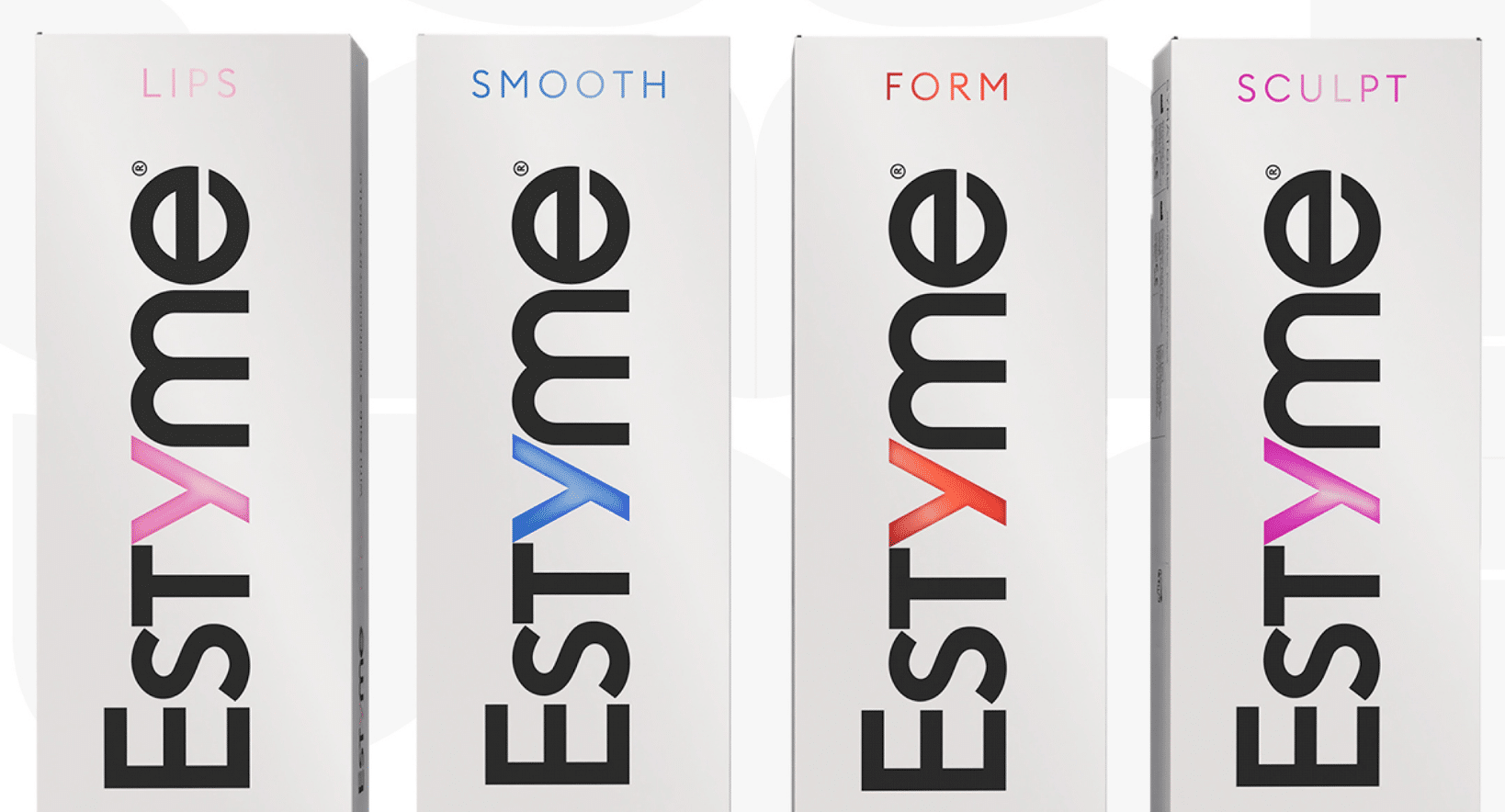
Performance beauty company, Evolus, has announced the European commercial launch of Estyme® — a new collection of injectable…
As peptide therapies grow in popularity, Dr Ben Coyle, GP & Aesthetics Doctor, at The Goldhill Clinic, explores…
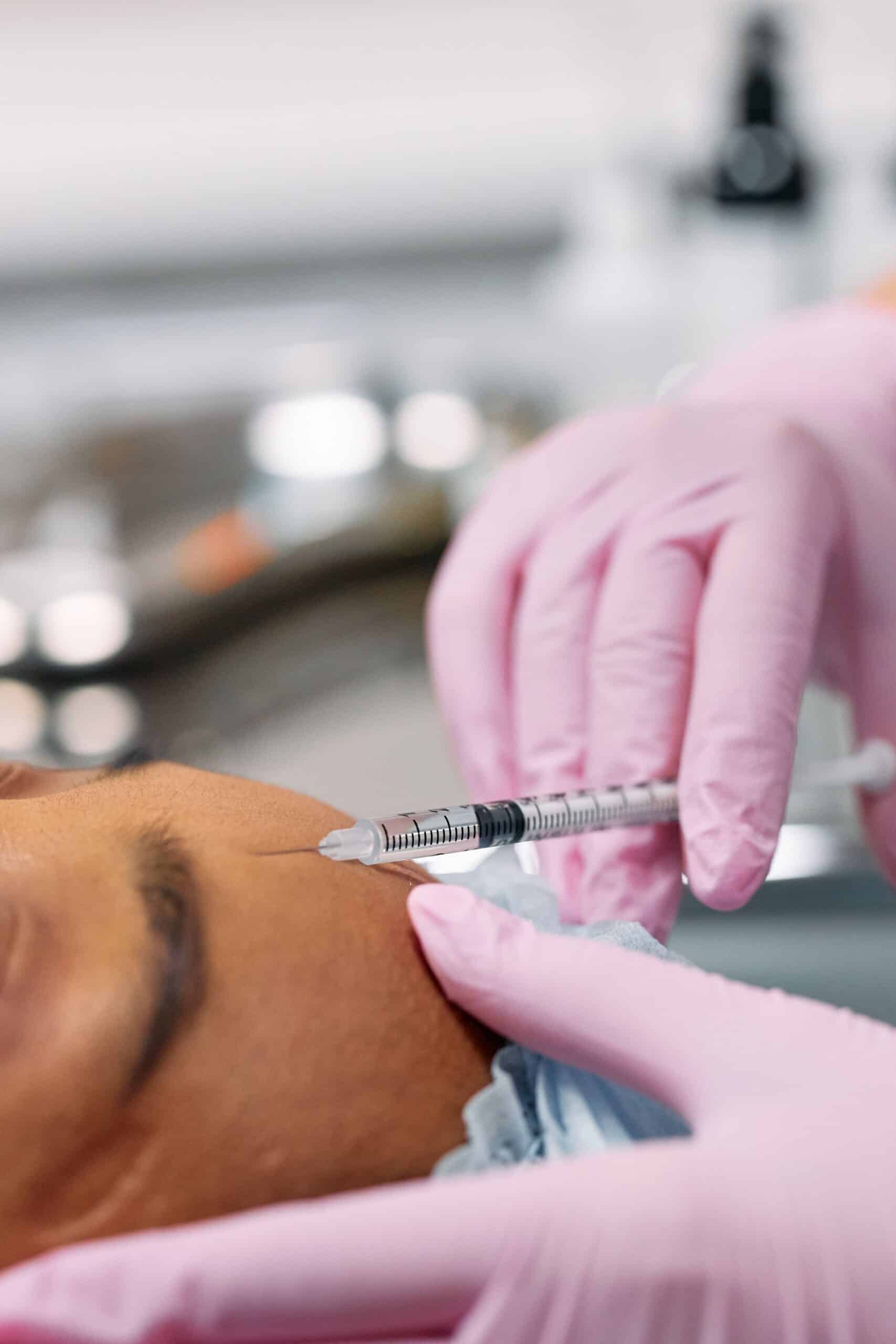
The UK’s Medicines and Healthcare products Regulatory Agency (MHRA) has introduced improved safety warnings for all botulinum toxin…

Compounding pharmacy Roseway Labs has launched Statera, a new 12-week education-led weight management programme. As demand for treatments…

Harpar Grace International (HGI) has announced its expansion into the dental sector, unveiling a new commercial programme designed…

A new purpose-built surgical centre dedicated to skin cancer treatment and advanced dermatologic surgery is set to open…

AMANDA PEARSON With an extensive background in the corporate beauty industry and a passion for supporting business growth,…