


Global Study Reveals What Really Drives Aesthetic Patients
A study published in the Aesthetic Surgery Journal found that confidence, self-expression and self-care – not simply the…

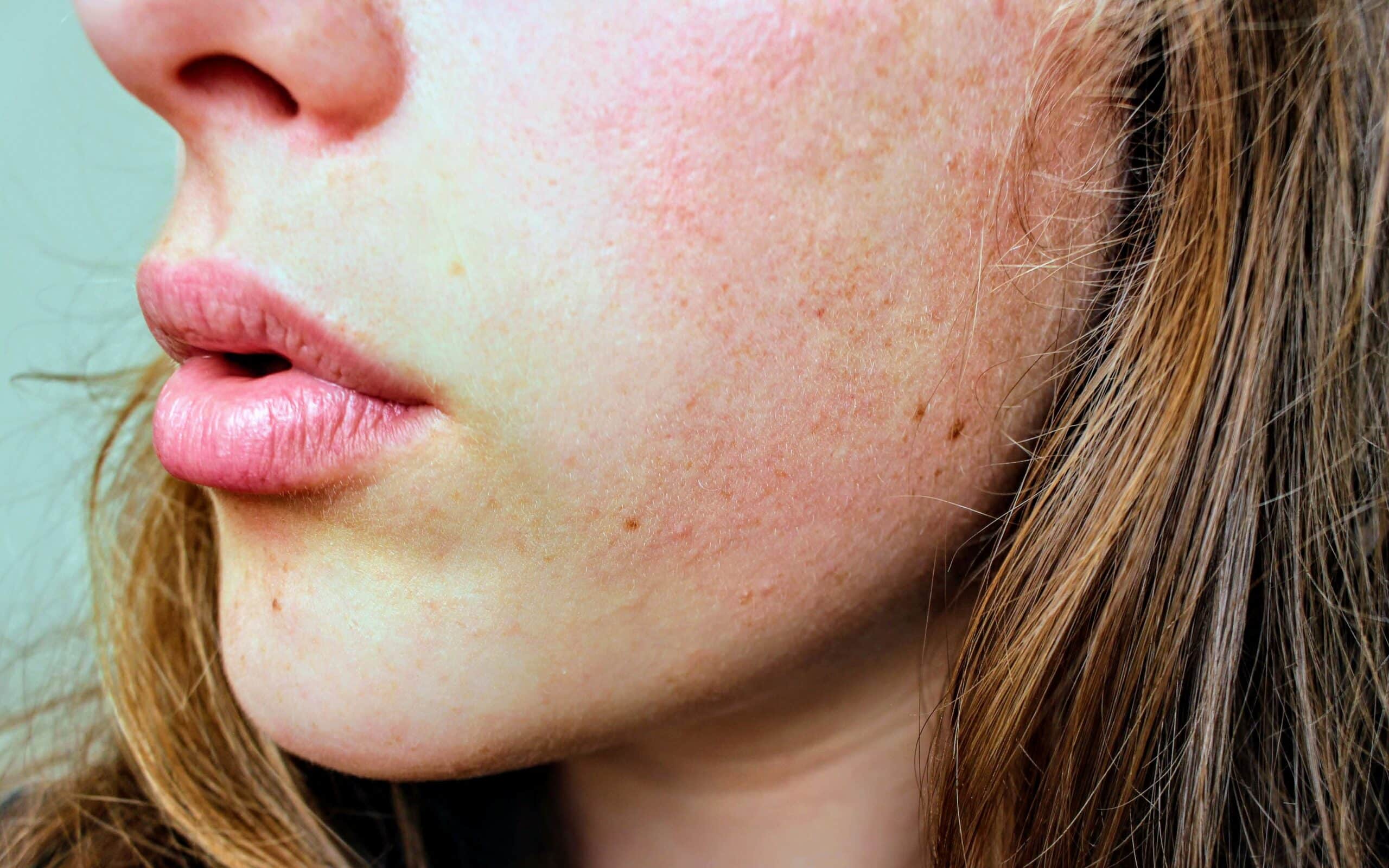
A new pilot study from the George Washington University School of Medicine and Health Sciences is shedding light on a long-debated question in dermatology: Is sensitive skin syndrome simply a subtype of rosacea, or is it an entirely distinct condition?
According to findings published in the Journal of the American Academy of Dermatology, researchers now have biologic evidence suggesting that sensitive skin syndrome (SSS) operates through different mechanisms than rosacea. This is a discovery that could influence how dermatologists diagnose and treat millions of patients worldwide.
Sensitive skin syndrome is characterised by symptoms such as burning, stinging, itching, tingling, tightness, redness, and discomfort triggered by environmental, hormonal, psychological, or chemical factors. Because many of these symptoms overlap with rosacea, the conditions are frequently confused in clinical settings.
To investigate whether the same inflammatory drivers linked to rosacea are also responsible for SSS, researchers examined 30 women between the ages of 30 and 50. Half of the participants had sensitive skin syndrome, while the remaining participants had non-sensitive skin.
Using advanced imaging techniques, the team evaluated the presence of Demodex folliculorum mites – microscopic organisms commonly associated with rosacea flare-ups. They also analysed skin protein samples to measure antimicrobial peptides tied to inflammation.
The findings revealed several notable distinctions between the two conditions.
Researchers found that Demodex mites appeared at similar rates in both sensitive and non-sensitive skin participants, suggesting the mites are unlikely to play a defining role in sensitive skin syndrome. In addition, two antimicrobial peptides frequently elevated in rosacea patients – cathelicidin and dermcidin – were significantly reduced in participants with SSS.
Together, the results suggest that the inflammatory pathways central to rosacea may not be responsible for sensitive skin syndrome.
“These findings further support our ongoing work that sensitive skin syndrome is a unique skin condition, not simply a milder form of rosacea, a condition well known for imparting skin sensitivity,” said Adam Friedman, professor and senior author of the study.
“This distinction matters because it can help clinicians avoid treatments that may not benefit sensitive skin patients and instead focus on over-the-counter and prescription therapies better aligned with the biology of the condition,” Friedman added.
Lead author Nikita Menta said the study offers important biologic evidence supporting sensitive skin syndrome as its own dermatologic condition.
“Understanding those differences is important for developing more precise diagnostic and treatment strategies,” Menta said.
Although researchers acknowledge the study’s limited sample size and emphasize the need for larger-scale investigations, the findings represent an important step toward redefining sensitive skin syndrome within dermatology.
As the beauty and skincare industries continue to prioritise barrier repair, anti-inflammatory formulations, and personalised skincare, the study may also influence how brands formulate products marketed for sensitive skin.
Gain full access to peer-reviewed protocols, our extensive digital archive, and the Tri-annual print edition delivered to your clinic.
£
250
Per Year
Subscribe
Auto-renews annually. Cancel anytime.
Subscribe to our newsletter for the latest insights from the aesthetics industry.
Subscribe NowA study published in the Aesthetic Surgery Journal found that confidence, self-expression and self-care – not simply the…

BTL Ireland has officially opened its new headquarters in Dublin, marking a significant investment in the company’s continued…
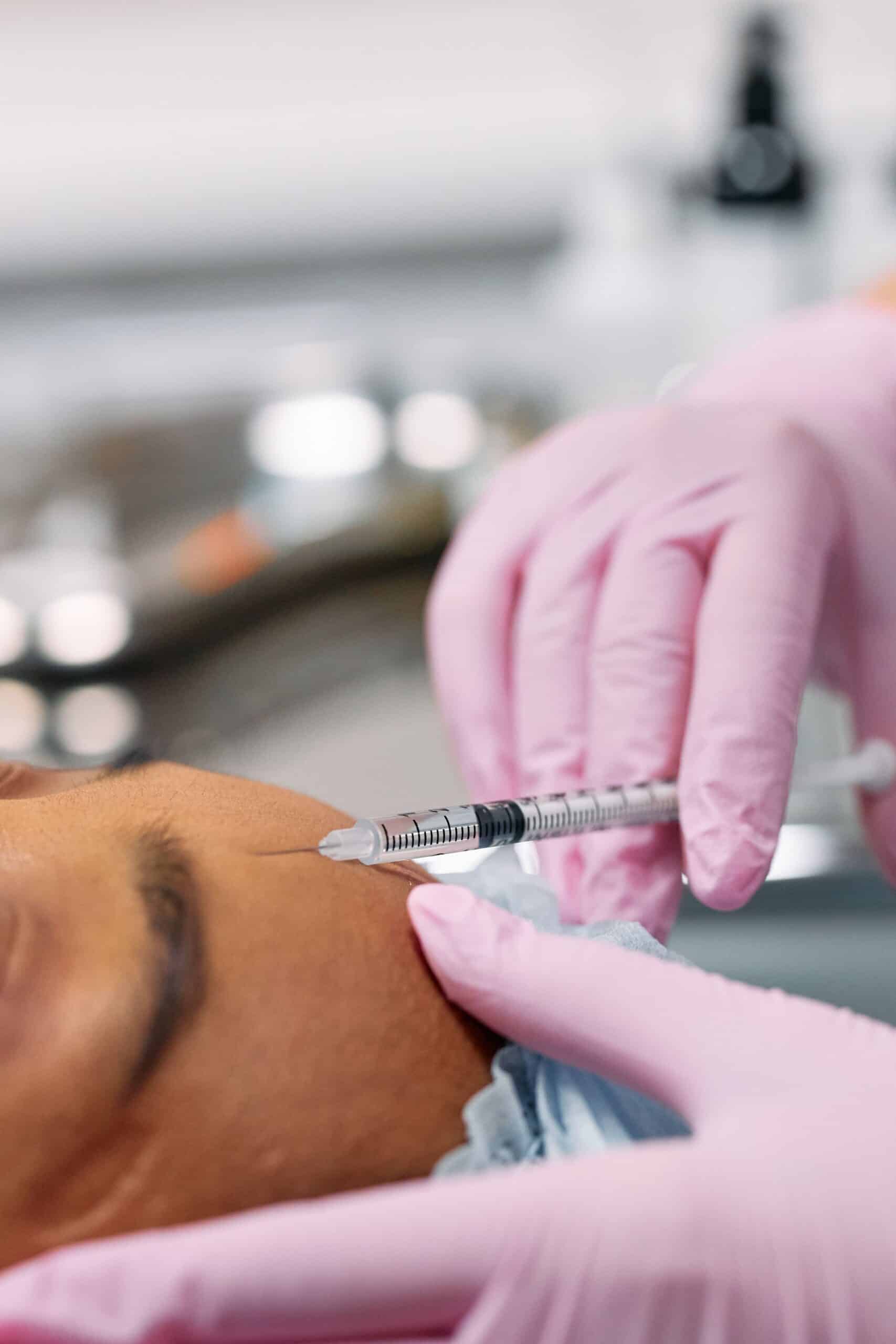
A new clinical governance initiative has been developed by ACE Group World to help enhance emergency preparedness in…

The British Association of Medical Aesthetic Nurses (BAMAN) has welcomed the UK Government’s Call for Evidence on proposals…

Skincare brand CellDerma has announced a new distribution partnership with Church Pharmacy, strengthening the brand’s presence across the…

Leading pharmaceutical company Allergan Aesthetics, an AbbVie company, has announced that they have received approval from the European…
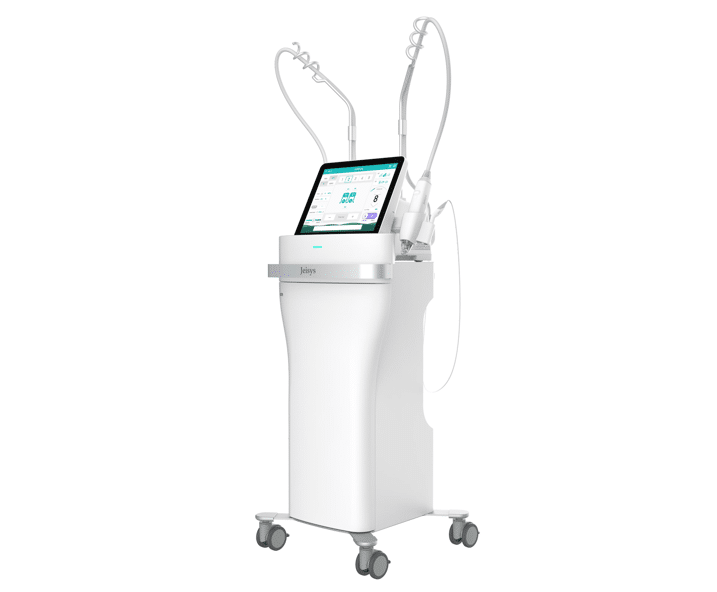
Leading Aesthetics distributor, Healthxchange, has been appointed the new UK and Ireland distributor for the Jeisys POTENZA Advanced…
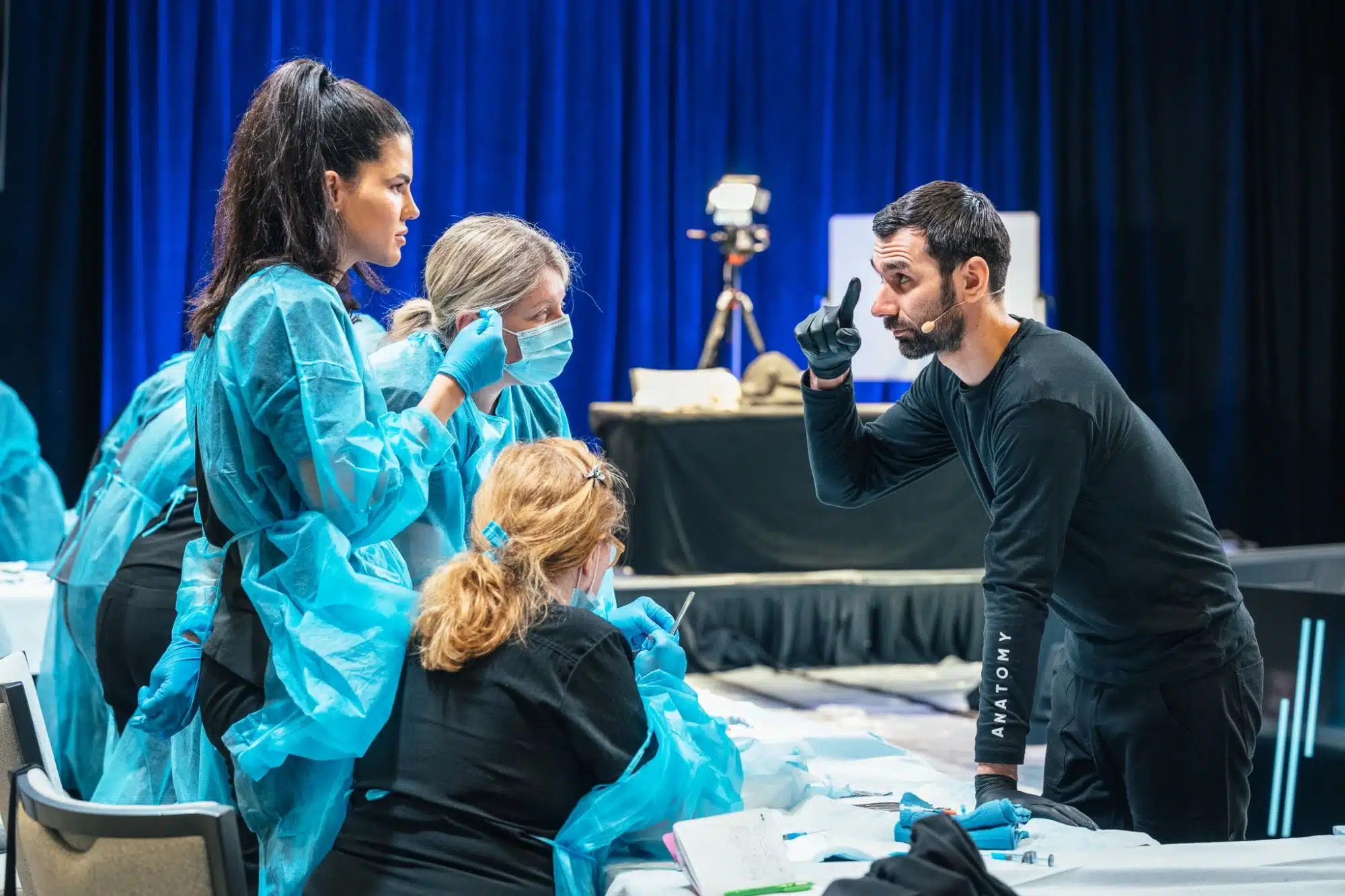
British Association of Medical Aesthetic Nurses (BAMAN) has announced the return of its flagship cadaveric anatomy programme this…

The Regenerative Aesthetics Multidisciplinary Conference & Exhibition (RAMCE) is set to return for a day full of dedicated regenerative…

Clinical-stage biotechnology company Absci has announced positive interim results from the Phase 1 HEADLINE™ clinical trial an investigational…