



Global Study Reveals What Really Drives Aesthetic Patients
A study published in the Aesthetic Surgery Journal found that confidence, self-expression and self-care – not simply the…


The Royal College of Surgeons in Ireland (RCSI) has launched a major new report outlining a comprehensive framework for the safe, ethical and effective integration of artificial intelligence (AI) across surgical practice in Ireland.
Titled Artificial Intelligence and Digital Surgery, the report was developed by an RCSI Short Life Working Group appointed by RCSI President Professor Deborah McNamara and chaired by Professor Micheál Ó Ríordáin. It explores how AI and emerging digital technologies are set to transform surgical care, medical training and the patient experience in the years ahead.
The report highlights the significant opportunities AI presents for healthcare, including improving diagnostic accuracy, enhancing surgical precision, supporting clinical decision-making and enabling more personalised patient care. At the same time, it addresses important concerns surrounding patient safety, governance, regulation, algorithmic bias and workforce readiness.
Central to the report is the message that while AI has the potential to revolutionise surgery, it must remain a support tool rather than a replacement for clinical expertise. The framework strongly advocates for a “human in the loop” approach, ensuring surgeons retain responsibility for decision-making and patient care.
Launching the report, Professor Deborah McNamara, President of RCSI, said the rapid advancement of AI technologies is already beginning to reshape healthcare delivery globally.
“Artificial intelligence and digital technologies are advancing at an unprecedented pace and are set to fundamentally reshape the delivery of surgical care, the training of our workforce and the experience of patients,” she said.
“This report provides a clear and balanced roadmap, embracing innovation while ensuring patient safety, ethical practice and the continued central role of the surgeon in clinical decision-making.”
It outlines how AI could support surgeons throughout the entire patient journey – from earlier diagnosis and more effective operative planning to enhanced intra-operative guidance, post-operative monitoring and evolving ‘hospital at home’ care models.
It also highlights the increasing role of advanced technologies such as robotics, augmented reality and data-driven clinical decision support systems within modern surgical practice.
Professor Micheál Ó Ríordáin, Chair of the Working Group on Artificial Intelligence and Digital Surgery, described AI as a powerful tool capable of enhancing both the quality and accessibility of surgical care.
“Artificial intelligence and digital technologies have the potential to significantly enhance the quality, efficiency and accessibility of surgical care,” he said.
“They should be seen as tools to augment the surgeon’s role, enabling better diagnosis, more precise treatments and more streamlined care pathways. However, their implementation must be carefully governed to ensure they are safe, trustworthy, transparent and aligned with the needs of patients.”
The report sets out a series of key recommendations designed to support the responsible integration of AI into healthcare systems. These include embedding AI and digital medicine into surgical education and training, establishing stronger governance and regulatory frameworks, improving cybersecurity and data protection, and equipping surgeons with the skills required to safely evaluate and adopt emerging technologies.
In addition, the report also positions RCSI as a central leader in policy development, innovation and research within the rapidly evolving field of digital surgery.
The framework calls for closer collaboration between clinicians, healthcare providers, policymakers, regulators, industry and patients to ensure AI technologies are introduced in ways that deliver meaningful clinical benefits while minimising risks.
As AI continues to expand across medicine and aesthetics alike, the report reflects a broader shift within healthcare towards integrating advanced digital technologies while maintaining ethical oversight, transparency and patient-centred care.
For aesthetic practitioners and healthcare professionals, the report serves as a timely reminder that while innovation can drive significant improvements in patient outcomes and clinical efficiency, successful adoption depends on governance, education and maintaining the human expertise at the centre of care.
RCSI Launches Landmark AI and Digital Surgery Framework to Shape the Future of Surgical Care
Gain full access to peer-reviewed protocols, our extensive digital archive, and the Tri-annual print edition delivered to your clinic.
£
250
Per Year
Subscribe
Auto-renews annually. Cancel anytime.
Subscribe to our newsletter for the latest insights from the aesthetics industry.
Subscribe NowA study published in the Aesthetic Surgery Journal found that confidence, self-expression and self-care – not simply the…

BTL Ireland has officially opened its new headquarters in Dublin, marking a significant investment in the company’s continued…

A new clinical governance initiative has been developed by ACE Group World to help enhance emergency preparedness in…

The British Association of Medical Aesthetic Nurses (BAMAN) has welcomed the UK Government’s Call for Evidence on proposals…

Skincare brand CellDerma has announced a new distribution partnership with Church Pharmacy, strengthening the brand’s presence across the…

Leading pharmaceutical company Allergan Aesthetics, an AbbVie company, has announced that they have received approval from the European…
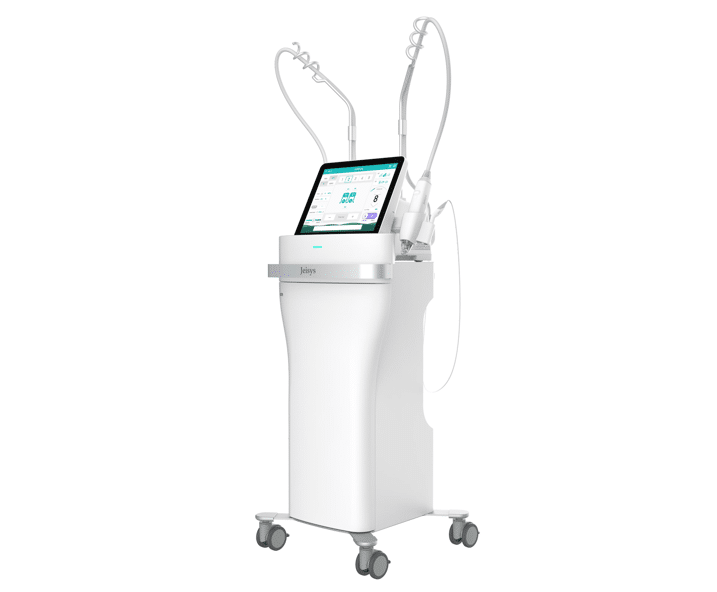
Leading Aesthetics distributor, Healthxchange, has been appointed the new UK and Ireland distributor for the Jeisys POTENZA Advanced…

British Association of Medical Aesthetic Nurses (BAMAN) has announced the return of its flagship cadaveric anatomy programme this…

The Regenerative Aesthetics Multidisciplinary Conference & Exhibition (RAMCE) is set to return for a day full of dedicated regenerative…

Clinical-stage biotechnology company Absci has announced positive interim results from the Phase 1 HEADLINE™ clinical trial an investigational…