



Global Study Reveals What Really Drives Aesthetic Patients
A study published in the Aesthetic Surgery Journal found that confidence, self-expression and self-care – not simply the…

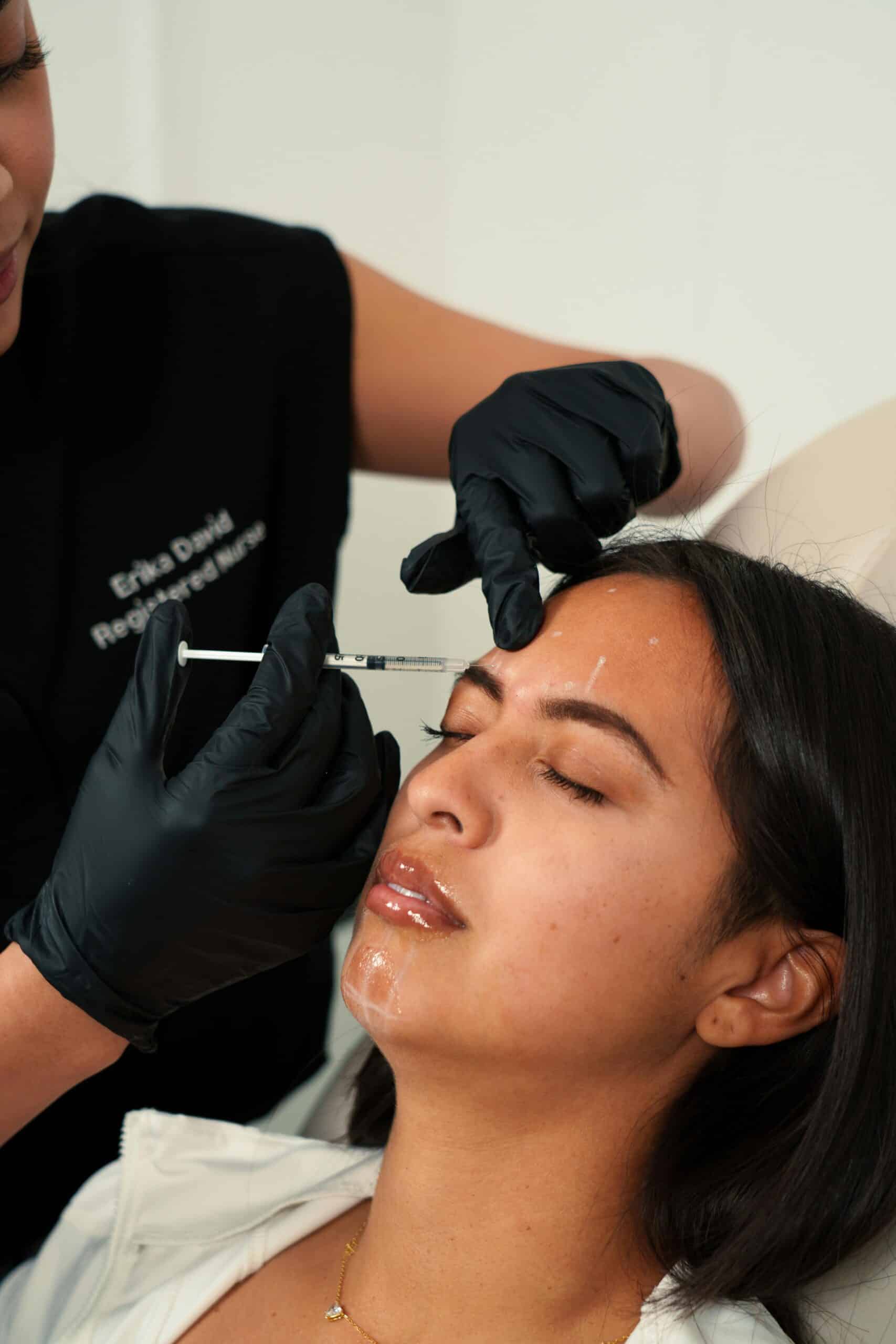
Dentists and dental surgeons are among the most accomplished clinicians in aesthetic medicine. Their extensive understanding of facial anatomy makes their skills highly transferable to the field of facial aesthetics. Despite their significant presence within the aesthetics sector, however, guidance from the GDC regarding scope of practice has often lacked clarity.
The publication of the updated Scope of Practice guidance by the General Dental Council has triggered significant discussion among dentists involved in facial aesthetics and aesthetic medicine. While the regulator insists the revisions do not fundamentally change the scope of practice for dental professionals, the practical impact on dentists providing non-dental aesthetic treatments has been substantial.
For many clinicians, the updated guidance has marked a transition away from broad interpretation and toward a more tightly scrutinised, evidence-based definition of competence, training, and indemnified practice.
A Shift from “What You Can Do” to “Why You Should Do It”
Historically, many dentists entering aesthetic medicine relied on the anatomical expertise developed through dental training to justify procedures such as botulinum toxin injections, dermal fillers, skin rejuvenation treatments, and lower-face harmonisation.
The revised guidance from the General Dental Council places stronger emphasis on three core principles:
The new framework also removes some of the older task-based descriptions and replaces them with broader role definitions centred on professional judgment.
This change may appear subtle, but for dentists practising aesthetic medicine, it has important consequences. Previously, many practitioners interpreted the lack of explicit prohibition as tacit acceptance. Under the updated guidance, clinicians are expected to justify how a procedure aligns with their professional role and competency framework.
Increased Scrutiny Around Facial Aesthetics
One of the biggest impacts has been the increased scrutiny of facial aesthetic treatments that extend beyond oral and perioral structures.
Dentists have long occupied a unique position within facial aesthetics because of their extensive knowledge of facial anatomy, injection techniques, and medical emergencies. However, critics within wider healthcare have questioned whether some cosmetic procedures fall outside traditional dentistry.
The updated guidance reinforces that dental professionals must practise “within the boundaries of their professional title” and only undertake work for which they are specifically trained and insured.
As a result, many indemnity providers have become more cautious. Some dentists report more detailed underwriting questionnaires, stricter documentation requirements, and limitations on higher-risk aesthetic procedures unless advanced postgraduate training can be demonstrated.
For practitioners whose businesses heavily depend on cosmetic injectables, this has created operational uncertainty.
Greater Importance of Formal Training
The guidance has accelerated a broader professional trend: aesthetic medicine can no longer be approached as a weekend-course add-on.
Dentists are increasingly pursuing:
This evolution has arguably professionalised the sector. The emphasis on competency and defensible training pathways aligns aesthetic dentistry more closely with regulated healthcare rather than beauty services.
The updated GDC position also strengthens the expectation that dentists should be able to demonstrate:
These standards mirror broader healthcare governance trends seen across medicine and surgery.
The Commercial Impact on Dental Practices
Over the past decade, facial aesthetics became an important diversification strategy for many dental practices. Non-surgical cosmetic treatments offered:
The revised guidance has not eliminated these opportunities, but it has introduced a more compliance-heavy environment.
Practice owners are now reviewing:
Some clinics have reduced the range of aesthetic treatments they provide, focusing only on procedures clearly connected to dental and lower-face aesthetics. Others have invested heavily in advanced education to continue operating confidently within the new framework.
Advertising and Ethical Communication
Another emerging issue is professional transparency.
The General Dental Council continues to emphasise honest communication and avoidance of misleading claims. This has implications for how dentists market aesthetic services online, particularly where branding resembles medical specialist practice.
Dentists offering aesthetic medicine are becoming more careful about:
The guidance indirectly reinforces the idea that aesthetic medicine must remain healthcare-led rather than purely commercially driven.
A Divided Professional Response
Reaction within the profession has been mixed.
Supporters argue the revised framework improves patient safety, raises educational standards, and protects the credibility of dentists working ethically in aesthetics.
Critics, however, believe the guidance leaves too much open to interpretation. Because the GDC deliberately avoided creating exhaustive lists of permitted procedures, practitioners are often left relying on indemnifiers, training providers, and legal advice to determine whether specific treatments fall within their defensible scope of practice.
This ambiguity has created anxiety for some clinicians, particularly those practising full-time aesthetic medicine rather than conventional dentistry.
The Future of Dentistry and Aesthetic Medicine
Despite the uncertainty, dentists are unlikely to disappear from the aesthetics sector. In fact, the opposite may occur.
The clinicians most likely to thrive under the updated rules will be those who:
The updated Scope of Practice guidance may ultimately push aesthetic dentistry toward greater maturity as a clinical discipline.
For the profession, the message from the General Dental Council is clear: competence is no longer assumed. It must be demonstrated, documented, and continually maintained.
Gain full access to peer-reviewed protocols, our extensive digital archive, and the Tri-annual print edition delivered to your clinic.
£
250
Per Year
Subscribe
Auto-renews annually. Cancel anytime.
Subscribe to our newsletter for the latest insights from the aesthetics industry.
Subscribe NowA study published in the Aesthetic Surgery Journal found that confidence, self-expression and self-care – not simply the…

BTL Ireland has officially opened its new headquarters in Dublin, marking a significant investment in the company’s continued…

A new clinical governance initiative has been developed by ACE Group World to help enhance emergency preparedness in…

The British Association of Medical Aesthetic Nurses (BAMAN) has welcomed the UK Government’s Call for Evidence on proposals…

Skincare brand CellDerma has announced a new distribution partnership with Church Pharmacy, strengthening the brand’s presence across the…

Leading pharmaceutical company Allergan Aesthetics, an AbbVie company, has announced that they have received approval from the European…

Leading Aesthetics distributor, Healthxchange, has been appointed the new UK and Ireland distributor for the Jeisys POTENZA Advanced…
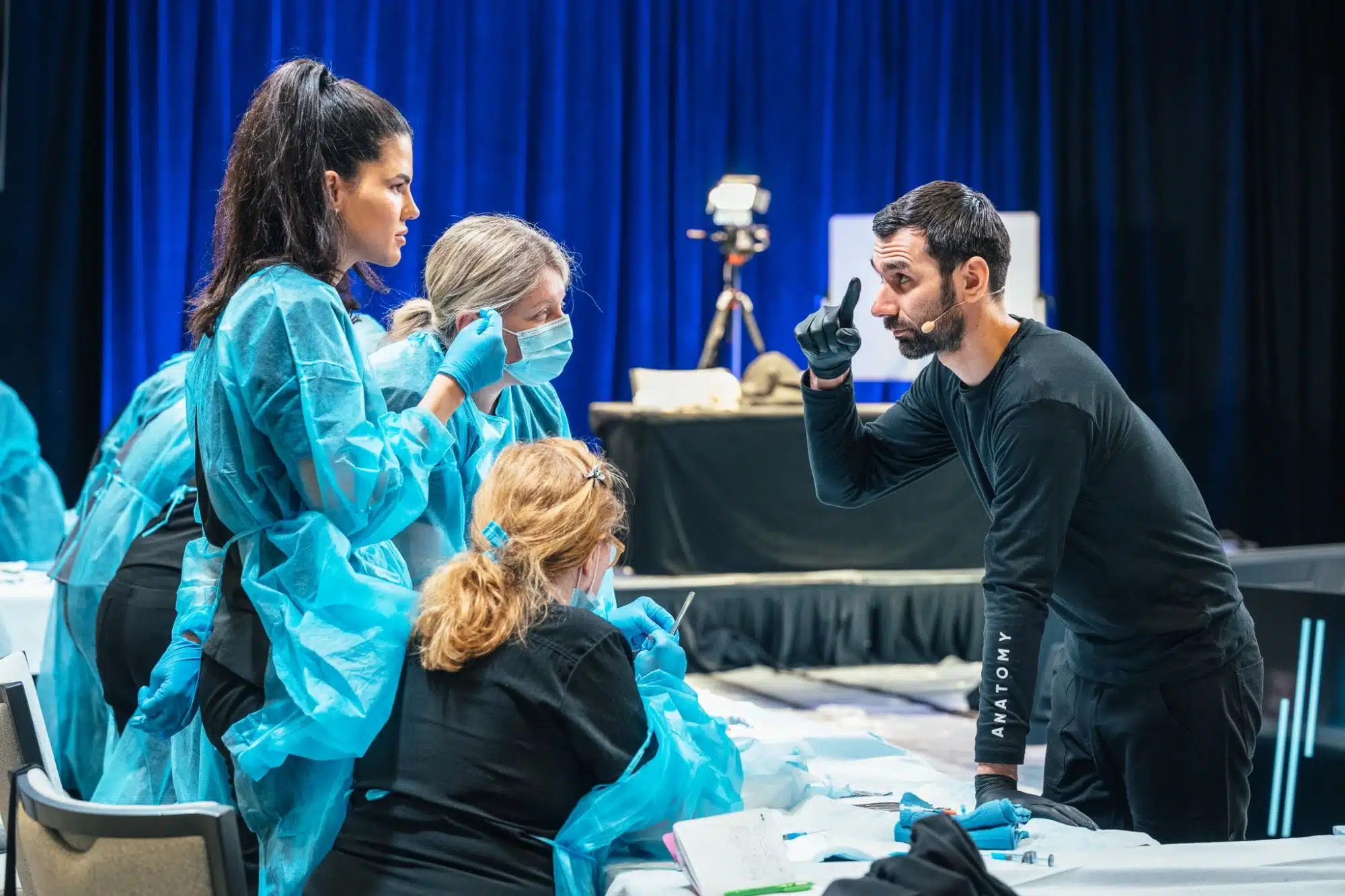
British Association of Medical Aesthetic Nurses (BAMAN) has announced the return of its flagship cadaveric anatomy programme this…

The Regenerative Aesthetics Multidisciplinary Conference & Exhibition (RAMCE) is set to return for a day full of dedicated regenerative…

Clinical-stage biotechnology company Absci has announced positive interim results from the Phase 1 HEADLINE™ clinical trial an investigational…