



BTL Ireland Hosts Launch Event of New Dublin Headquarters
BTL Ireland has officially opened its new headquarters in Dublin, marking a significant investment in the company’s continued…


A study published in the Aesthetic Surgery Journal found that confidence, self-expression and self-care – not simply the desire to look younger or more attractive – are among the strongest motivations for people seeking aesthetic treatments.
The multinational Pillars of Confidence study surveyed more than 15,000 adults across 15 countries, making it one of the largest global investigations into the psychological drivers behind aesthetic medicine. The findings offer valuable insights for practitioners, suggesting that patients increasingly view aesthetic treatments as part of their overall wellbeing rather than purely cosmetic interventions.
The survey included 15,155 adults aged 21 to 75 years who had undergone an aesthetic treatment within the previous 12 months or were considering treatment within the next two years. Researchers explored attitudes towards confidence, self-image, ageing and aesthetic procedures, revealing a complex relationship between appearance and emotional wellbeing.
One of the study’s most interesting findings was that self-confidence and appearance concerns often coexist. While most respondents described themselves as confident, resilient and intentional, 62% reported being very concerned about their appearance, and more than half admitted being critical of the way they looked.
Rather than reflecting low self-esteem, the researchers suggest this represents a mismatch between how people feel internally and how they perceive their outward appearance. Indeed, only around two-thirds of respondents felt their appearance reflected how they felt inside.
For aesthetic practitioners, this reinforces the message that patients are often seeking harmony rather than perfection.
The study also found that patients increasingly regard aesthetic treatments as an extension of self-care. Among those who had previously received treatment, 55% considered aesthetic procedures an important part of their self-care routine, while 41% said they had incorporated treatments into their regular beauty regimen.
Importantly, the emotional benefits extended well beyond satisfaction with physical results. After treatment, 82% of patients reported feeling satisfied, while many also described feeling refreshed (79%), rejuvenated (77%), empowered (73%) and more alive (72%). More than two-thirds reported feeling a greater sense of control following treatment.
These findings highlight the growing recognition that aesthetic medicine can positively influence psychological wellbeing alongside physical appearance.
Authenticity emerged as another central theme throughout the research. Patients were not primarily seeking dramatic transformations but rather treatments that helped their appearance better reflect their identity.
Among respondents who had undergone treatment, 69% said they wanted their appearance to match how they felt inside, 65% felt treatments helped them stay true to themselves, and 62% viewed aesthetic procedures as a form of self-expression.
This preference for subtle enhancement was reflected in another key finding: 79% preferred natural-looking results.
The consultation room therefore remains the ideal place to understand each patient’s personal motivations and define treatment goals that prioritise authenticity over alteration.
Contrary to popular belief, the study found that social media was not the strongest influence on self-perception. Instead, respondents identified partners, spouses, family members, friends and healthcare professionals as having the greatest impact on how they viewed themselves.
Although younger participants reported greater influence from social media than older generations, close personal relationships consistently ranked higher than influencers, celebrities or advertising.
This finding reinforces the important role aesthetic practitioners play in helping patients develop realistic expectations and make informed treatment decisions.
The study also explored attitudes towards ageing. While 67% accepted ageing as a natural part of life, many still expressed concerns about its visible effects. Nearly half worried their appearance would decline with age, and over half preferred not to look older than they actually were.
Interestingly, respondents did not necessarily view aesthetic treatments as an attempt to resist ageing. Instead, many saw them as a way of maintaining the connection between their external appearance and their internal sense of self.
Generational differences were also evident. ‘Millennials’ and ‘Gen Z’ were generally more positive about aesthetic treatments than ‘Baby Boomers’, who were less likely to have undergone previous procedures and less likely to view treatments as part of their routine self-care. Nevertheless, interest in aesthetic medicine was seen across every age group surveyed.
Like all survey-based research, the study has limitations. Responses were self-reported, participants were recruited online, and cultural differences across the 15 participating countries may have influenced attitudes towards beauty and aesthetic medicine. The research also did not assess clinical outcomes or analyse responses by treatment type or gender.
Even so, the findings provide valuable insight into today’s aesthetic patient.
Rather than being driven by vanity, many patients are seeking confidence, authenticity and emotional wellbeing. For clinicians, understanding these motivations may be just as important as selecting the right treatment. As aesthetic medicine continues to evolve, successful outcomes are increasingly measured not only by what patients see in the mirror, but by how they feel about themselves afterwards.
Gain full access to peer-reviewed protocols, our extensive digital archive, and the Tri-annual print edition delivered to your clinic.
£
250
Per Year
Subscribe
Auto-renews annually. Cancel anytime.
Subscribe to our newsletter for the latest insights from the aesthetics industry.
Subscribe NowBTL Ireland has officially opened its new headquarters in Dublin, marking a significant investment in the company’s continued…
A new clinical governance initiative has been developed by ACE Group World to help enhance emergency preparedness in…

The British Association of Medical Aesthetic Nurses (BAMAN) has welcomed the UK Government’s Call for Evidence on proposals…

Skincare brand CellDerma has announced a new distribution partnership with Church Pharmacy, strengthening the brand’s presence across the…

Leading pharmaceutical company Allergan Aesthetics, an AbbVie company, has announced that they have received approval from the European…
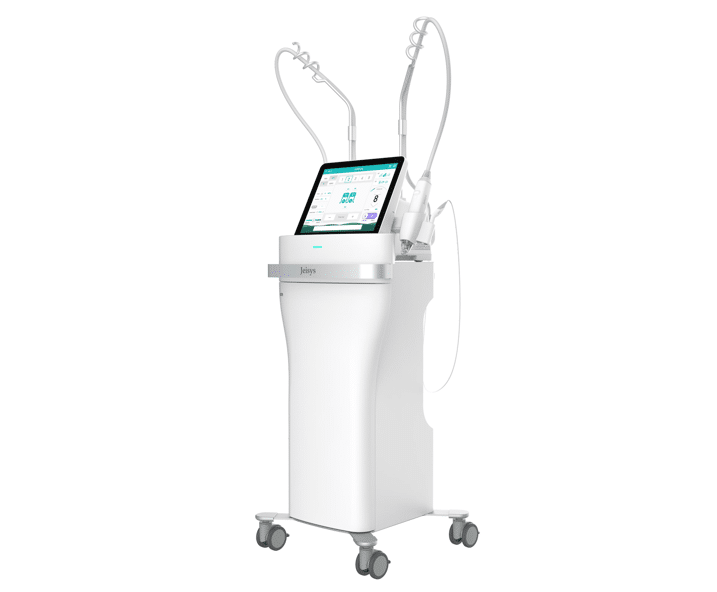
Leading Aesthetics distributor, Healthxchange, has been appointed the new UK and Ireland distributor for the Jeisys POTENZA Advanced…
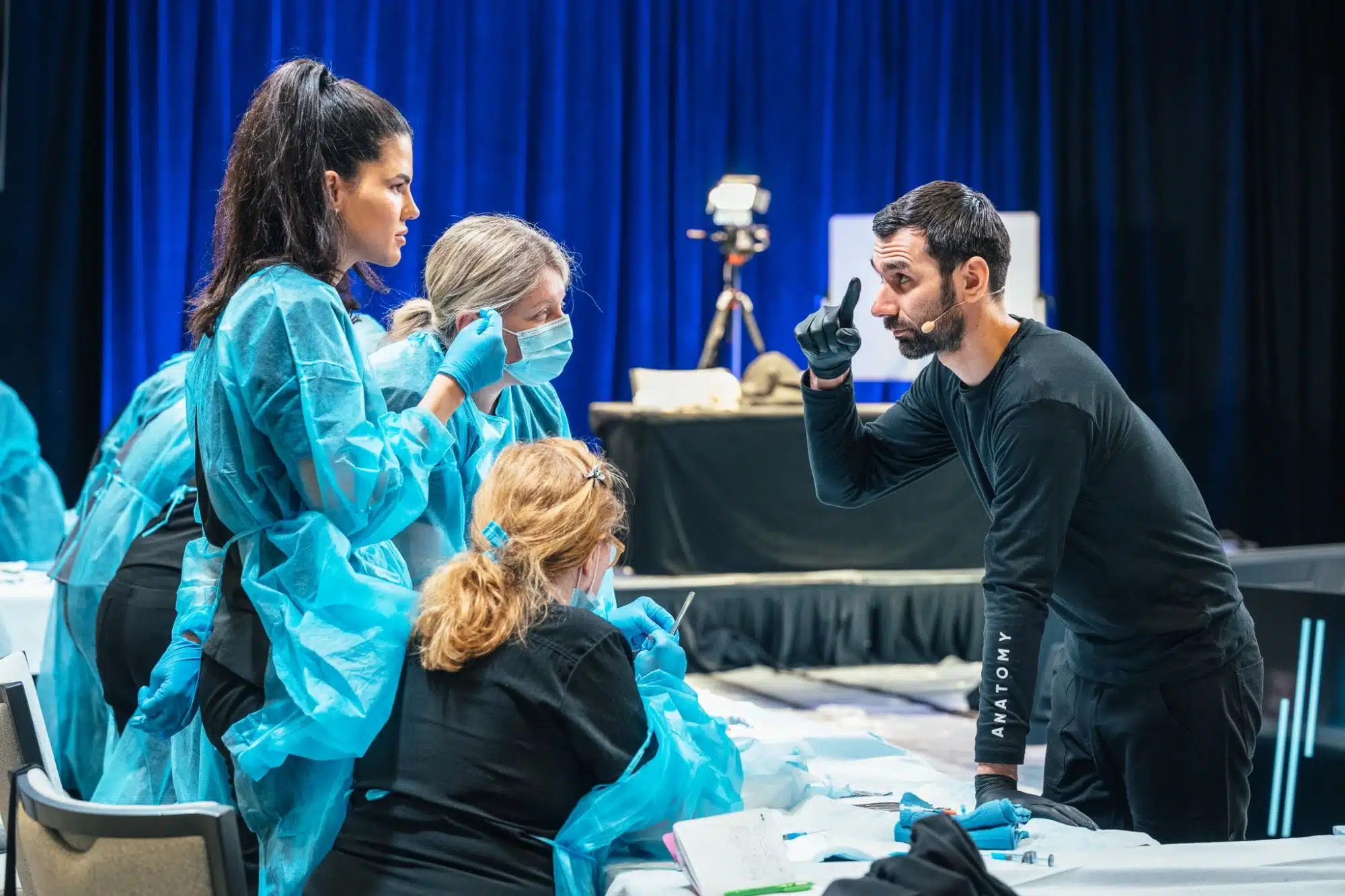
British Association of Medical Aesthetic Nurses (BAMAN) has announced the return of its flagship cadaveric anatomy programme this…

The Regenerative Aesthetics Multidisciplinary Conference & Exhibition (RAMCE) is set to return for a day full of dedicated regenerative…

Clinical-stage biotechnology company Absci has announced positive interim results from the Phase 1 HEADLINE™ clinical trial an investigational…
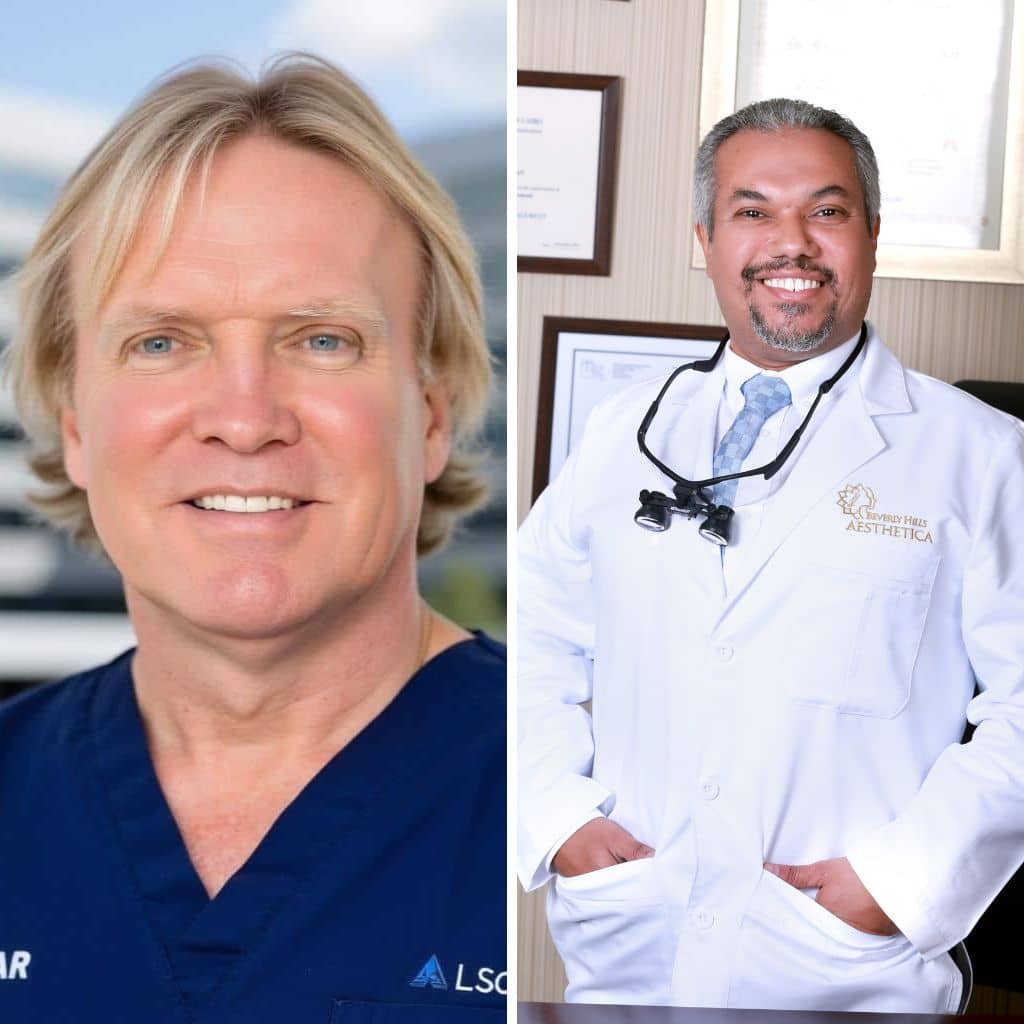
The Aesthetic and Regenerative Medicine (ARM) Conference has announced an internationally renowned faculty for its 2026 meeting in…