



Global Study Reveals What Really Drives Aesthetic Patients
A study published in the Aesthetic Surgery Journal found that confidence, self-expression and self-care – not simply the…


Clinical-stage biotechnology company Absci has announced positive interim results from the Phase 1 HEADLINE™ clinical trial an investigational antibody therapy for androgenetic alopecia (AGA), commonly known as male and female pattern hair loss.
The early-stage study found that the treatment was generally well tolerated across all four single ascending dose (SAD) cohorts, with no serious adverse events reported. The findings also suggest that ABS-201 may offer a long dosing interval, potentially requiring only two or three injections over six months.
The trial marks the first time ABS-201 has been tested in humans. According to the company, the study enrolled 32 healthy adult participants who received intravenous doses ranging from 150 mg to 1,800 mg or placebo. Following a review of the initial safety and pharmacokinetic data, the study has progressed into the multiple ascending dose (MAD) phase involving participants with androgenetic alopecia.
Interim blinded safety data showed that treatment-emergent adverse events (TEAEs) were predominantly mild. The most commonly reported side effect was headache, affecting four participants across the study. Only one moderate adverse event—a headache in the 900 mg dose cohort—was reported, and investigators determined it was unlikely to be related to the study drug.
Importantly, no treatment-emergent serious adverse events (TESAEs) were observed during the data collection period.
“We are particularly encouraged by the emerging safety, pharmacokinetic, and immunogenicity profile observed to date,” said Dr. Ransi Somaratne, Chief Medical Officer of Absci. “We look forward to further characterizing ABS-201’s clinical profile and potential in the ongoing MAD portion of the HEADLINE trial for AGA.”
One of the more notable findings from the interim analysis was the estimated half-life of at least 65 days, suggesting ABS-201 may maintain therapeutic levels for an extended period. If confirmed in later stages of development, the drug could potentially be administered only two or three times over a six-month treatment period, offering a significant convenience advantage over existing therapies that require daily use.
Researchers also reported that anti-drug antibodies did not appear to affect the drug’s pharmacokinetics during the study.
ABS-201 targets the prolactin receptor (PRLR), representing a different mechanism of action from currently approved hair loss treatments such as minoxidil and finasteride. According to Absci, preclinical studies demonstrated superior hair regrowth compared with minoxidil in animal models.
Existing FDA-approved treatments often produce modest results and may be associated with side effects, creating demand for new therapeutic options.
The HEADLINE trial is designed to enroll up to 227 participants across its Phase 1/2a program. The ongoing MAD portion is evaluating subcutaneous doses of 300 mg, 600 mg and 1,200 mg in participants with androgenetic alopecia.
Absci expects to report interim proof-of-concept efficacy data during the second half of 2026, with full proof-of-concept results anticipated in early 2027. The company also plans to initiate a Phase 2 clinical trial investigating ABS-201 as a potential treatment for endometriosis later this year.
While the interim findings are encouraging, ABS-201 remains an investigational therapy, and larger studies will be required to determine whether the treatment delivers meaningful hair regrowth and maintains its favorable safety profile before it can progress toward regulatory approval.
Gain full access to peer-reviewed protocols, our extensive digital archive, and the Tri-annual print edition delivered to your clinic.
£
250
Per Year
Subscribe
Auto-renews annually. Cancel anytime.
Subscribe to our newsletter for the latest insights from the aesthetics industry.
Subscribe NowA study published in the Aesthetic Surgery Journal found that confidence, self-expression and self-care – not simply the…

BTL Ireland has officially opened its new headquarters in Dublin, marking a significant investment in the company’s continued…
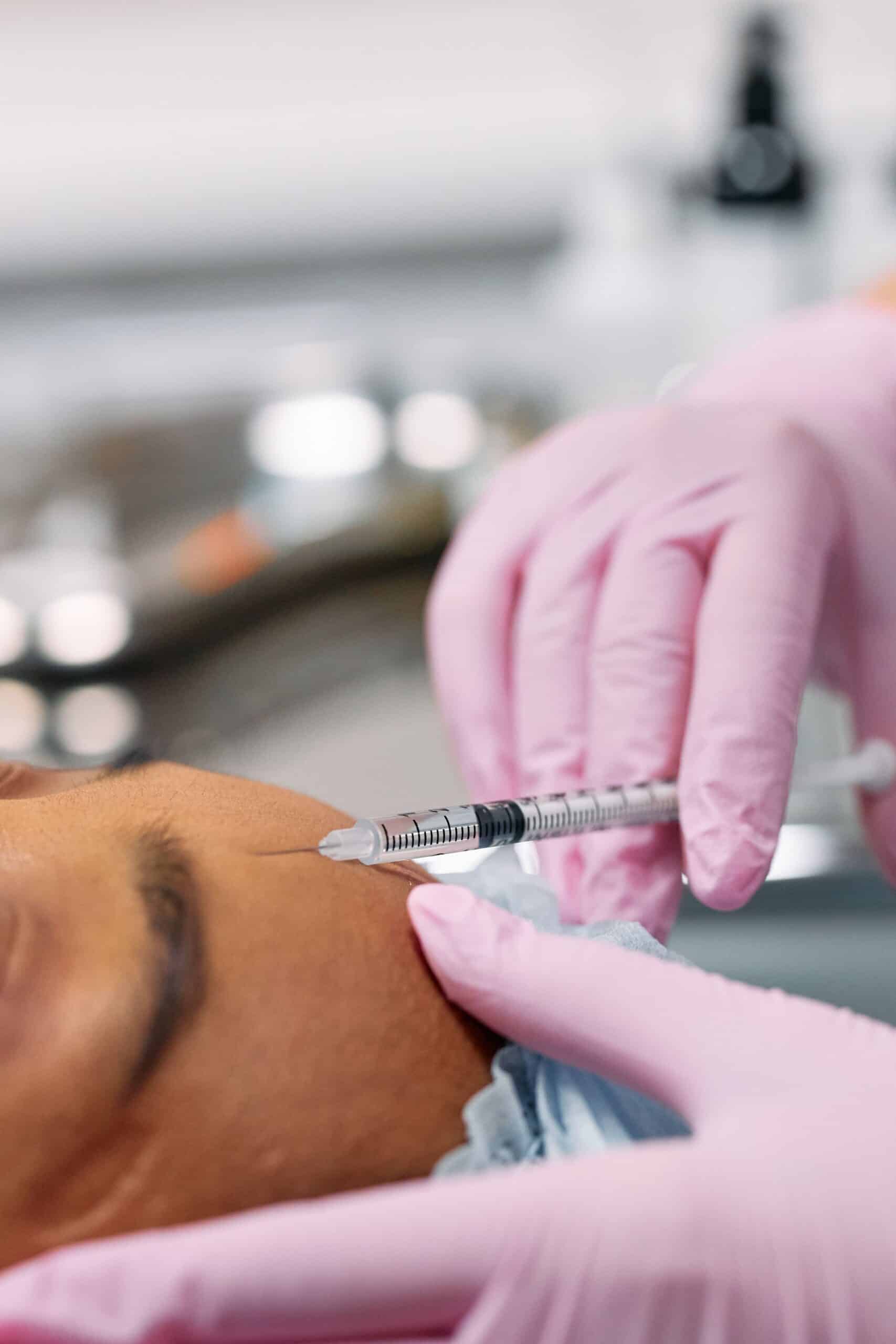
A new clinical governance initiative has been developed by ACE Group World to help enhance emergency preparedness in…

The British Association of Medical Aesthetic Nurses (BAMAN) has welcomed the UK Government’s Call for Evidence on proposals…

Skincare brand CellDerma has announced a new distribution partnership with Church Pharmacy, strengthening the brand’s presence across the…

Leading pharmaceutical company Allergan Aesthetics, an AbbVie company, has announced that they have received approval from the European…
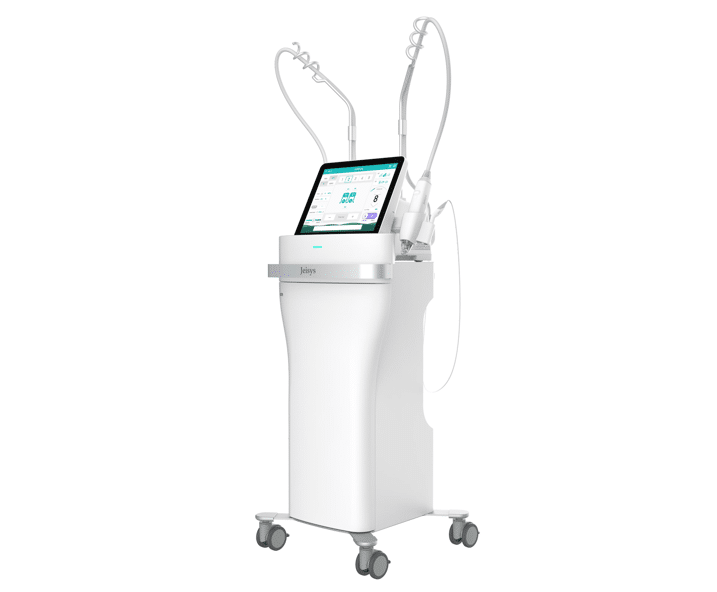
Leading Aesthetics distributor, Healthxchange, has been appointed the new UK and Ireland distributor for the Jeisys POTENZA Advanced…
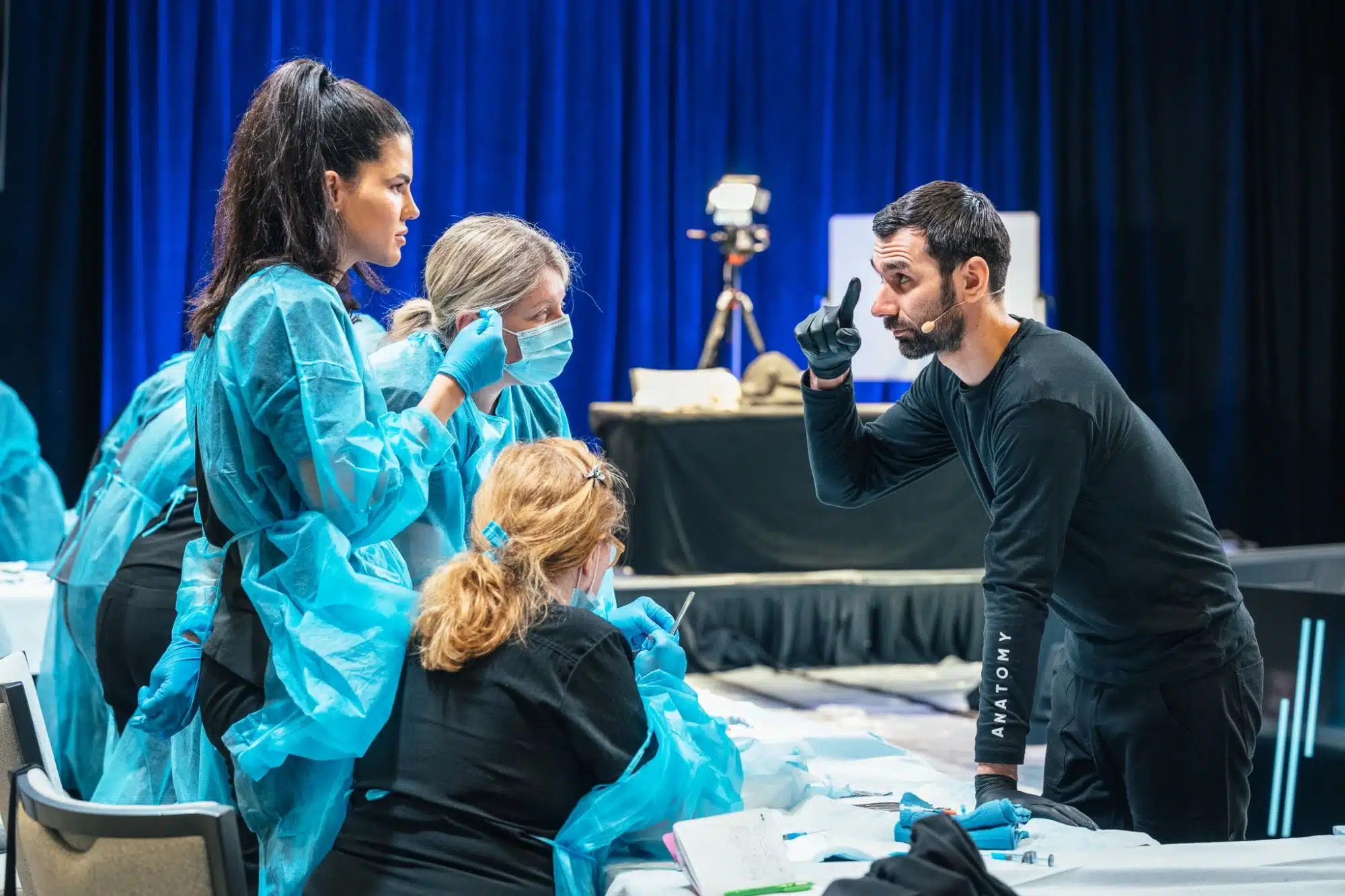
British Association of Medical Aesthetic Nurses (BAMAN) has announced the return of its flagship cadaveric anatomy programme this…

The Regenerative Aesthetics Multidisciplinary Conference & Exhibition (RAMCE) is set to return for a day full of dedicated regenerative…

The Aesthetic and Regenerative Medicine (ARM) Conference has announced an internationally renowned faculty for its 2026 meeting in…