



Leading the Way: Michelle Gleeson on Her New Role as BTL National Sales Manager
Following her recent promotion to National Sales Manager for BTL Ireland, Michelle Gleeson reflects on her journey with…


A new research survey discovered that 65% of women are concerned about experiencing facial fat loss in the future, with younger adults reporting the highest rates of noticeable volume loss after losing weight.
This signals an emerging opportunity for aesthetic practitioners to educate patients on facial rejuvenation and volume restoration.
Among those who had experienced facial fat loss following weight loss, 84% were aged 18-24, compared with 53% of those aged 35-44.
Rapid weight loss appears to be a key contributing factor. Of respondents who had lost weight quickly, 42% reported doing so through rapid weight loss, driven by diet and exercise (61%), medical reasons (29%), or GLP-1 medications such as Ozempic, Wegovy and Mounjaro (10%).
Among this group, 60% said they had experienced “Ozempic face” or noticeable facial fat loss, with the most common changes including a more prominent bone structure (37%) and loss of temple volume (31%).
The findings also revealed that 42% of people in the UK have addressed facial fat loss with dermal fillers, with treatment uptake highest among 35–55-year-olds (51%), followed by 18–34-year-olds (38%).
Interestingly, while volume loss is a growing concern, respondents were more likely to seek treatment for its visible effects than the underlying cause. The most common treatment goals following weight loss were reducing fine lines and wrinkles (39%) and improving sagging skin (36%), highlighting an opportunity for practitioners to educate patients about the role of facial volume restoration, including temple treatments and dynamic hyaluronic acid fillers, in restoring facial balance and softening contours.
Commenting on the findings, Dr Sabrina Shah-Desai, founder of Perfect Eyes, said, “It’s becoming one of the most common conversations we’re having in aesthetic medicine. Patients are increasingly aware that changes in facial shape, contour and support can make them look tired or older, even when they’ve improved their overall health through weight loss. We’re seeing concerns about facial fat loss across all age groups, not just in traditional ageing patients.”
Dr Raul Cetto, founder of Le Petit Saint, added that awareness of facial fat loss is being driven by both the rise of weight loss medications and greater patient understanding of the ageing process.
“It’s now one of the most frequent topics I encounter in clinic, and the data backs that up,” he said. “Patients are no longer simply asking about lines and wrinkles—they’re asking why their face looks ‘tired’ or ‘deflated’, and they want to understand why. That shift in awareness represents a real opportunity for us as practitioners to have better, more honest conversations and deliver more meaningful outcomes.”
As demand for weight loss treatments continues to rise, the findings suggest practitioners may increasingly encounter patients seeking advice on managing associated facial changes. With patient awareness growing, education around facial anatomy, volume loss and holistic treatment planning is likely to become an increasingly important part of the consultation process.
Gain full access to peer-reviewed protocols, our extensive digital archive, and the Tri-annual print edition delivered to your clinic.
£
250
Per Year
Subscribe
Auto-renews annually. Cancel anytime.
Subscribe to our newsletter for the latest insights from the aesthetics industry.
Subscribe NowFollowing her recent promotion to National Sales Manager for BTL Ireland, Michelle Gleeson reflects on her journey with…

Dermatology Aesthetic Nurses Association Ireland (DANAI) has announced the opening of early bird registration for its inaugural Aesthetics…
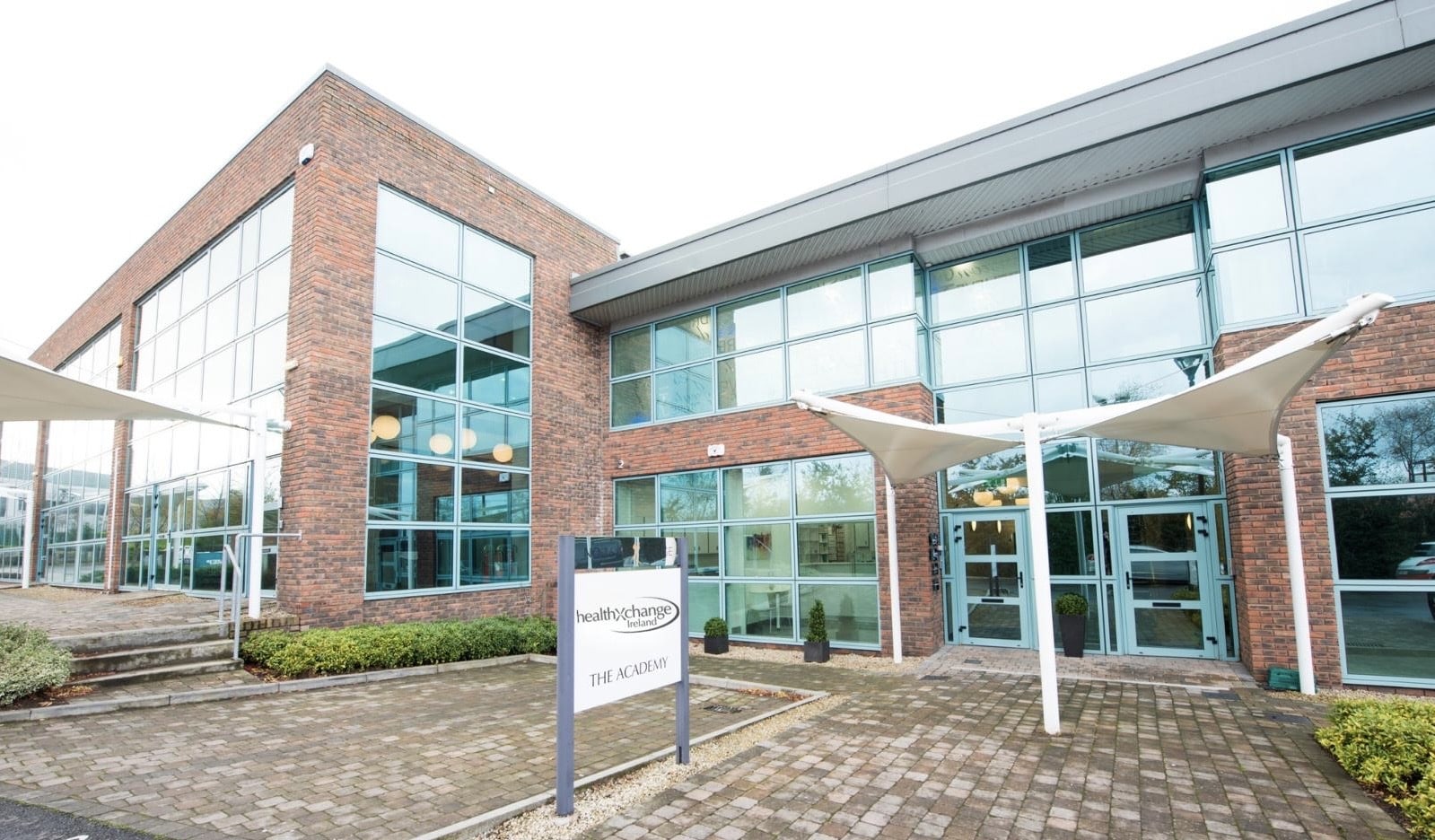
Leading distributor, Healthxchange has unveiled its new ‘Trust in Aesthetics’ campaign, a values-led initiative designed to champion the…
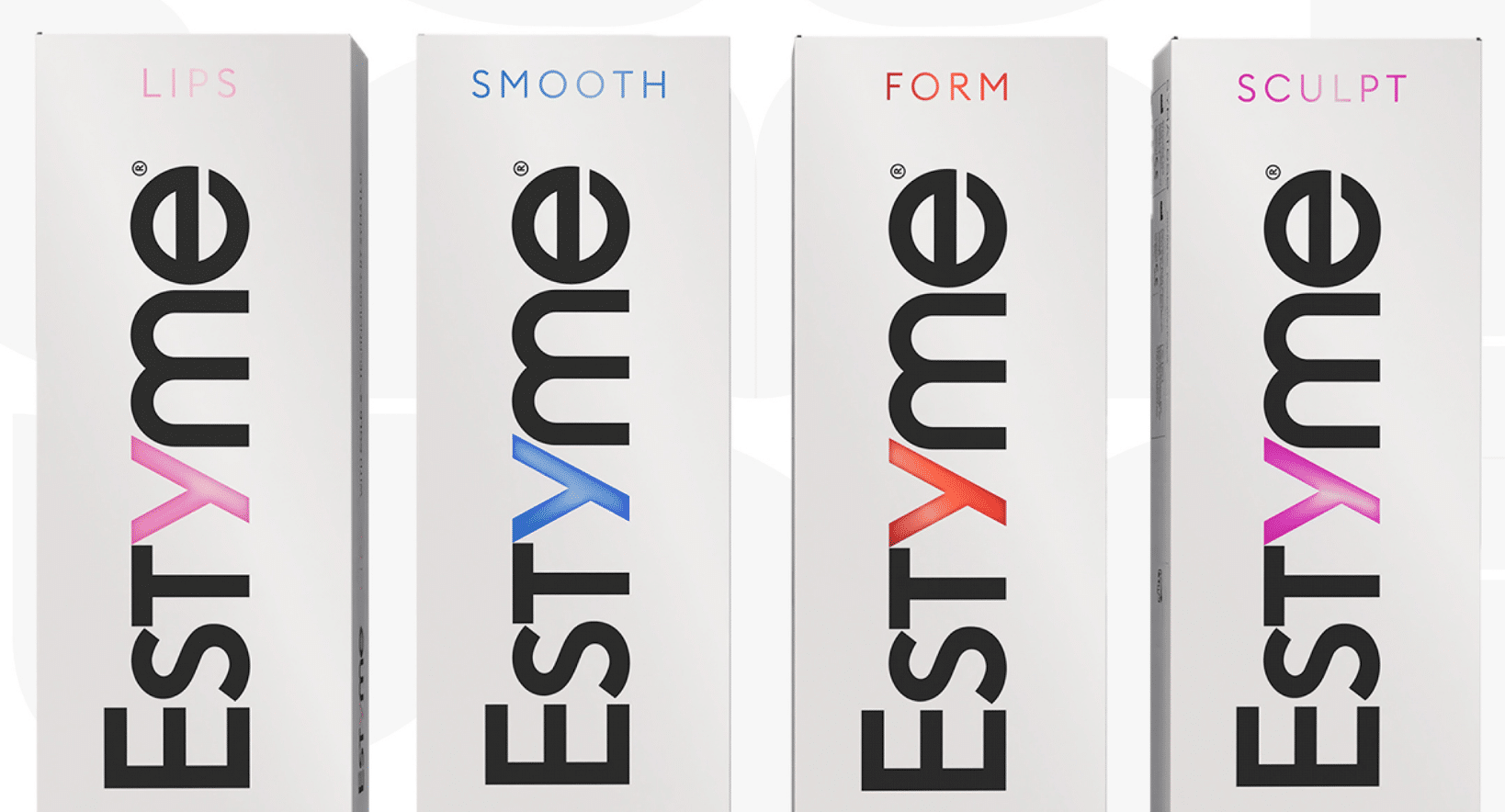
Performance beauty company, Evolus, has announced the European commercial launch of Estyme® — a new collection of injectable…

As peptide therapies grow in popularity, Dr Ben Coyle, GP & Aesthetics Doctor, at The Goldhill Clinic, explores…
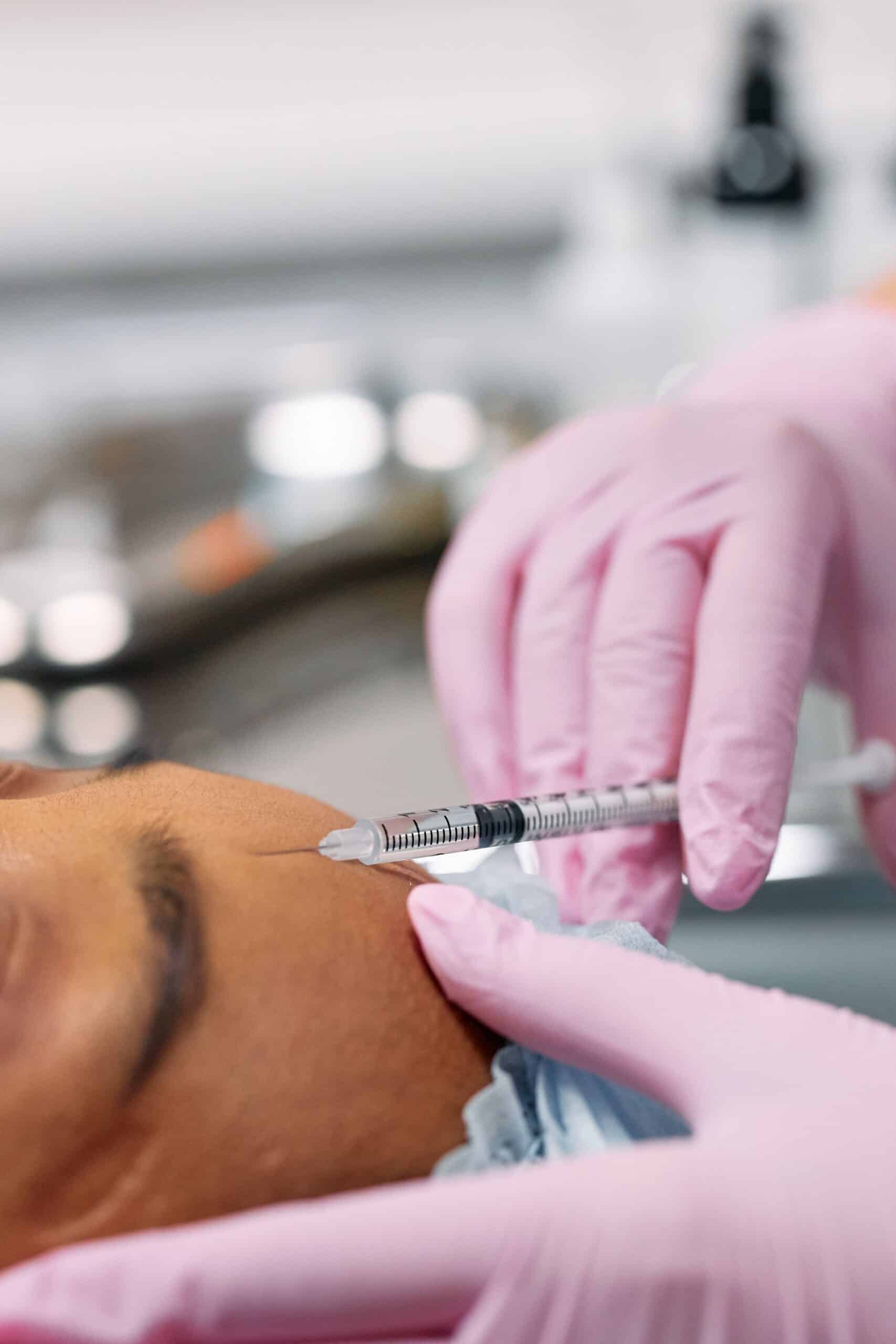
The UK’s Medicines and Healthcare products Regulatory Agency (MHRA) has introduced improved safety warnings for all botulinum toxin…

Compounding pharmacy Roseway Labs has launched Statera, a new 12-week education-led weight management programme. As demand for treatments…

Harpar Grace International (HGI) has announced its expansion into the dental sector, unveiling a new commercial programme designed…

A new purpose-built surgical centre dedicated to skin cancer treatment and advanced dermatologic surgery is set to open…

AMANDA PEARSON With an extensive background in the corporate beauty industry and a passion for supporting business growth,…