



Global Study Reveals What Really Drives Aesthetic Patients
A study published in the Aesthetic Surgery Journal found that confidence, self-expression and self-care – not simply the…

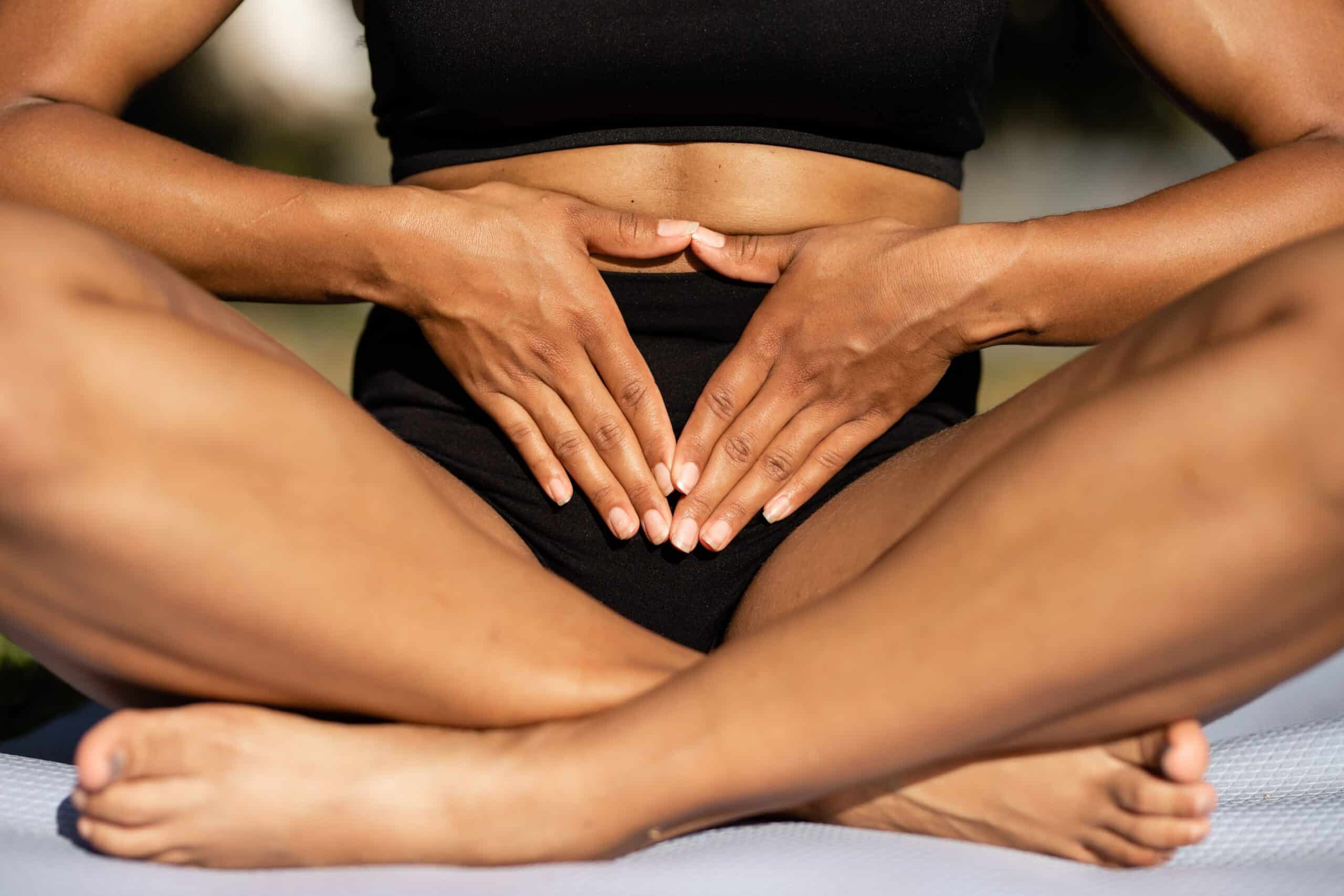
As World Continence Week raises awareness of bladder and bowel health, leading aesthetic physician Dr Sherina Balaratnam is encouraging practitioners to look beyond the symptoms of incontinence and consider the wider picture of ageing, muscle health and physical function.
According to Dr Balaratnam, pelvic floor dysfunction is rarely an isolated issue. Instead, it often reflects broader changes occurring throughout the body as patients age, including muscle loss, postural changes, reduced mobility and declining core strength.
“Everything is intertwined,” she explains. “One muscle is constantly fixed to another.”
Her perspective reflects a growing shift within medicine towards a more holistic understanding of pelvic health, recognising the relationship between the pelvic floor, abdominal wall, diaphragm, spine and wider musculoskeletal system.
One of the key challenges associated with ageing is sarcopenia – the gradual loss of muscle mass and strength over time. Research suggests adults can lose between 3-8% of muscle mass per decade from midlife onwards, increasing the risk of frailty, falls and reduced independence.
For Dr Balaratnam, preserving muscle health should be a priority not only for aesthetics, but also for long-term function and quality of life.
She notes that maintaining muscle mass can support posture, mobility and physical resilience, while also helping to preserve the structures that contribute to pelvic floor function.
The pelvic floor acts as a supportive sling of muscles at the base of the pelvis, playing an important role in bladder and bowel control, sexual function and core stability.
When these muscles weaken or become dysfunctional, patients may experience symptoms such as stress urinary incontinence, where leakage occurs during activities including coughing, sneezing, laughing or exercise.
Dr Balaratnam has observed over the years that many women continue to accept these symptoms as an inevitable consequence of childbirth or ageing, despite the significant impact they can have on daily life.
In clinical practice, she has found that many patients report avoiding certain forms of exercise, altering social activities or relying on continence products rather than seeking support.
A recurring theme in Dr Balaratnam’s work is the importance of viewing the body as a connected system.
Poor posture, sedentary lifestyles and prolonged screen use can contribute to changes in spinal alignment and muscular balance, which may ultimately affect pelvic floor function.
As modern lifestyles increasingly involve long periods of sitting and looking down at digital devices, it is thought that practitioners should pay closer attention to how these habits influence the wider musculoskeletal framework.
By addressing posture, breathing mechanics, core strength and movement patterns alongside pelvic floor concerns, practitioners may be able to support more comprehensive patient outcomes.
While awareness of pelvic health has improved in recent years, incontinence remains a topic many patients feel uncomfortable discussing.
World Continence Week serves as an important reminder that bladder weakness is common, but it should not simply be accepted as a normal part of life.
For Dr Balaratnam, encouraging open conversations is essential to helping patients access appropriate support and treatment options earlier.
The benefits extend beyond continence itself, influencing confidence, physical activity levels, relationships and overall wellbeing.
“Patients deserve to feel good,” she says. “It’s about quality of life.”
As aesthetic medicine continues to evolve, Dr Balaratnam believes practitioners are increasingly well placed to support patients through a more preventative and functional approach to ageing.
Rather than focusing solely on visible changes, she advocates assessing muscle health, mobility, posture, metabolic wellbeing and lifestyle factors as part of a wider patient journey.
Ultimately, healthy ageing is not simply about how people look, but how they function.
This World Continence Week, the message is clear: pelvic health deserves a place in every conversation about longevity, resilience and quality of life.
Gain full access to peer-reviewed protocols, our extensive digital archive, and the Tri-annual print edition delivered to your clinic.
£
250
Per Year
Subscribe
Auto-renews annually. Cancel anytime.
Subscribe to our newsletter for the latest insights from the aesthetics industry.
Subscribe NowA study published in the Aesthetic Surgery Journal found that confidence, self-expression and self-care – not simply the…

BTL Ireland has officially opened its new headquarters in Dublin, marking a significant investment in the company’s continued…
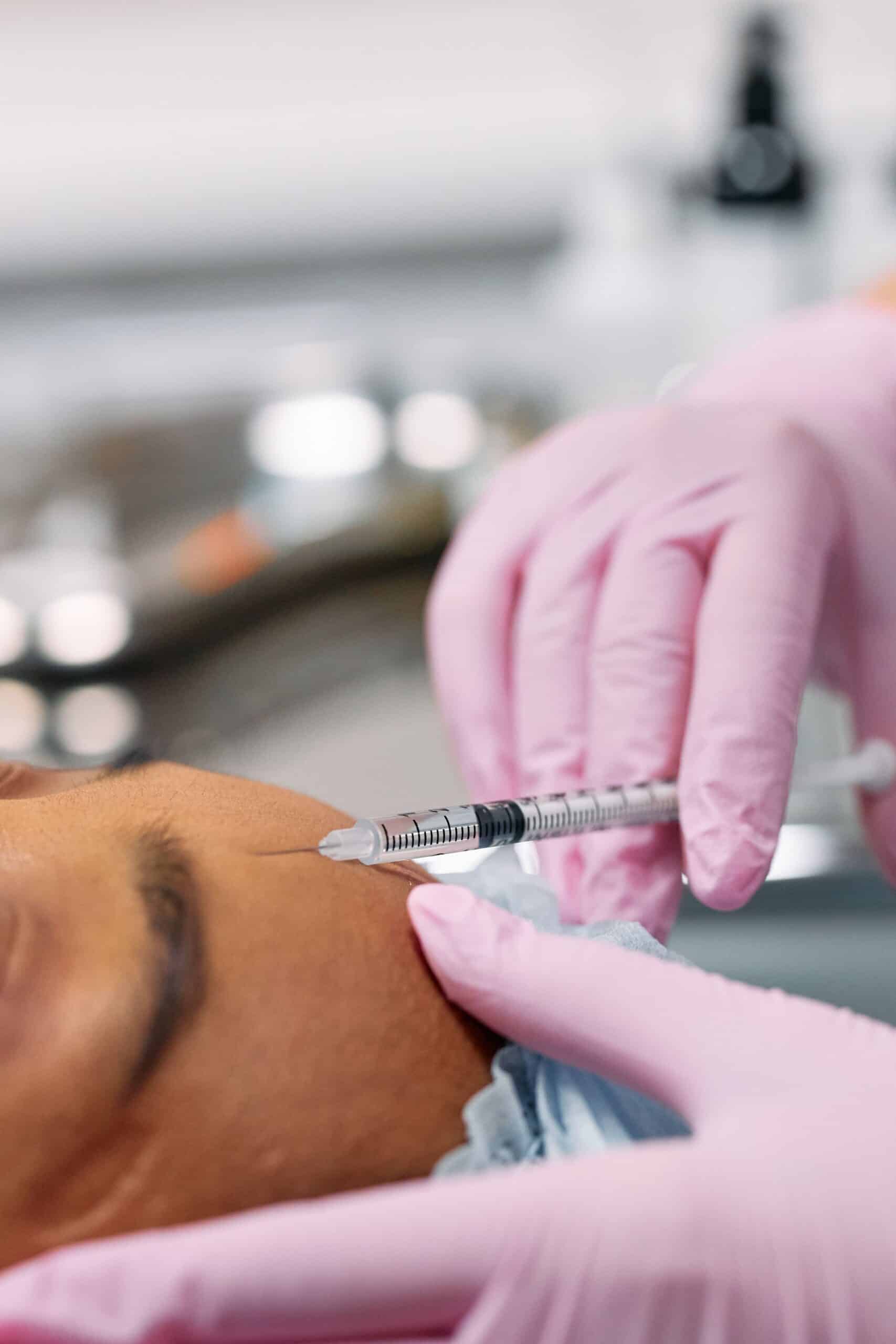
A new clinical governance initiative has been developed by ACE Group World to help enhance emergency preparedness in…

The British Association of Medical Aesthetic Nurses (BAMAN) has welcomed the UK Government’s Call for Evidence on proposals…

Skincare brand CellDerma has announced a new distribution partnership with Church Pharmacy, strengthening the brand’s presence across the…

Leading pharmaceutical company Allergan Aesthetics, an AbbVie company, has announced that they have received approval from the European…

Leading Aesthetics distributor, Healthxchange, has been appointed the new UK and Ireland distributor for the Jeisys POTENZA Advanced…
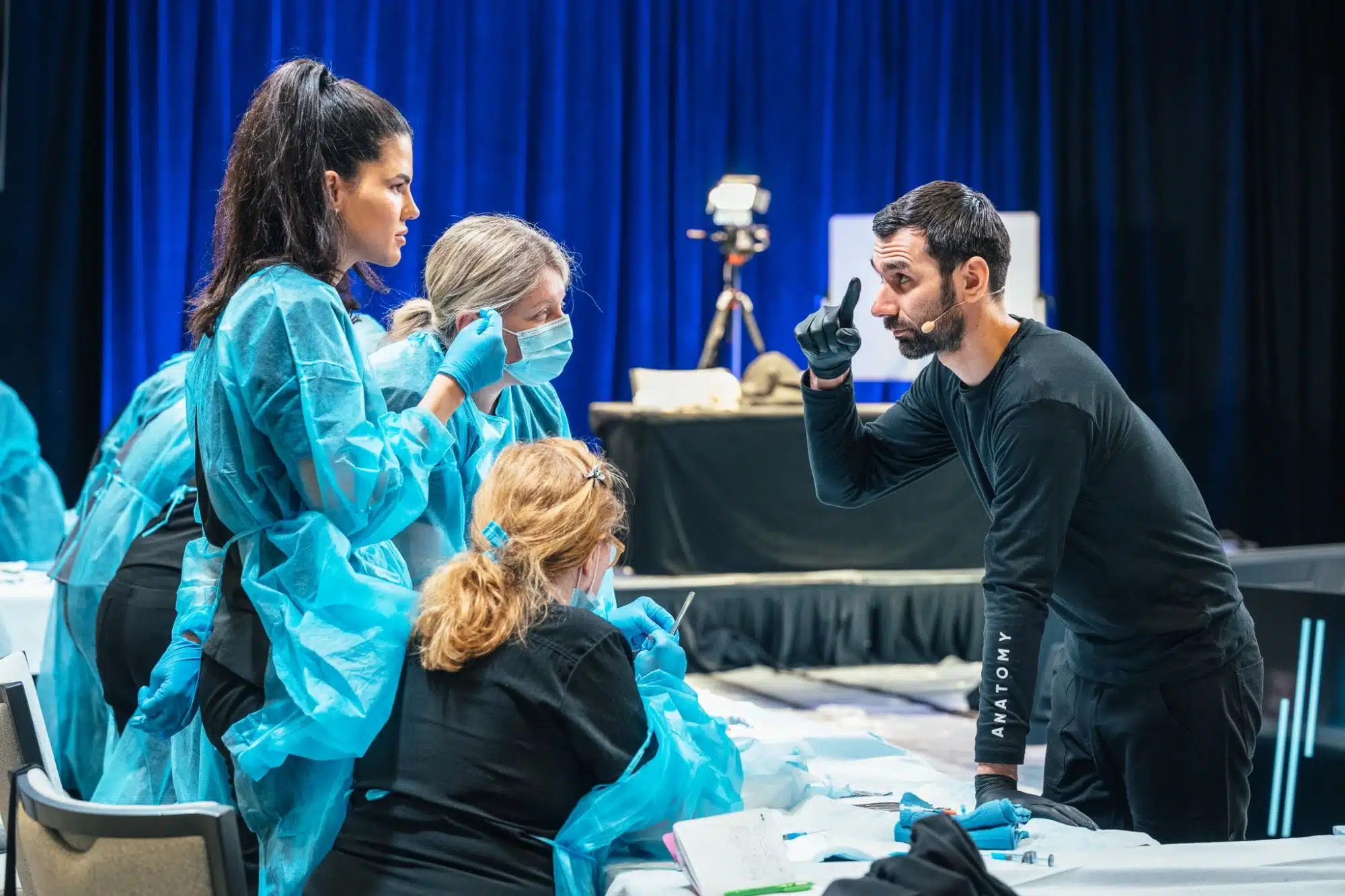
British Association of Medical Aesthetic Nurses (BAMAN) has announced the return of its flagship cadaveric anatomy programme this…

The Regenerative Aesthetics Multidisciplinary Conference & Exhibition (RAMCE) is set to return for a day full of dedicated regenerative…
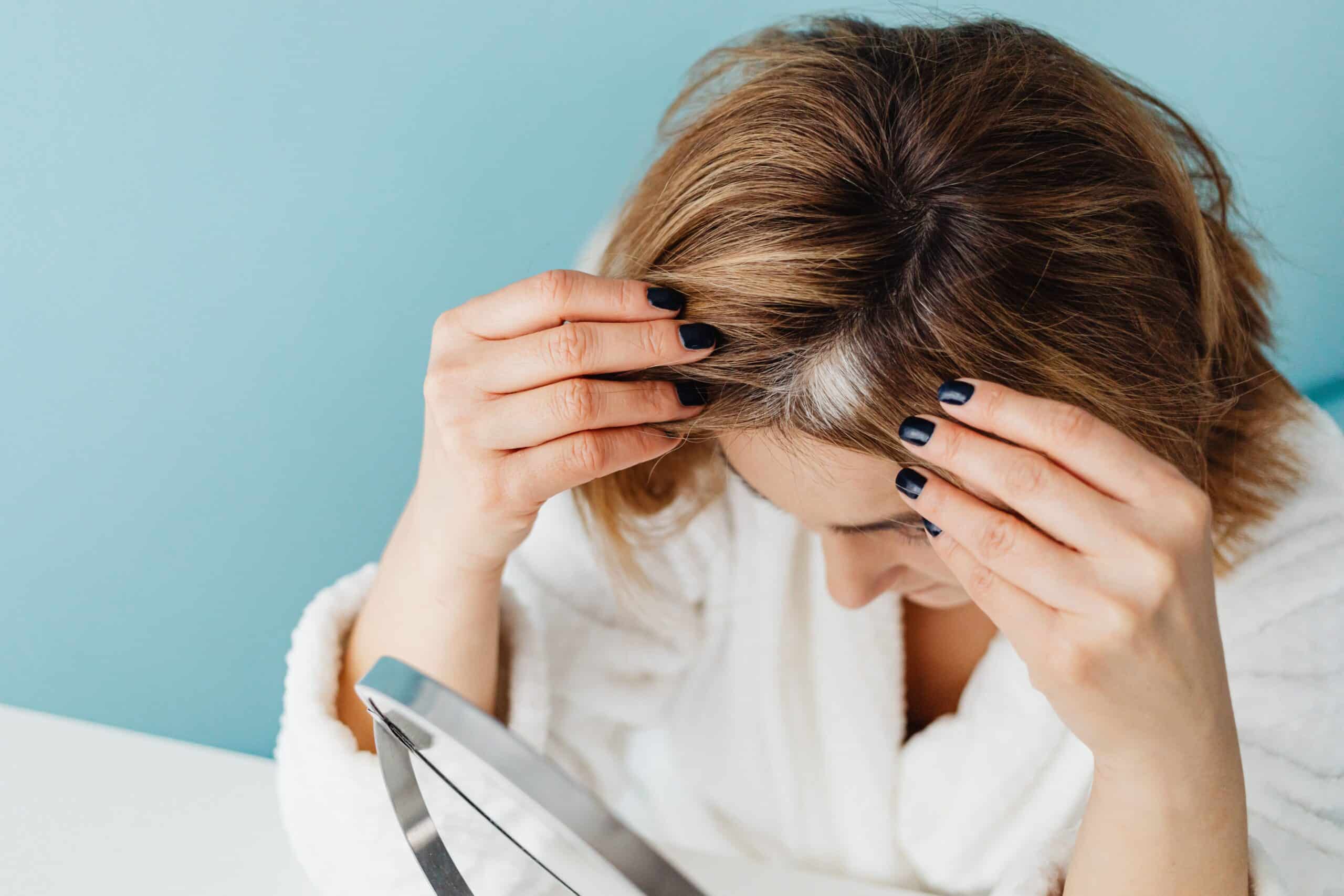
Clinical-stage biotechnology company Absci has announced positive interim results from the Phase 1 HEADLINE™ clinical trial an investigational…