



Global Study Reveals What Really Drives Aesthetic Patients
A study published in the Aesthetic Surgery Journal found that confidence, self-expression and self-care – not simply the…


The British College of Aesthetic Medicine (BCAM) has issued a warning about the growing use of injectable peptides marketed as “targeted” aesthetic and wellness treatments, highlighting concerns over patient safety, limited scientific evidence, and potential long-term health risks.
Peptides, which are short chains of amino acids, are increasingly being promoted online and within some aesthetic clinics as innovative solutions for anti-ageing, fat loss, muscle growth, skin rejuvenation, and recovery therapies. However, BCAM warns that these substances may not act as selectively as advertised and can affect multiple biological systems throughout the body.
Peptides do not simply “target” specific tissues. Instead, they stimulate receptors that instruct cells how to behave, potentially influencing a wide range of biological pathways beyond the intended treatment area.
When injected, peptides can act systematically rather than locally. They can influence multiple pathways and may override normal biological control mechanisms.
The organisation cautions that some peptides interact with pathways associated with cell growth, blood vessel formation, and hormonal regulation. This raises concerns about unintended cell activation, including the possibility of stimulating dormant or abnormal cells or worsening underlying undiagnosed medical conditions.
Experts also warn of additional risks linked to peptide use, including contamination, dosing inconsistencies, immune reactions, and hormonal disruption. Because many peptide-based treatments remain poorly regulated or lack robust clinical evidence, patients may not fully understand the potential consequences before undergoing treatment.
BCAM emphasises that patients should carefully question what a substance is truly activating inside the body before agreeing to injectable treatments.
Peptides aren’t just ‘targeted’ treatments – they can influence multiple biological pathways throughout the body. That’s why evidence, regulation, and practitioner qualifications matter.
The organisation is encouraging patients to ask critical questions before undergoing any peptide-based procedure:
BCAM stresses that patient safety should never be driven by social media trends or aggressive marketing campaigns. The organisation warns that the rapid promotion of peptide injections online can create a false perception that these treatments are scientifically established and medically safe when the evidence may still be unclear.
Sadie Van Sanden Cooke, Chief Operating Officer for BCAM, said patients are increasingly exposed to heavily marketed injectable treatments that appear innovative but may carry significant unknowns.
“Patients are increasingly being exposed to highly marketed injectable treatments that appear scientific and innovative, but which may have very limited evidence, unclear legality and unknown long-term risks,” she said.
“Just because something is being promoted online does not mean it is safe, regulated or medically appropriate. When it comes to injectable treatments, understanding the science and understanding who is providing the treatment is essential for protecting your health.”
The warning comes amid growing demand for advanced aesthetic and wellness procedures, particularly those promoted through social media platforms. Medical professionals are now calling for greater public awareness, stronger regulation, and improved transparency surrounding peptide therapies and other emerging injectable treatments.
BCAM’s message remains clear: if the science is uncertain, patients should think carefully before proceeding with treatment.
“If the science isn’t clear — don’t inject it.”
Gain full access to peer-reviewed protocols, our extensive digital archive, and the Tri-annual print edition delivered to your clinic.
£
250
Per Year
Subscribe
Auto-renews annually. Cancel anytime.
Subscribe to our newsletter for the latest insights from the aesthetics industry.
Subscribe NowA study published in the Aesthetic Surgery Journal found that confidence, self-expression and self-care – not simply the…

BTL Ireland has officially opened its new headquarters in Dublin, marking a significant investment in the company’s continued…
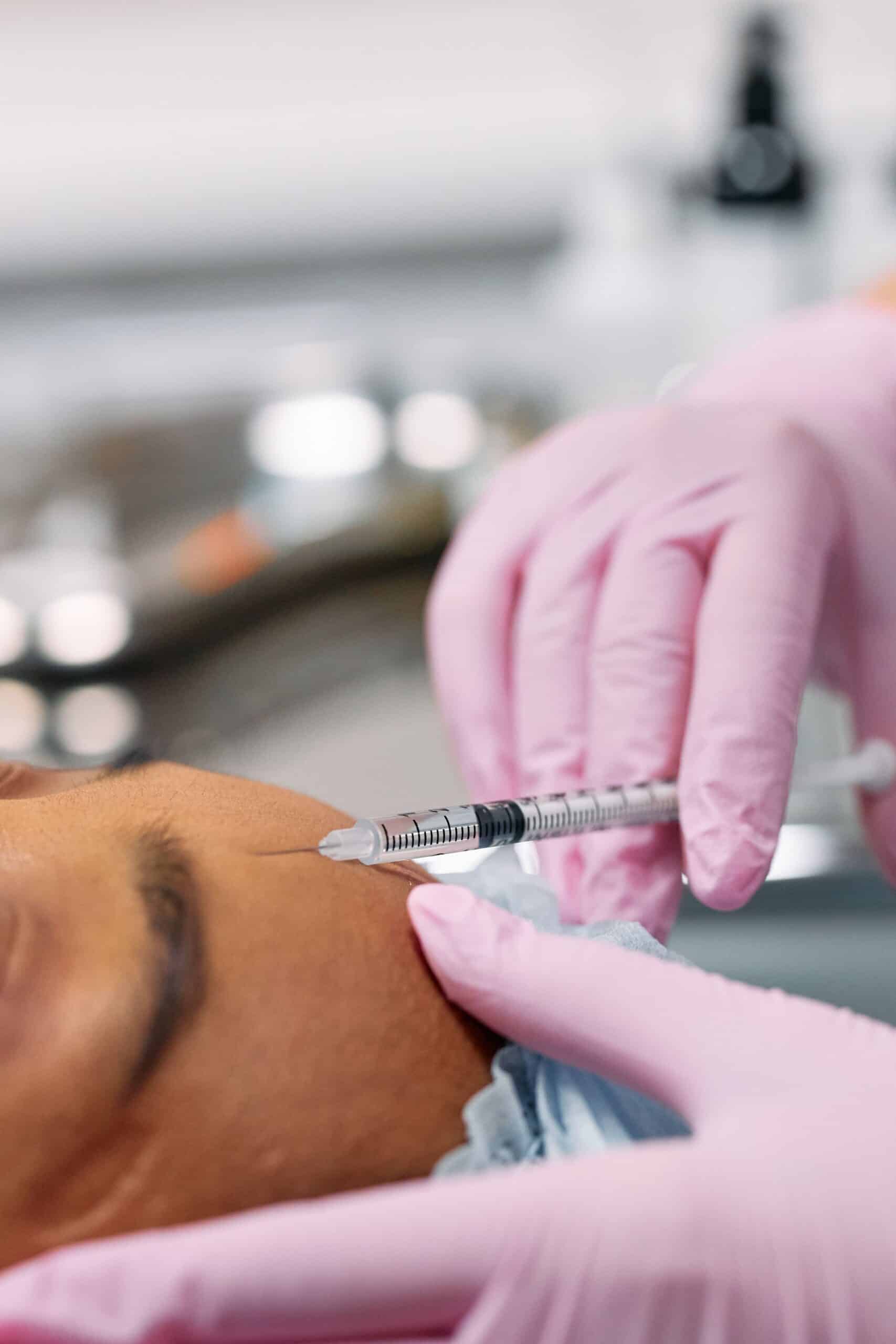
A new clinical governance initiative has been developed by ACE Group World to help enhance emergency preparedness in…

The British Association of Medical Aesthetic Nurses (BAMAN) has welcomed the UK Government’s Call for Evidence on proposals…

Skincare brand CellDerma has announced a new distribution partnership with Church Pharmacy, strengthening the brand’s presence across the…

Leading pharmaceutical company Allergan Aesthetics, an AbbVie company, has announced that they have received approval from the European…

Leading Aesthetics distributor, Healthxchange, has been appointed the new UK and Ireland distributor for the Jeisys POTENZA Advanced…
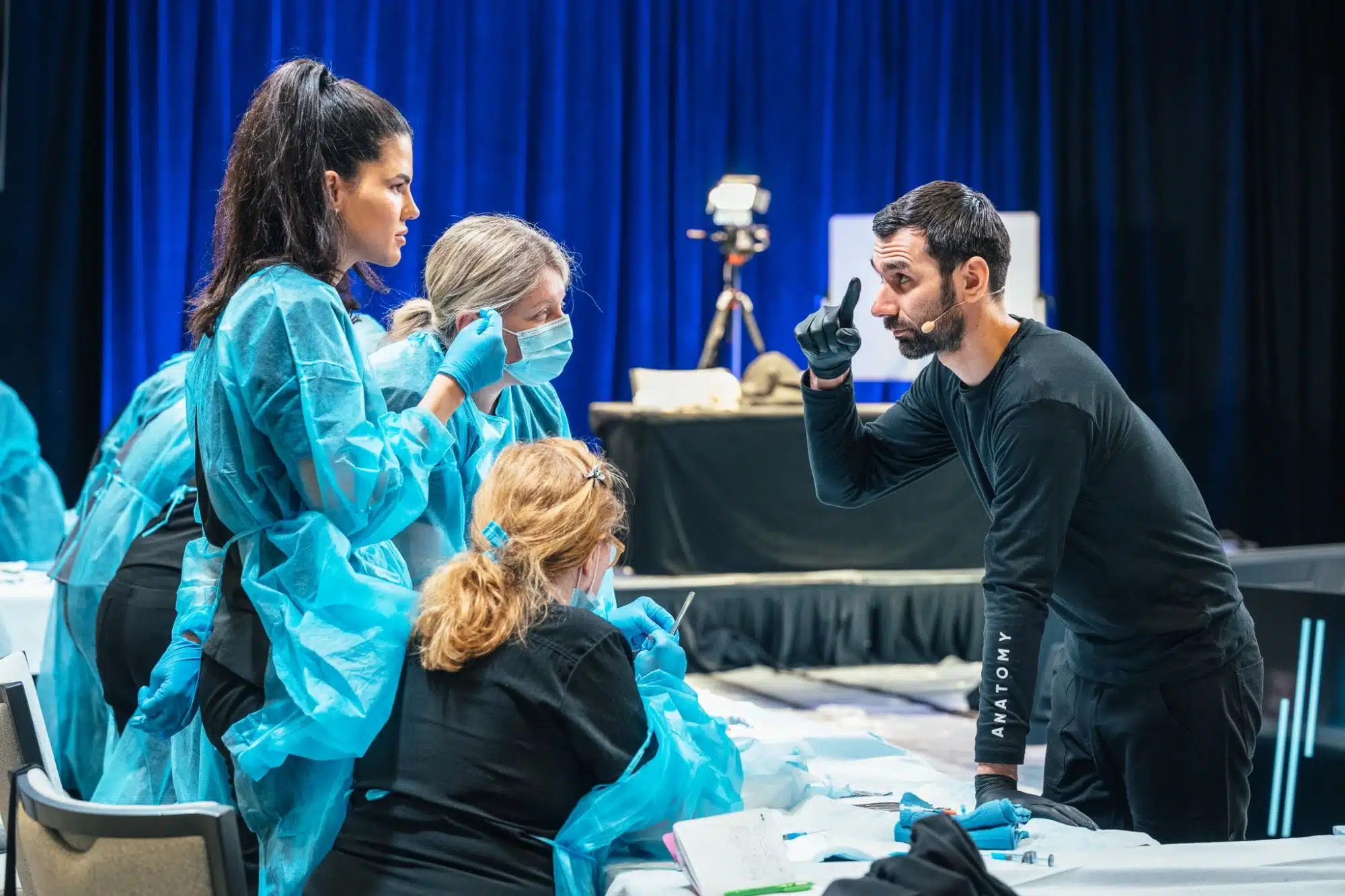
British Association of Medical Aesthetic Nurses (BAMAN) has announced the return of its flagship cadaveric anatomy programme this…

The Regenerative Aesthetics Multidisciplinary Conference & Exhibition (RAMCE) is set to return for a day full of dedicated regenerative…

Clinical-stage biotechnology company Absci has announced positive interim results from the Phase 1 HEADLINE™ clinical trial an investigational…