



Global Study Reveals What Really Drives Aesthetic Patients
A study published in the Aesthetic Surgery Journal found that confidence, self-expression and self-care – not simply the…

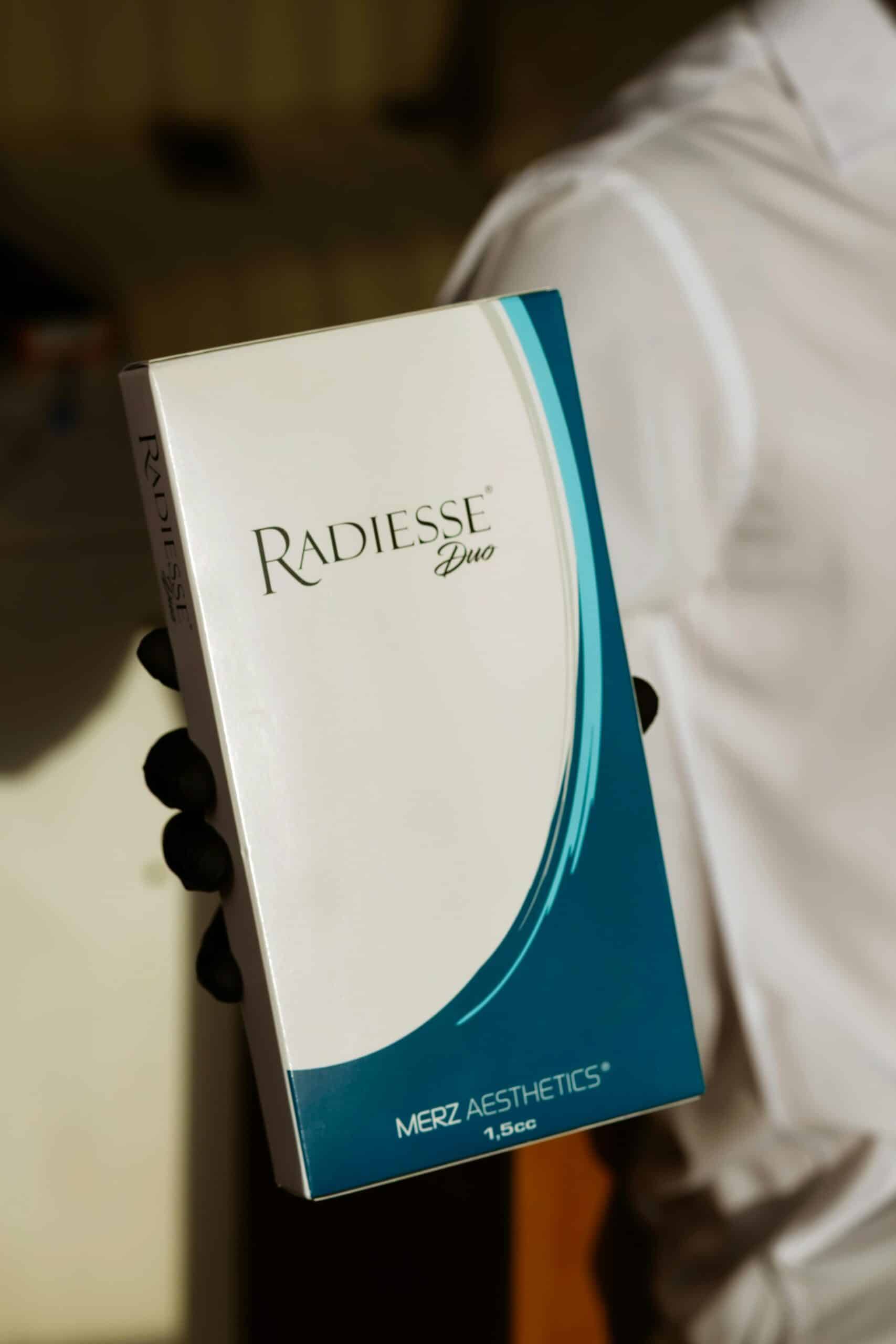
A new study published in the Journal of Cosmetic Dermatology is helping redefine how clinicians understand skin regeneration, showing that healthy skin structure depends on a far more complex extracellular matrix (ECM) ecosystem involving elastin, proteoglycans, glycoproteins, vascular support and tissue organization.
The six-month placebo-controlled biomarker study examined how RADIESSE (calcium hydroxylapatite-carboxymethylcellulose, or CaHA-CMC) influences multiple structural components of the skin – not just collagen alone.
Researchers found significant stimulation across several key ECM proteins, alongside measurable improvements in solar elastosis, a hallmark of sun-damaged skin.
Kate Goldie, Gabriela Casabona, Niamh Corduff, Alec D. McCarthy, Kristina Riegel are the researchers behind this work.
A More Complete View of Skin Aging
The extracellular matrix acts as the skin’s structural framework. While collagen provides tensile strength, other proteins and molecules are equally important for elasticity, resilience, hydration and tissue organization.
The study evaluated several components, including collagen, elastin, fibulin-5, decorin and versican.
Researchers also assessed skin thickness, elastosis and microcirculation using ultrasound imaging and histologic analysis.
According to the authors, the goal was to better understand whether RADIESSE stimulates “a coordinated ECM ecosystem” rather than isolated collagen production alone.
One of the Most Comprehensive Human Biomarker Studies in Aesthetic Medicine
The prospective study enrolled 10 adults undergoing abdominoplasty procedures. Participants received subcutaneous injections of undiluted RADIESSE, as well as 1:1 and 1:2 diluted formulations, alongside saline controls. Tissue samples were analysed at 14 days, 3 months and 6 months post-treatment.
The findings demonstrated significant extracellular matrix remodeling across multiple biological pathways.
Collagen Induction
All RADIESSE dilutions showed significant collagen stimulation versus saline controls at every measured timepoint, with collagen levels peaking around three months.
The 1:1 dilution demonstrated the strongest overall collagen response. This included 31.8% greater collagen staining versus saline at 3 months and sustained collagen increases through 6 months
Elastin and Elastic Fiber Remodeling
Beyond collagen, researchers observed elastin induction surrounding CaHA microspheres at both 3 and 6 months.
Importantly, the study also identified increased expression of fibulin-5, a protein essential for elastic fiber assembly and maturation. The authors note that fibulin-5 supports the formation of properly organised elastic fibers associated with functional skin resilience and recoil.
Improvements in Solar Elastosis
One of the study’s most clinically relevant findings involved improvements in elastosis – structural degeneration associated with chronic sun damage.
Using high-frequency ultrasound imaging, researchers found statistically significant improvements in elastosis at six months for both undiluted RADIESSE and the 1:1 dilution.
The proportion of patients with continuous elastosis decreased substantially following treatment, particularly with the 1:1 dilution.
Increased Skin Thickness and Microcirculation
The study also reported measurable increases in skin thickness and enhanced microcirculation over time.
At six months the skin thickness improved by 15.7% with the 1:1 dilution. Microcirculation was also augmented in 100% of patients treated with the 1:1 formulation.
Researchers suggest these vascular improvements may reflect increased perfusion and tissue remodeling activity within the skin.
Why These Findings Matter
The study reinforces a growing shift in regenerative aesthetics: skin quality is not determined by collagen alone.
Instead, youthful skin appears to rely on coordinated interactions between structural proteins, elastic fibers, proteoglycans and vascular support systems working together within the extracellular matrix.
The authors conclude that RADIESSE stimulates collagen “within the context of a larger ECM ecosystem,” supporting broader tissue regeneration and improved skin structure.
Notably, the researchers identified the 1:1 dilution as the most effective balance for extracellular matrix regeneration and skin quality improvement.
Gain full access to peer-reviewed protocols, our extensive digital archive, and the Tri-annual print edition delivered to your clinic.
£
250
Per Year
Subscribe
Auto-renews annually. Cancel anytime.
Subscribe to our newsletter for the latest insights from the aesthetics industry.
Subscribe NowA study published in the Aesthetic Surgery Journal found that confidence, self-expression and self-care – not simply the…
BTL Ireland has officially opened its new headquarters in Dublin, marking a significant investment in the company’s continued…
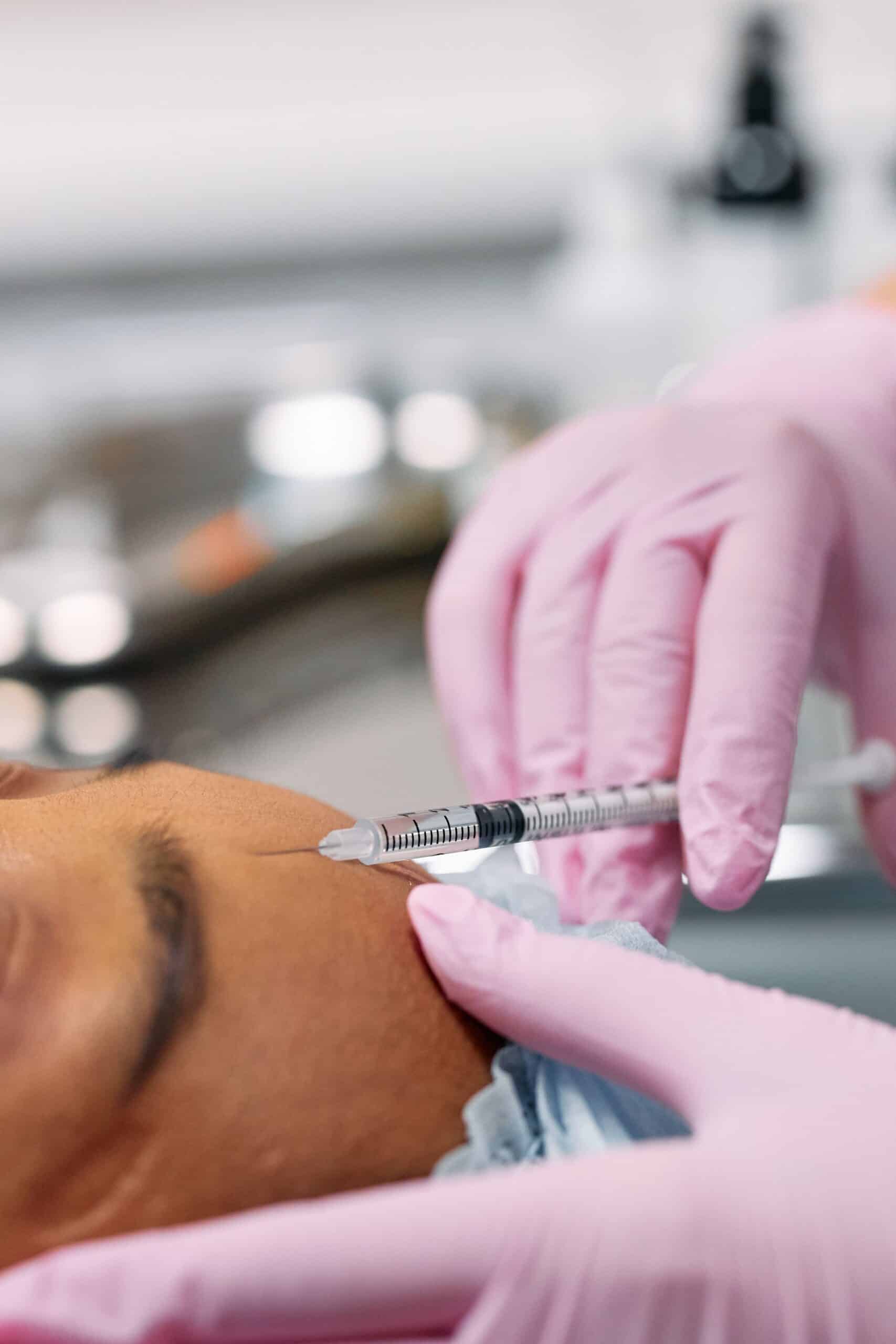
A new clinical governance initiative has been developed by ACE Group World to help enhance emergency preparedness in…

The British Association of Medical Aesthetic Nurses (BAMAN) has welcomed the UK Government’s Call for Evidence on proposals…

Skincare brand CellDerma has announced a new distribution partnership with Church Pharmacy, strengthening the brand’s presence across the…

Leading pharmaceutical company Allergan Aesthetics, an AbbVie company, has announced that they have received approval from the European…
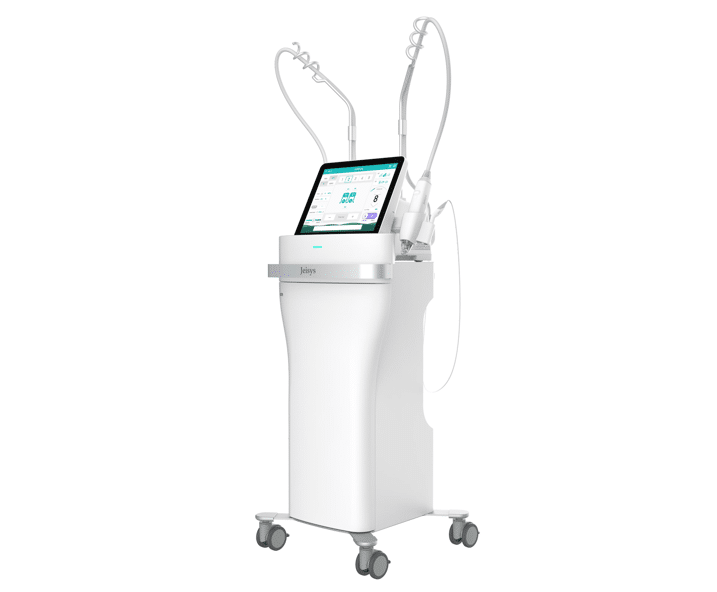
Leading Aesthetics distributor, Healthxchange, has been appointed the new UK and Ireland distributor for the Jeisys POTENZA Advanced…
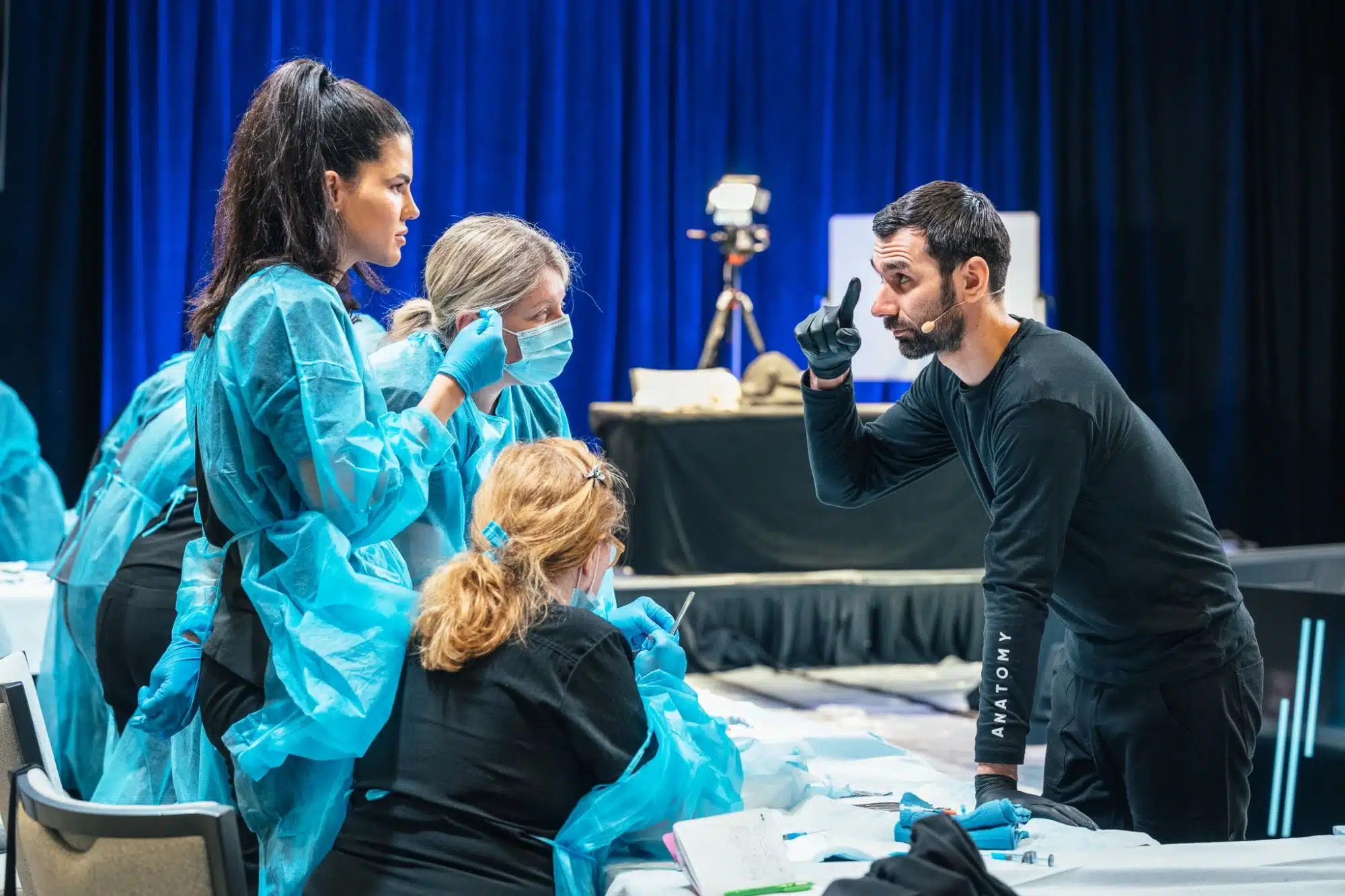
British Association of Medical Aesthetic Nurses (BAMAN) has announced the return of its flagship cadaveric anatomy programme this…

The Regenerative Aesthetics Multidisciplinary Conference & Exhibition (RAMCE) is set to return for a day full of dedicated regenerative…

Clinical-stage biotechnology company Absci has announced positive interim results from the Phase 1 HEADLINE™ clinical trial an investigational…