



Global Study Reveals What Really Drives Aesthetic Patients
A study published in the Aesthetic Surgery Journal found that confidence, self-expression and self-care – not simply the…

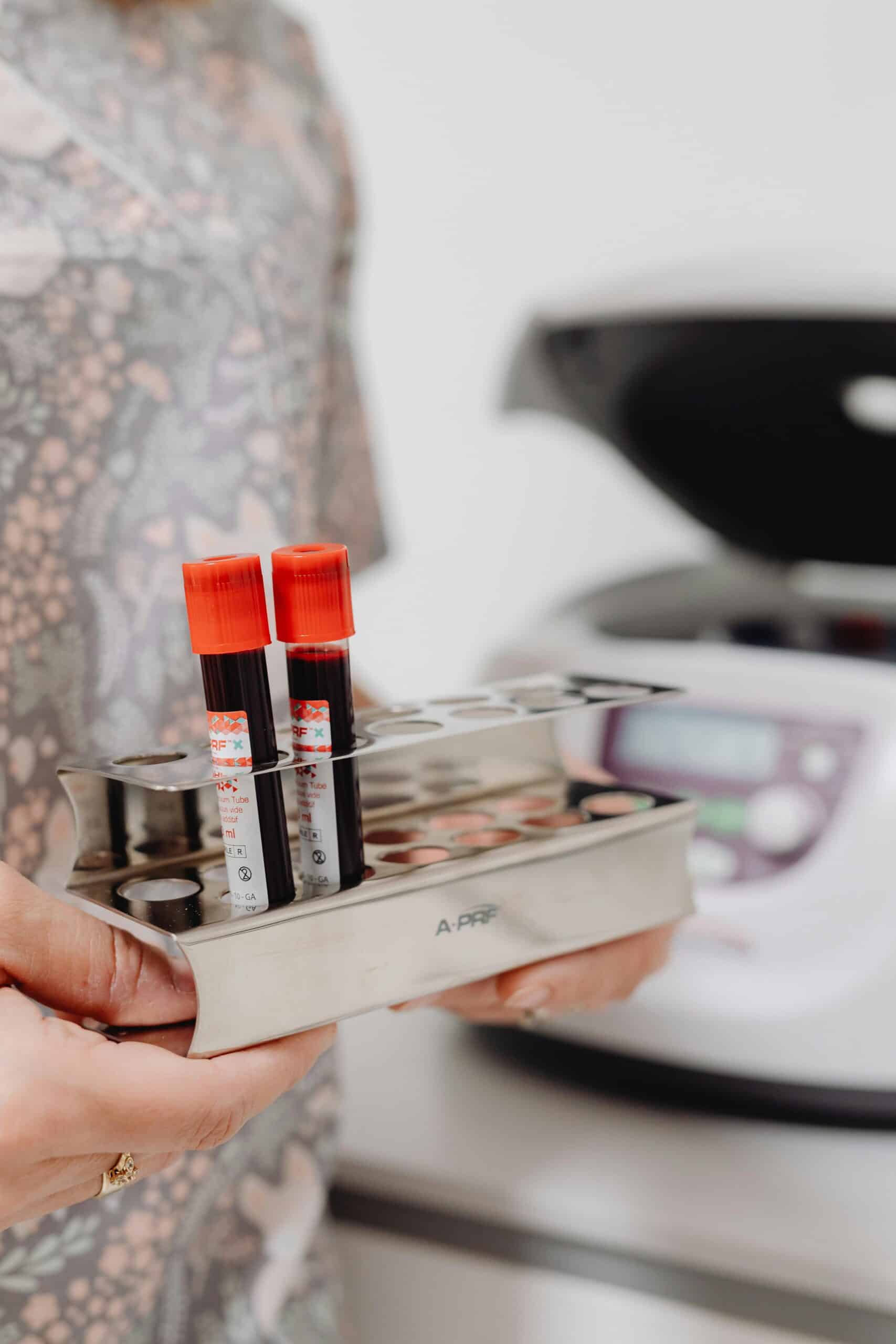
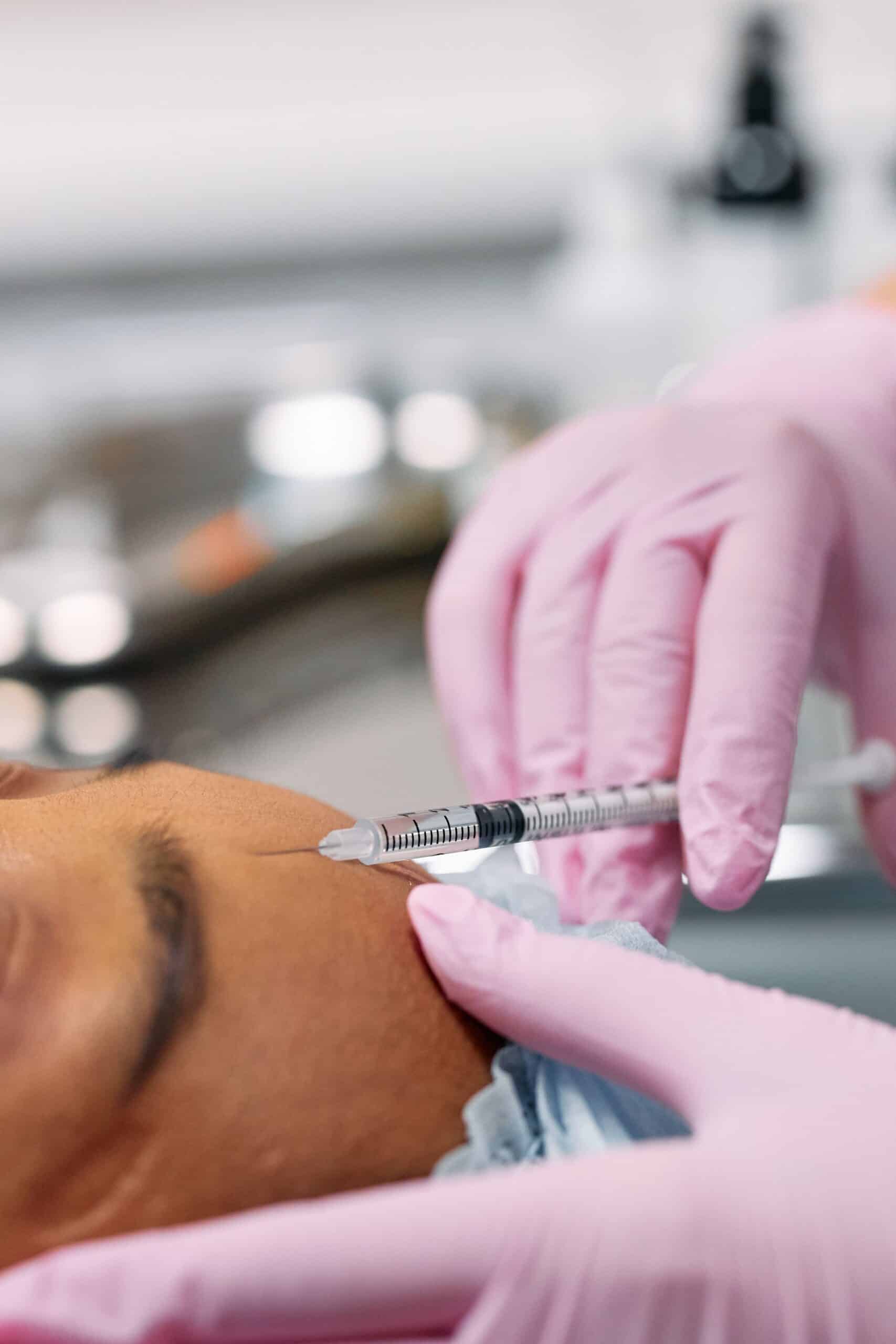
The Joint Council for Cosmetic Practitioners (JCCP) has published significant new guidance for Local Authority authorised officers on the assessment, regulation, and enforcement of Platelet-Rich Plasma (PRP) procedures within aesthetic settings.
The publication comes amid growing concerns surrounding unsafe practices, blood-borne virus transmission, and the increasing use of PRP by unregulated practitioners in non-clinical environments.
Often marketed as the “vampire facial,” PRP treatments have become increasingly popular for skin rejuvenation, hair restoration, scar improvement, and other cosmetic applications. However, the JCCP guidance makes clear that these procedures carry substantial clinical and public health risks when not performed under appropriate standards and oversight.
Why the Guidance Matters
The guidance was developed in response to reports of potentially serious public harm caused by inappropriate PRP preparation and administration, particularly by individuals lacking sufficient training or clinical regulation. Recent investigations by UK enforcement authorities have raised concerns about possible blood-borne virus transmission linked to unsafe PRP practices.
According to the guidance, PRP procedures involve the extraction, manipulation, and reinjection of human blood products. This creates risks that includes cross-contamination with blood-borne viruses such as HIV and Hepatitis B/C, infection and sepsis, and allergic and immune responses.
Tissue damage, vascular occlusion, and even blindness from incorrect injection techniques is also a concern.
The document highlights that these risks are amplified when procedures are carried out in non-CQC registered environments or by individuals without adequate medical competence.
Key Regulatory Findings
One of the central themes of the guidance is the importance of medical device compliance and adherence to blood safety regulations.
The JCCP states that all devices used in the preparation of PRP – including centrifuges and vacutainer tubes – should be regulated medical devices registered with the Medicines and Healthcare products Regulatory Agency (MHRA), or meet an equivalent standard of safety and efficacy.
The guidance specifically warns against the use of inappropriate blood collection tubes purchased through online marketplaces or social media suppliers. It emphasises that vacutainer tubes must be manufactured specifically for autologous PRP procedures and suitable for reinjection into the human body.
Importantly, it reiterates that the Blood Safety and Quality Regulations 2005 remain applicable to PRP procedures, regardless of whether the treatment is performed for cosmetic or medical purposes.
Hair Restoration Classified as a Medical Procedure
A particularly significant clarification relates to PRP use for hair restoration.
The guidance confirms that PRP procedures intended to treat hair loss are considered medical procedures. The MHRA position is that claims relating to hair regrowth, reversing hair loss, or stimulating follicles constitute medicinal claims.
As a result, PRP for hair restoration falls within regulated healthcare activity and must only be carried out by appropriately qualified professionals.
The same principle applies to PRP procedures involving joints, genital applications, or any treatment involving medical diagnosis or therapeutic claims.
Enforcement Powers for Local Authorities
The guidance is intended to support consistent enforcement by Local Authorities and Environmental Health Officers, many of whom may previously have lacked clarity on the legal framework surrounding PRP procedures.
Under the Health and Safety at Work etc. Act 1974, enforcement officers may issue prohibition notices where there is a risk of serious personal injury, improvement notices for breaches involving training, infection control, or risk management and Public Health Orders where premises or equipment pose infection risks
Concerns Around Training and Competence
The JCCP raises serious concerns regarding the current training landscape within the aesthetic sector.
Many PRP practitioners currently rely on short commercial courses marketed as “CPD-accredited.” However, the guidance stresses that CPD accreditation alone is not a regulated qualification and does not demonstrate clinical competence.
It has been strongly recommended that PRP procedures should only be performed by regulated healthcare professionals such as doctors, nurses, dentists, or pharmacists with appropriate training.
A Push Toward Stronger Regulation
The publication also signals the possibility of tighter future regulation across the cosmetic sector.
The JCCP supports classifying PRP as a high-risk “Red Category” procedure under proposed licensing reforms for non-surgical cosmetic procedures. This could significantly restrict who is permitted to offer PRP treatments in the future.
Among the recommendations are mandatory registration of all premises offering PRP, restriction of PRP procedures to regulated healthcare professionals, stronger training and competency standards and enhanced patient safety and incident reporting requirements
Strengthening Public Protection
Ultimately, the new guidance represents a major step toward improving patient safety and strengthening public protection within the rapidly expanding aesthetics industry.
By clarifying the legal, clinical, and regulatory expectations surrounding PRP procedures, the guidance provides Local Authorities with a clearer framework for enforcement while sending a strong message to practitioners about the importance of competence, infection control, and regulatory compliance.
As the popularity of PRP treatments continues to grow, the JCCP’s position is clear: procedures involving blood products should not be treated as low-risk beauty treatments, but as clinically significant interventions requiring robust oversight and professional accountability.
Gain full access to peer-reviewed protocols, our extensive digital archive, and the Tri-annual print edition delivered to your clinic.
£
250
Per Year
Subscribe
Auto-renews annually. Cancel anytime.
Subscribe to our newsletter for the latest insights from the aesthetics industry.
Subscribe NowA study published in the Aesthetic Surgery Journal found that confidence, self-expression and self-care – not simply the…

BTL Ireland has officially opened its new headquarters in Dublin, marking a significant investment in the company’s continued…
A new clinical governance initiative has been developed by ACE Group World to help enhance emergency preparedness in…

The British Association of Medical Aesthetic Nurses (BAMAN) has welcomed the UK Government’s Call for Evidence on proposals…

Skincare brand CellDerma has announced a new distribution partnership with Church Pharmacy, strengthening the brand’s presence across the…

Leading pharmaceutical company Allergan Aesthetics, an AbbVie company, has announced that they have received approval from the European…
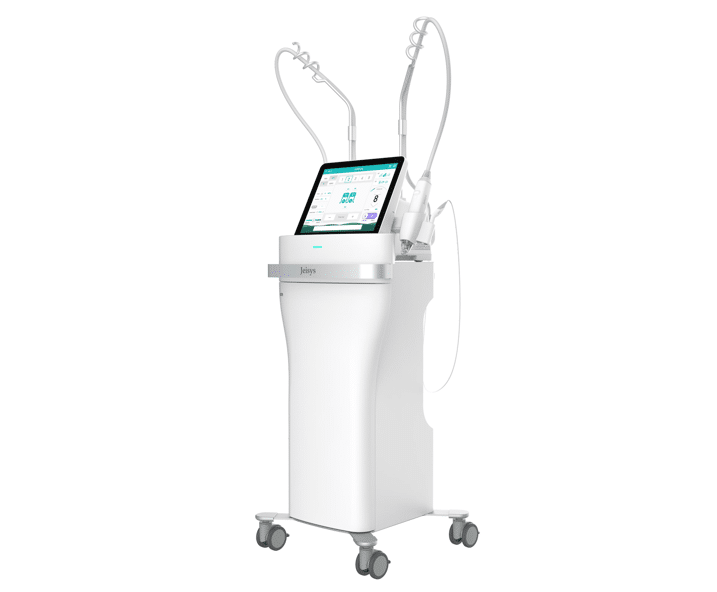
Leading Aesthetics distributor, Healthxchange, has been appointed the new UK and Ireland distributor for the Jeisys POTENZA Advanced…
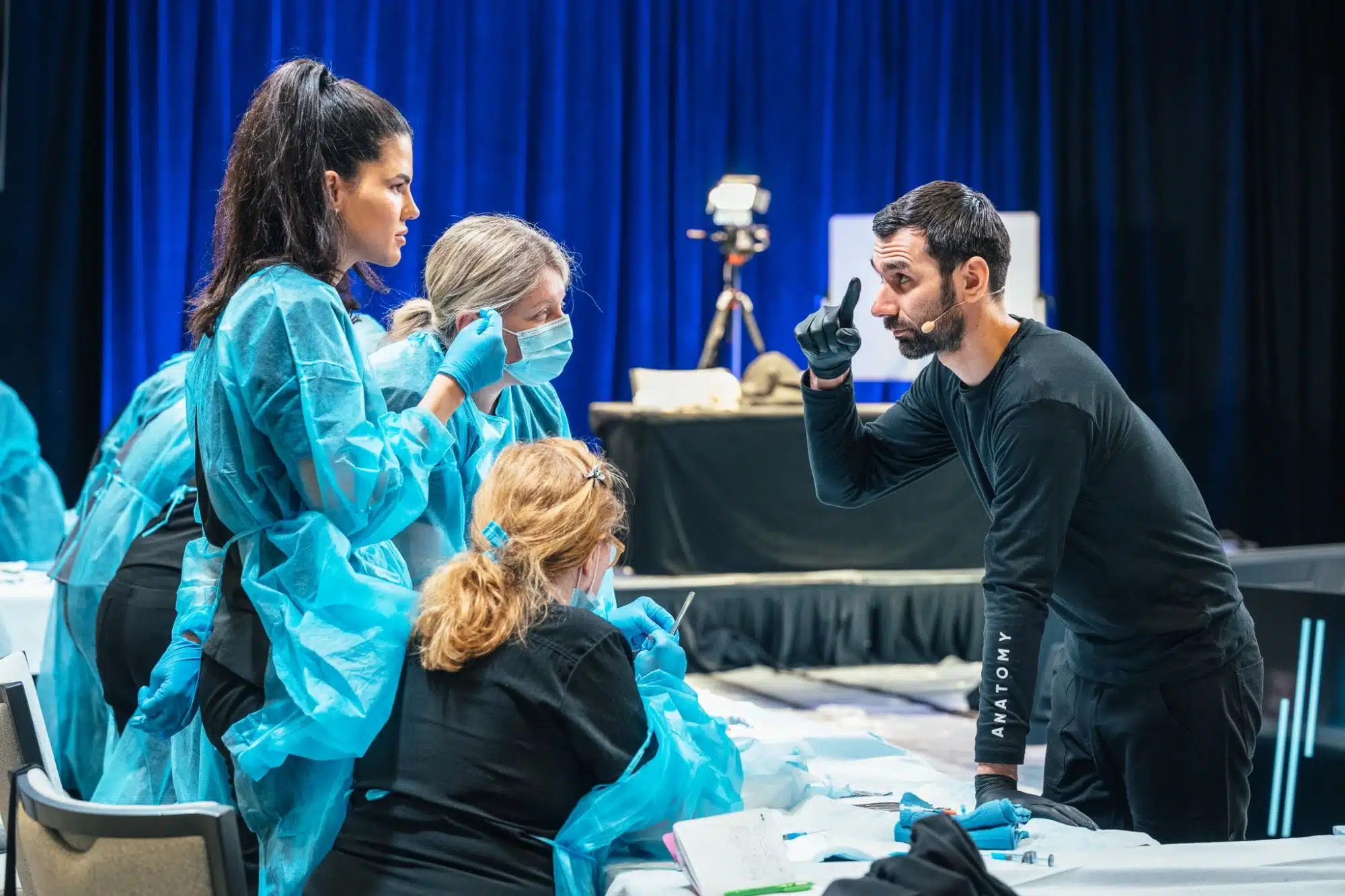
British Association of Medical Aesthetic Nurses (BAMAN) has announced the return of its flagship cadaveric anatomy programme this…

The Regenerative Aesthetics Multidisciplinary Conference & Exhibition (RAMCE) is set to return for a day full of dedicated regenerative…

Clinical-stage biotechnology company Absci has announced positive interim results from the Phase 1 HEADLINE™ clinical trial an investigational…