



Global Study Reveals What Really Drives Aesthetic Patients
A study published in the Aesthetic Surgery Journal found that confidence, self-expression and self-care – not simply the…


Nurse Claudia McGloin explores the risks, regulatory concerns, and ethical responsibilities surrounding the “off-label” injection of PDGF-containing products within aesthetic medicine.
The rapid growth of regenerative aesthetics has created enormous interest in platelet derived therapies, growth factors, exosomes, and biologically active products promising tissue repair and rejuvenation. However, alongside genuine scientific advancement, there has also been a concerning rise in the use of products being marketed and injected without appropriate regulatory approval, safety evidence, or
clinical governance.
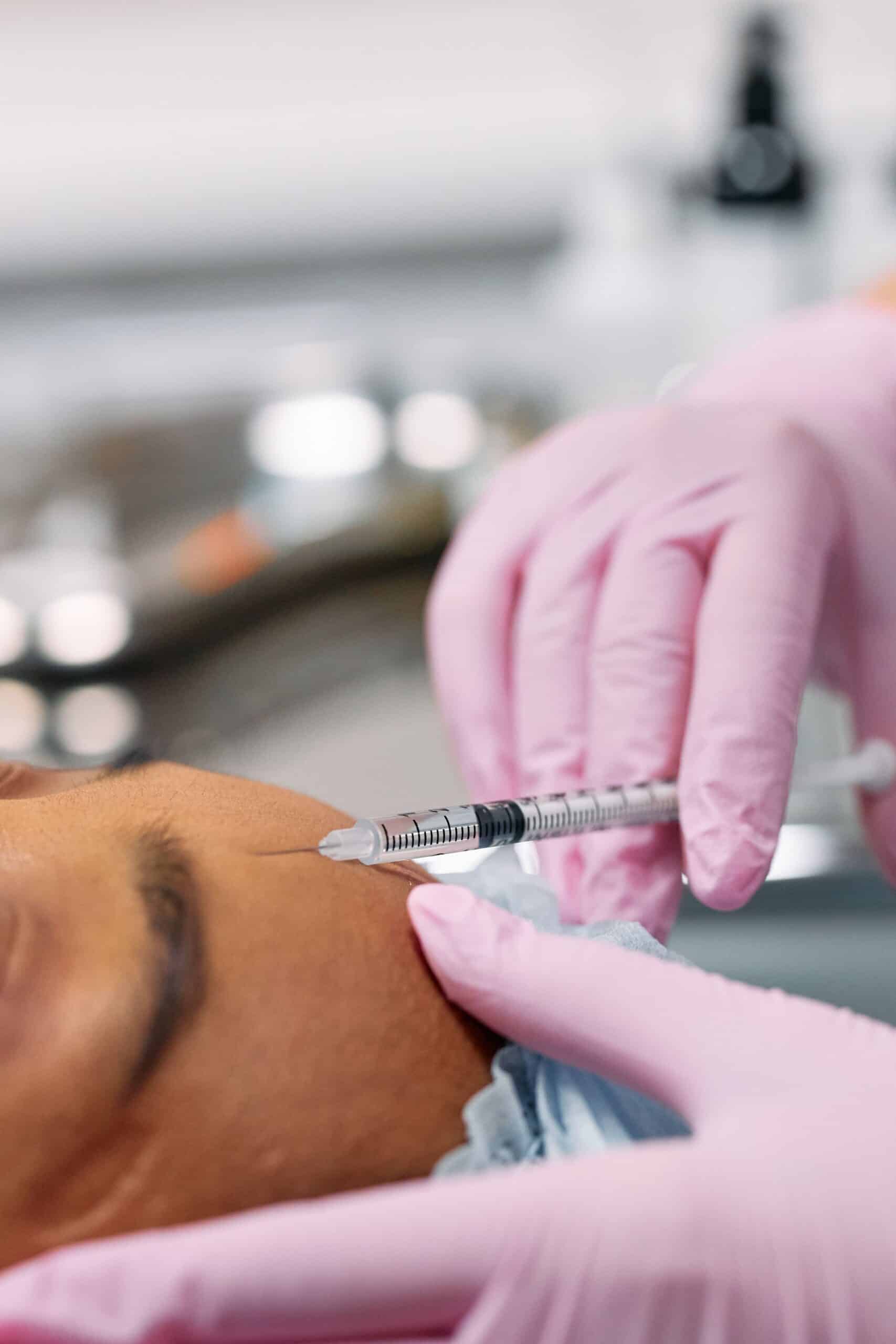
One of the most controversial developments emerging from the United States aesthetic market is the increasing off-label injection of Platelet Derived Growth Factor (PDGF) containing products that are explicitly labelled for topical use only. These products are now at the centre of significant professional debate, patient safety concerns, and reports of severe adverse events.
This issue raises critical questions for the global aesthetic community: Where does innovation end and unsafe experimentation begin?
Understanding PDGF
Platelet Derived Growth Factor (PDGF) is a naturally occurring growth factor involved in wound healing, angiogenesis, cellular proliferation, and tissue repair. It plays an important physiological role within the body and has long attracted interest within regenerative medicine due to its involvement in healing cascades.
In topical formulations, PDGF has been investigated for wound care and skin rejuvenation applications. However, there is a major distinction between a product designed for topical application and one that has undergone the rigorous testing required for injectable use.
This distinction is not semantic. It is regulatory, pharmacological, and fundamentally linked to patient safety.
“Off-Label” Does Not Apply Here
One of the most concerning misconceptions circulating online is the suggestion that injecting these products simply constitutes “off-label” use.
This is inaccurate.
Off-label prescribing refers to the use of a licensed or approved medical product in a manner outside its approved indication, dose, or treatment area. Importantly, the product itself must already possess regulatory approval for human injection or medical use. Products labelled for topical use only and lacking FDA approval for injection are not injectable medicines. They have not undergone the safety, sterility, toxicology, vascular risk, tissue compatibility, or pharmacokinetic testing required for injectable products.
Therefore, injecting these substances is not merely off-label practice. It represents the use of a non-approved injectable substance by a route for which it was never authorised. This distinction is critical both legally and ethically.
Reports of Serious Complications
There are now multiple reports emerging from the United States of severe complications associated with the injection of these products. While data remains limited and many cases are discussed informally across professional networks and social media platforms, concerns raised include:
Perhaps most concerning is that many injectors appear unable to fully explain the product composition, carrier substances, sterility profile, or biological behaviour once injected into human tissue.
This is particularly alarming in high-risk anatomical areas such as the periorbital region, nose, temples, and glabella where vascular compromise may result in catastrophic complications including tissue necrosis or blindness.
The aesthetic industry has already witnessed the devastating consequences of poorly understood injectable products. History repeatedly demonstrates that enthusiasm and marketing should never supersede evidence-based medicine.
Social Media and the Culture of “Injectable Everything”
The speed at which trends spread across social media has significantly altered the landscape of aesthetic medicine. Products are frequently promoted by influencers, trainers, and practitioners before robust scientific evidence or regulatory oversight is established.
In many cases, clinicians are learning techniques through social media reels rather than structured medical education. This creates a dangerous environment where products designed for cosmetic topical application can rapidly become injectable trends without appropriate scrutiny. Regenerative medicine is scientifically exciting, but it is not exempt from the principles of patient safety, anatomy, pharmacology, or medical ethics.
The phrase “natural” does not equate to “safe.”
The Regulatory Gap in Regenerative Aesthetics
Regenerative aesthetics currently occupies a challenging regulatory space globally. Many biologic and regenerative products evolve faster than legislation can adequately address them.
This leaves clinicians vulnerable to:
The PDGF controversy highlights the urgent need for:
Clinicians must also critically evaluate where products originate, how they are manufactured, whether sterility validation exists, and what evidence supports injectable use.
Ethical Responsibility of the Injector
Patient demand should never dictate clinical decision-making. As medical professionals, nurses, doctors, and dentists hold an ethical responsibility to critically assess both the evidence and regulatory status of any product they introduce into tissue. Before injecting any regenerative product, practitioners should ask:
If these questions cannot be confidently answered, the treatment should not proceed. Innovation without governance places both patients and practitioners at risk.
Moving Forward Safely
Regenerative medicine undoubtedly represents an exciting future within aesthetics. However, the future of the specialty depends on responsible innovation grounded in science, transparency, and patient safety. The PDGF controversy should serve as a warning to the profession that not every trending product belongs in a syringe. As the
industry continues to evolve, clinicians must remain evidence-led rather than trend-led. The pursuit of better outcomes can never come at the expense of patient welfare.
In regenerative aesthetics, safety must always remain the primary endpoint.
Gain full access to peer-reviewed protocols, our extensive digital archive, and the Tri-annual print edition delivered to your clinic.
£
250
Per Year
Subscribe
Auto-renews annually. Cancel anytime.
Subscribe to our newsletter for the latest insights from the aesthetics industry.
Subscribe NowA study published in the Aesthetic Surgery Journal found that confidence, self-expression and self-care – not simply the…

BTL Ireland has officially opened its new headquarters in Dublin, marking a significant investment in the company’s continued…
A new clinical governance initiative has been developed by ACE Group World to help enhance emergency preparedness in…

The British Association of Medical Aesthetic Nurses (BAMAN) has welcomed the UK Government’s Call for Evidence on proposals…

Skincare brand CellDerma has announced a new distribution partnership with Church Pharmacy, strengthening the brand’s presence across the…

Leading pharmaceutical company Allergan Aesthetics, an AbbVie company, has announced that they have received approval from the European…
Leading Aesthetics distributor, Healthxchange, has been appointed the new UK and Ireland distributor for the Jeisys POTENZA Advanced…
British Association of Medical Aesthetic Nurses (BAMAN) has announced the return of its flagship cadaveric anatomy programme this…

The Regenerative Aesthetics Multidisciplinary Conference & Exhibition (RAMCE) is set to return for a day full of dedicated regenerative…

Clinical-stage biotechnology company Absci has announced positive interim results from the Phase 1 HEADLINE™ clinical trial an investigational…