



Global Study Reveals What Really Drives Aesthetic Patients
A study published in the Aesthetic Surgery Journal found that confidence, self-expression and self-care – not simply the…

The UK is facing what lawmakers and health experts describe as a “preventable crisis” in public health. Rising rates of skin cancer driven by dangerous levels of ultraviolet (UV) exposure.
A new report from the All-Party Parliamentary Group (APPG) for Beauty, Hair & Wellbeing argues that the country urgently needs a coordinated national UV safety strategy to address growing risks from both sunlight and artificial UV sources such as sunbeds.
The report, A Preventable Crisis: The Case for a National UV Safety Strategy, paints a stark picture. Skin cancer cases are increasing rapidly, public awareness remains dangerously low, and climate change is expected to intensify the problem in the years ahead. Yet despite UV radiation being officially classified by the World Health Organisation as a Group 1 carcinogen – the same category as tobacco smoke – the UK still lacks a sustained, nationwide prevention campaign.
According to the report, melanoma is now the fifth most common cancer in the UK, with around 19,700 new cases reported in 2022 and approximately 2,600 deaths every year. Non-melanoma skin cancers are even more widespread, with estimates suggesting annual cases may now exceed 250,000. Research shows there has been a dramatic rise over the last decade.
The APPG stresses that these figures are not inevitable. Research cited in the report suggests that 86% of melanoma cases and 90% of non-melanoma skin cancers are preventable through better protection from UV radiation.
The consequences extend far beyond the personal trauma of a cancer diagnosis. The report estimates that skin cancer treatment already costs the NHS more than £750 million every year, while rising demand for dermatology services contributes to longer waiting times for patients with other chronic skin conditions such as eczema and psoriasis.
One of the inquiry’s strongest conclusions is that public understanding of UV safety in the UK is deeply inadequate.
Many people still believe harmful myths, including the idea that a “base tan” protects the skin or that sunscreen is unnecessary in the UK climate. Research presented to the APPG found that nearly three-quarters of people do not know at what UV index sun protection becomes necessary.
The report also criticises the fragmented nature of current awareness efforts. While charities, dermatologists, brands and retailers all promote sun safety independently, there is no unified national campaign comparable to Australia’s famous “Slip, Slop, Slap” initiative, which has been credited with dramatically reducing skin cancer rates over several decades.
APPG members argue that the UK now needs its own long-term, government-backed campaign to normalise daily UV protection and shift public attitudes in the same way that anti-smoking and drink-driving campaigns successfully changed behaviour in previous generations.
A major focus of the report is childhood UV exposure. Experts told the inquiry that sun damage is cumulative, with evidence suggesting that as much as 50% of a person’s lifetime UV exposure occurs before the age of 20.
Even a single blistering sunburn in childhood or adolescence can more than double the risk of developing melanoma later in life.
The report warns that teenagers are increasingly exposed to dangerous misinformation through social media platforms, where tanning trends and anti-sunscreen content often spread rapidly. Influencers promoting unsafe practices such as “contour tanning” or homemade sunscreen alternatives were highlighted as a growing concern.
To address this, the APPG recommends compulsory UV safety education in secondary schools and calls for all schools to become “Sun-Safe” environments through the provision of shade, hats, sunscreen and indoor alternatives during periods of high UV exposure.
Another major issue raised in the report is affordability. Sunscreen in the UK is currently taxed at the standard VAT rate of 20%, meaning it is treated as a cosmetic product rather than preventative healthcare.
Campaigners argue this sends the wrong message and creates a financial barrier for many families. Research referenced by the APPG suggests that reducing sunscreen prices by 15% could increase usage by 23% and potentially prevent thousands of melanoma cases each year.
The report therefore recommends scrapping VAT entirely on children’s SPF 30+ products and reducing VAT on adult sunscreen products to 5%, similar to other preventative health products such as smoking cessation aids.
Importantly, the APPG argues that sunscreen must stop being viewed as a “holiday luxury” and instead be recognised as an essential public health tool.
Ultimately, the APPG’s report argues that solving the UK’s UV safety problem will require collaboration between government, healthcare professionals, educators, employers and industry.
The recommendations span public education, workplace protections, school policies, regulation of commercial sunbeds, and reform of sunscreen taxation. But underlying all of them is a central message – skin cancer is largely preventable, and failure to act now will cost lives and place even greater strain on the NHS in the future.
As climate change brings hotter summers and increased UV exposure, the APPG warns that the UK can no longer afford to treat UV safety as a seasonal issue. Instead, it must become a permanent public health priority.
Gain full access to peer-reviewed protocols, our extensive digital archive, and the Tri-annual print edition delivered to your clinic.
£
250
Per Year
Subscribe
Auto-renews annually. Cancel anytime.
Subscribe to our newsletter for the latest insights from the aesthetics industry.
Subscribe NowA study published in the Aesthetic Surgery Journal found that confidence, self-expression and self-care – not simply the…

BTL Ireland has officially opened its new headquarters in Dublin, marking a significant investment in the company’s continued…
A new clinical governance initiative has been developed by ACE Group World to help enhance emergency preparedness in…

The British Association of Medical Aesthetic Nurses (BAMAN) has welcomed the UK Government’s Call for Evidence on proposals…

Skincare brand CellDerma has announced a new distribution partnership with Church Pharmacy, strengthening the brand’s presence across the…

Leading pharmaceutical company Allergan Aesthetics, an AbbVie company, has announced that they have received approval from the European…

Leading Aesthetics distributor, Healthxchange, has been appointed the new UK and Ireland distributor for the Jeisys POTENZA Advanced…
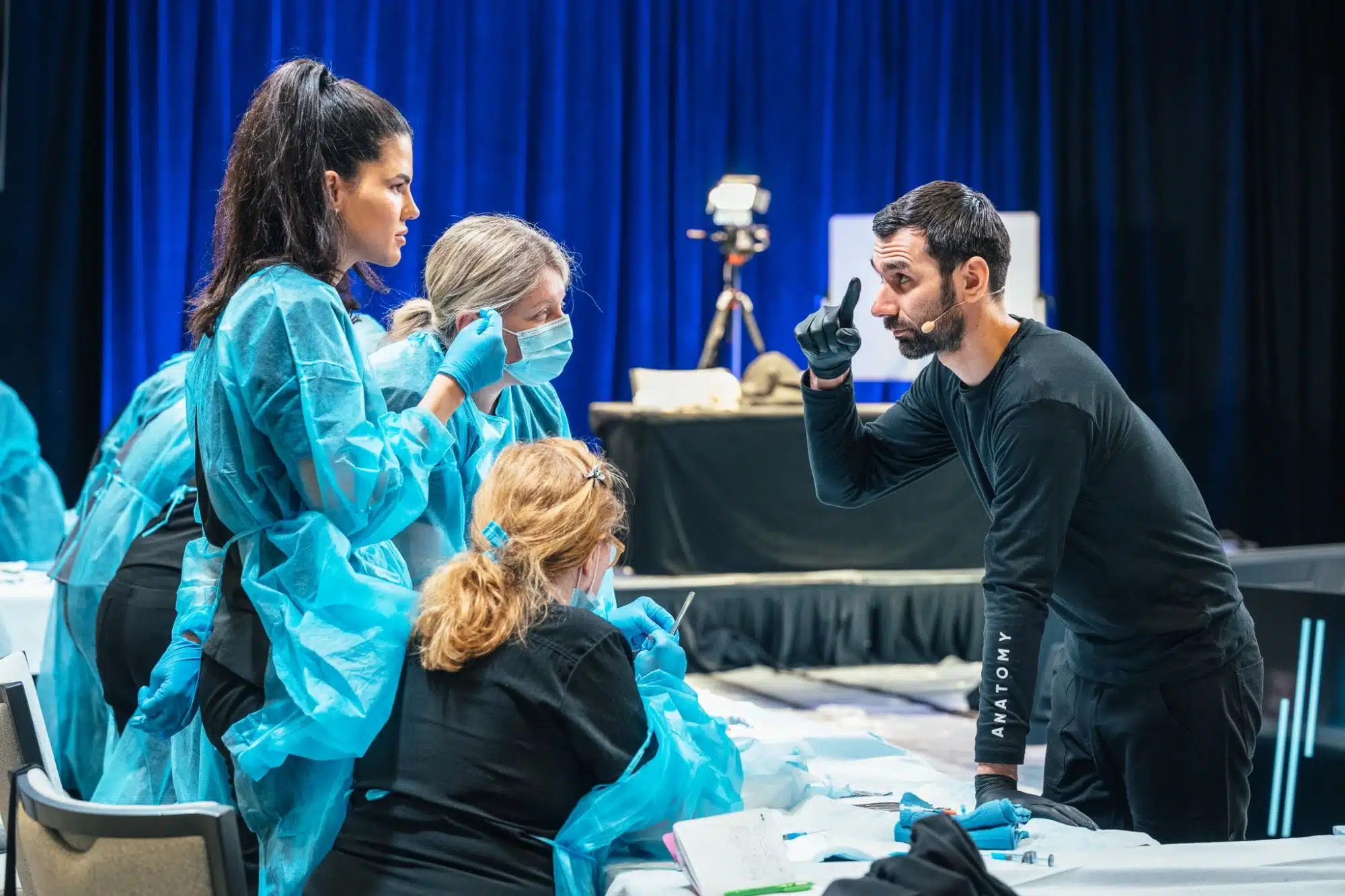
British Association of Medical Aesthetic Nurses (BAMAN) has announced the return of its flagship cadaveric anatomy programme this…

The Regenerative Aesthetics Multidisciplinary Conference & Exhibition (RAMCE) is set to return for a day full of dedicated regenerative…

Clinical-stage biotechnology company Absci has announced positive interim results from the Phase 1 HEADLINE™ clinical trial an investigational…