



Global Study Reveals What Really Drives Aesthetic Patients
A study published in the Aesthetic Surgery Journal found that confidence, self-expression and self-care – not simply the…

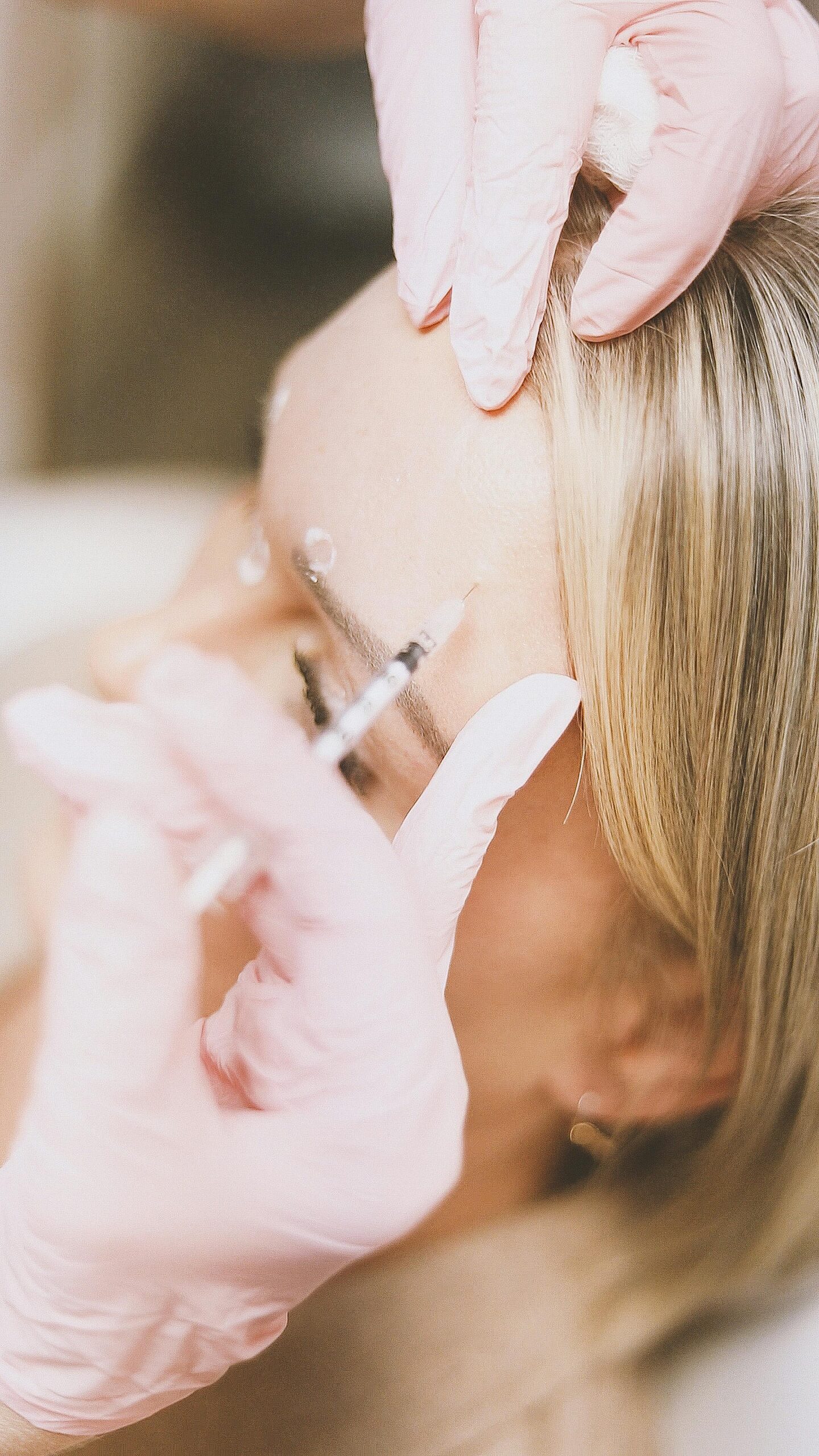
A new review published in the Journal of Clinical and Aesthetic Dermatology has examined the emerging role of hyperbaric oxygen therapy (HBOT) in the management of filler-induced vascular occlusion (FIVO).
The scoping review analysed 24 studies published between 2011 and 2025, including case reports, case series and experimental studies involving the use of HBOT alongside established FIVO treatments.
FIVO occurs when dermal filler compromises blood flow, either through intravascular injection or external compression, potentially leading to tissue necrosis, visual impairment or, in rare cases, stroke.
The paper was authored by an international group of clinicians and researchers, including Luisa V. Ramirez, Ebony P. Gayle and Miguel A. Aristizabal-Torres, with contributors from the Mayo Clinic, Eastern Virginia Medical School and other institutions in the United States and Colombia.
The authors noted that although dermal fillers are considered safe overall, growing global demand for minimally invasive aesthetic procedures has increased the importance of recognising and managing vascular complications quickly.
HBOT works by delivering 100% oxygen under increased atmospheric pressure to improve tissue oxygenation, reduce inflammation and support wound healing. Across the studies reviewed, HBOT was typically used as an adjunctive treatment alongside therapies including hyaluronidase, vasodilators, corticosteroids and antiplatelet agents.
However, the review found that treatment protocols varied significantly, with pressures ranging from 2.0 to 3.0 atmospheres absolute and sessions lasting between 60 and 120 minutes.
The authors concluded that while HBOT shows promise as an adjunctive intervention in selected FIVO cases, evidence remains limited to low-level observational data.
They called for prospective studies and standardised treatment protocols to better define the therapy’s efficacy, optimal timing and role within multimodal management strategies for filler complications.
Gain full access to peer-reviewed protocols, our extensive digital archive, and the Tri-annual print edition delivered to your clinic.
£
250
Per Year
Subscribe
Auto-renews annually. Cancel anytime.
Subscribe to our newsletter for the latest insights from the aesthetics industry.
Subscribe NowA study published in the Aesthetic Surgery Journal found that confidence, self-expression and self-care – not simply the…
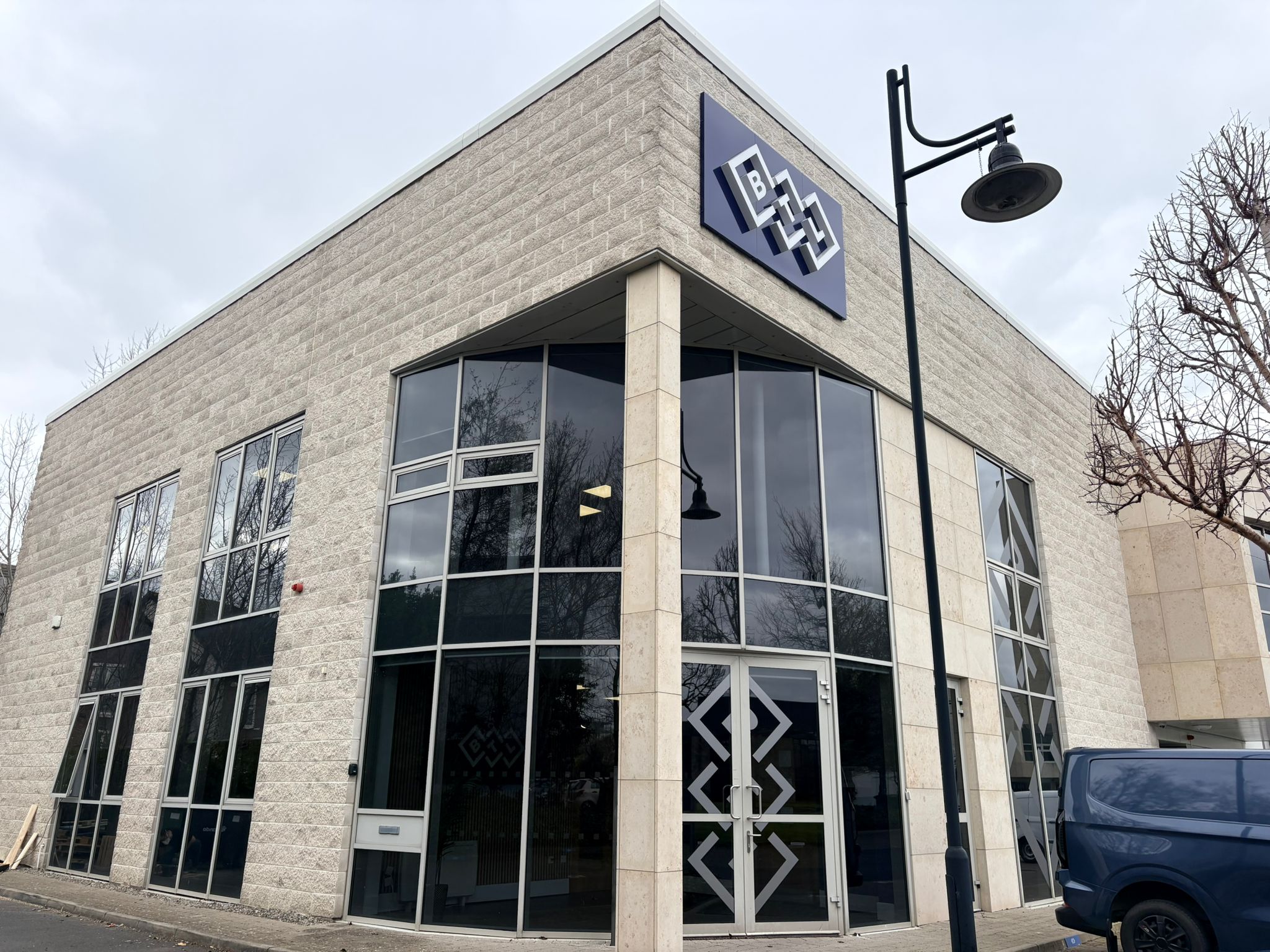
BTL Ireland has officially opened its new headquarters in Dublin, marking a significant investment in the company’s continued…
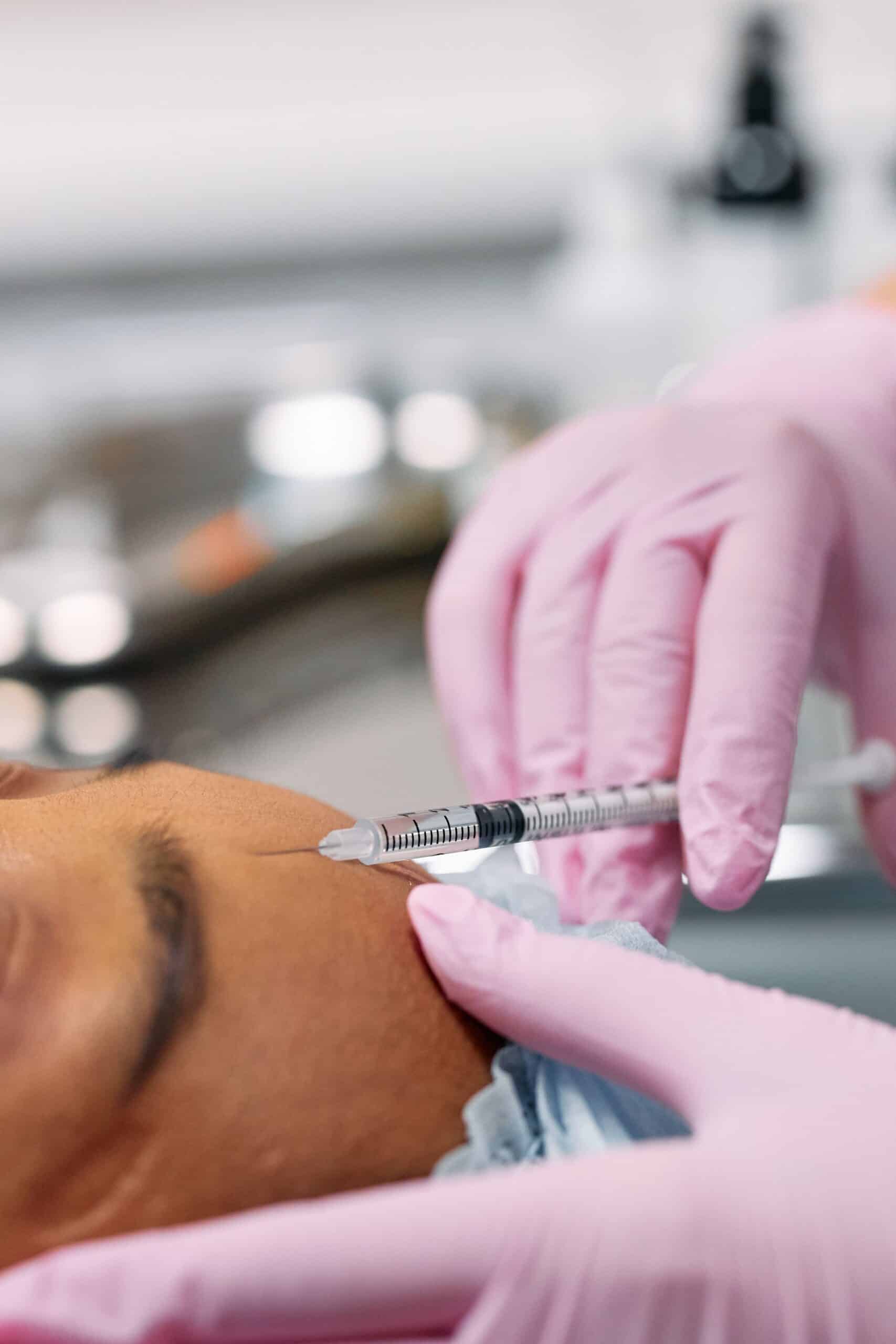
A new clinical governance initiative has been developed by ACE Group World to help enhance emergency preparedness in…

The British Association of Medical Aesthetic Nurses (BAMAN) has welcomed the UK Government’s Call for Evidence on proposals…

Skincare brand CellDerma has announced a new distribution partnership with Church Pharmacy, strengthening the brand’s presence across the…

Leading pharmaceutical company Allergan Aesthetics, an AbbVie company, has announced that they have received approval from the European…
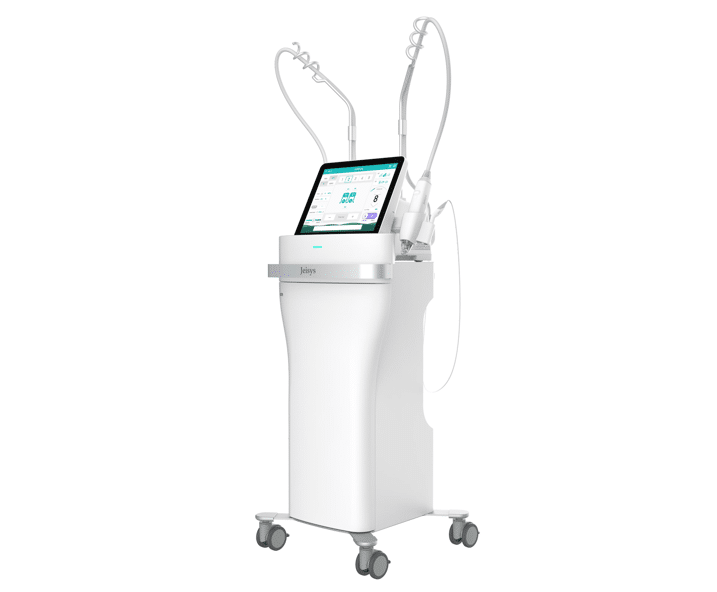
Leading Aesthetics distributor, Healthxchange, has been appointed the new UK and Ireland distributor for the Jeisys POTENZA Advanced…
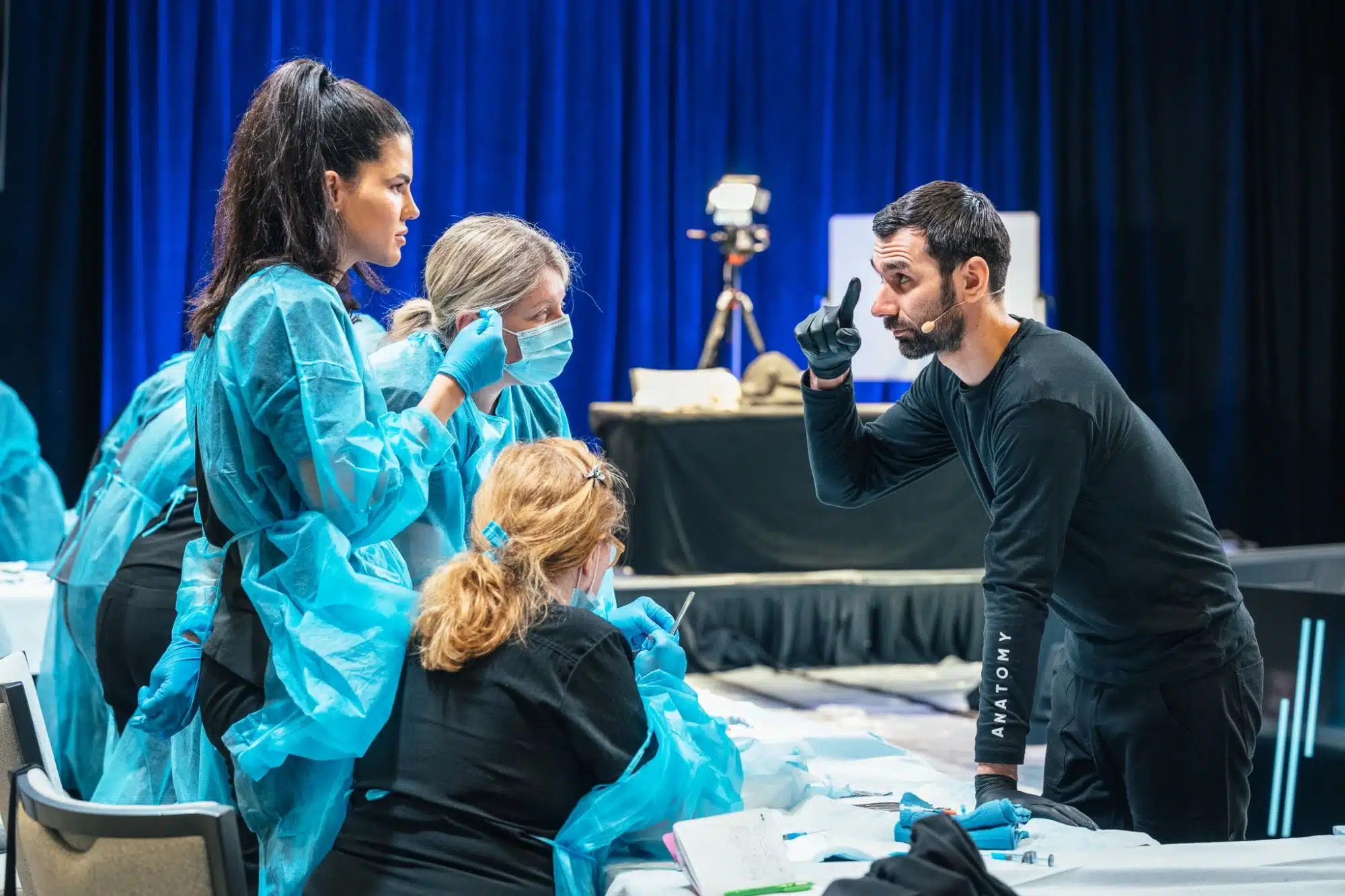
British Association of Medical Aesthetic Nurses (BAMAN) has announced the return of its flagship cadaveric anatomy programme this…

The Regenerative Aesthetics Multidisciplinary Conference & Exhibition (RAMCE) is set to return for a day full of dedicated regenerative…

Clinical-stage biotechnology company Absci has announced positive interim results from the Phase 1 HEADLINE™ clinical trial an investigational…